Why Queer Parents Excel: Unique Strengths in 2026
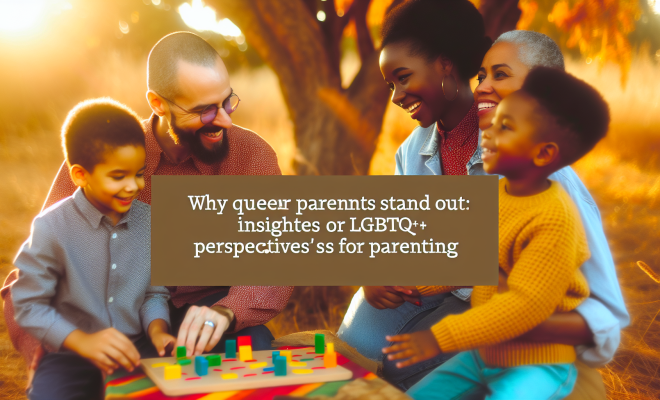
The conversation surrounding parenting often centers on the qualifications and capabilities of parents, raising the question: Are queer parents inherently better than their heterosexual counterparts? In a thought-provoking article published on March 13, 2026, perspectives from Marc DeBrito, a gay student at the University of Connecticut, and Isabella Kulawik delve into this very topic. Their arguments present a compelling case for why queer parents may offer unique advantages when it comes to raising children.
Intentional Parenting: The Journey of Queer Families
One of the key points raised by DeBrito is the level of preparedness that queer parents often demonstrate. He explains that the pathways to parenthood for same-sex couples usually involve lengthy and often challenging processes such as surrogacy or in vitro fertilization (IVF). These methods require considerable planning, emotional investment, and financial resources, suggesting a higher degree of intentionality in their decisions to become parents.
In contrast, heterosexual couples may sometimes experience unplanned pregnancies, leading to a parenting journey that is less meticulously thought out. This difference in approach can significantly impact how children are raised. DeBrito argues that the intentionality of queer parents fosters a nurturing environment where children are welcomed into a home filled with love and care, rather than being born into a situation that may not have been fully prepared for their arrival.
Breaking Down Barriers: Addressing Single-Parent Concerns
Another important aspect that DeBrito addresses is the stereotype surrounding single-parent households. Many people incorrectly associate single-parent families with instability or lack of support. However, he emphasizes that queer parents, often facing societal challenges, cultivate strong support networks that can compensate for the absence of a traditional family structure. These networks may include friends, extended family, and community resources that provide emotional and practical support.
- Community Support: Queer parents frequently rely on a broader community network, creating a web of support that enriches their children’s lives.
- Resilience: The challenges faced by queer families often lead to greater resilience, equipping children with the ability to navigate adversity.
- Diversity: Growing up in a queer household can promote an appreciation for diversity, empathy, and acceptance in children.
Love Knows No Bounds
DeBrito highlights a crucial factor: the capacity of queer parents to provide love and care to children in need. Many queer couples actively seek out adoption or foster care as a means to build a family, often choosing to care for children who might otherwise remain in the system without a stable home. This eagerness to nurture and support children from various backgrounds can lead to a more profound understanding of love and acceptance.
Furthermore, Kulawik adds her voice to the discussion, asserting that the love and commitment demonstrated by queer parents can often surpass societal expectations. The struggles they face in becoming parents foster a deep appreciation for the opportunity to raise children, which translates into a loving, supportive environment.
Fostering Open-Mindedness
Growing up with queer parents can also foster open-mindedness in children. Exposure to diverse family structures and experiences can help children develop a broader worldview, encouraging them to embrace differences in others. This upbringing can lead to stronger interpersonal skills and a heightened ability to empathize with those from various backgrounds.
Challenging Stereotypes
The stereotypes surrounding queer parenting often stem from misunderstanding and misinformation. Both DeBrito and Kulawik advocate for a more nuanced and informed perspective on what it means to be a parent, regardless of sexual orientation. They argue that society needs to challenge preconceived notions about family dynamics and recognize the value that queer families bring to the table.
Moreover, research supports the idea that children raised in LGBTQ+ households fare just as well, if not better, than their peers in heterosexual households. Studies have shown that these children often exhibit higher levels of social competence, lower levels of behavioral problems, and overall healthy emotional development.
Conclusion: Embracing Diversity in Parenting
As the conversation around parenting continues to evolve, it is essential to acknowledge the unique perspectives and strengths that queer parents bring to the table. By recognizing the intentionality, resilience, and love that characterize many LGBTQ+ families, society can begin to break down stereotypes and embrace a more inclusive definition of family.
Ultimately, whether queer or straight, what matters most is the love, support, and commitment that parents provide to their children. In a world that is increasingly diverse, understanding and celebrating these differences will undoubtedly enrich the lives of future generations.