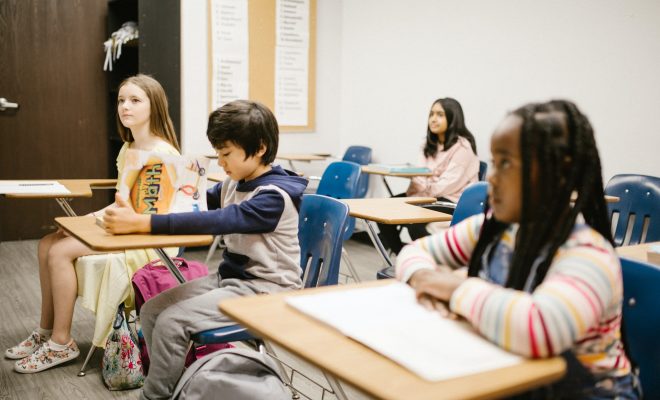
Teacher Planning for Next Year: Navigating Uncertainty in Education

Introduction: The Challenge of Educator Forecasting
In the realm of education, the ability to plan effectively for the upcoming academic year is crucial for both teachers and students. However, in recent times, educators have faced unprecedented challenges that make long-term planning increasingly difficult. Factors such as shifting educational policies, evolving student needs, and the lingering effects of global disruptions have created an environment of uncertainty that complicates the traditional planning process. This article explores the myriad factors contributing to this impossibility, the implications for teachers, and potential strategies to navigate such turbulent times.
Current Landscape: The Impact of Global Events on Education
The COVID-19 pandemic has been a primary catalyst for change in educational systems worldwide. As schools grappled with closures and remote learning, teachers were forced to adapt their instructional methods almost overnight. The quick transition to online platforms highlighted the disparities in access to technology and support among students, leading to a re-evaluation of how education is delivered.
In addition to the pandemic, ongoing social and political upheavals, including movements for racial justice and debates over educational content, have further complicated the landscape. These factors create a sense of instability that makes it difficult for teachers to predict what the next academic year will look like, raising questions about curriculum, assessment, and student engagement.
Policy Changes: Navigating Uncertainty in Educational Frameworks
The unpredictability of educational policies adds another layer of complexity to planning for the future. With frequent changes in guidelines regarding health protocols, remote learning mandates, and curriculum standards, teachers may find themselves in a state of flux.
For instance, as districts pivot between in-person and remote learning, educators must simultaneously prepare for multiple scenarios. This duality of planning can lead to a lack of focus, as teachers are stretched thin trying to accommodate various learning environments. The uncertainty of funding sources also plays a significant role, as budget cuts or reallocations can drastically affect resources available for the following year.
Student Needs: Addressing Diverse Challenges in the Classroom
The impact of external factors is not limited to teachers; it also profoundly affects students. The pandemic has exacerbated existing inequities, leading to a significant variation in student readiness and mental health. Teachers are now faced with the challenge of addressing a broader range of learning needs and emotional support requirements.
As they look to the next academic year, educators must consider:
Academic Gaps: Many students have experienced learning loss due to disrupted schooling. Teachers need to devise strategies to assess and address these gaps effectively.
Mental Health: The psychological toll of the pandemic has left many students struggling. Teachers must incorporate social-emotional learning into their planning to support students’ well-being.
Engagement: With varying levels of motivation and engagement, teachers must find innovative ways to connect with students and foster a positive learning environment.
Professional Development: The Need for Continuous Learning
In uncertain times, professional development becomes essential for teachers seeking to improve their practice and adapt to changing circumstances. However, the challenge lies in the availability and relevance of training programs.
Educators often find themselves overwhelmed with the day-to-day demands of teaching, leaving little time for professional growth. Moreover, the rapid pace of change in educational technology and pedagogy means that traditional professional development models may not be sufficient.
To navigate these challenges, schools and districts must prioritize ongoing support for teachers through:
Workshops: Offering targeted training sessions that focus on current issues facing educators, such as remote teaching techniques or culturally responsive pedagogy.
Collaborative Learning: Encouraging peer collaboration and sharing of best practices can foster a sense of community and collective problem-solving among educators.
Mentorship Programs: Pairing experienced teachers with novices can provide valuable insights and support as new educators navigate the complexities of the profession.
Flexibility: Reimagining Planning Approaches
Given the unpredictability of the current educational landscape, flexibility must be at the forefront of any planning process. Teachers may need to adopt a more agile approach, incorporating adaptive strategies that can be modified as circumstances change.
Some potential strategies include:
Modular Curriculum Design: Breaking down the curriculum into smaller, manageable units allows for easier adjustments based on student needs and current events.
Ongoing Assessment: Implementing formative assessment practices can help educators gauge student understanding in real-time, enabling them to adjust instruction as needed.
Technology Integration: Leveraging technology not only for instruction but also for communication and collaboration can enhance educational planning and execution, creating a more responsive learning environment.
Community Engagement: Involving parents and community members in the planning process fosters a sense of shared responsibility and support, creating a more robust educational framework.
Collaboration: Building Support Networks Among Educators
In an increasingly complex educational landscape, collaboration among educators can be a powerful tool for navigating uncertainty. Building support networks allows teachers to share experiences, strategies, and resources, creating a culture of collective resilience.
Professional Learning Communities (PLCs) can serve as a foundation for this collaborative approach. Within these communities, educators can engage in meaningful discussions about their practices, analyze student data, and develop shared goals. By pooling their expertise and insights, teachers can better address the diverse needs of their students and adapt to the ever-changing educational environment.
Additionally, cross-disciplinary collaboration can enhance the learning experience. By working together on integrated projects, teachers can create interdisciplinary learning opportunities that engage students in deeper, more meaningful ways. This approach not only enriches the curriculum but also fosters a sense of community among educators.
Mental Well-Being: Prioritizing Teacher Self-Care
Amidst the challenges of planning for an uncertain future, it is essential for educators to prioritize their mental well-being. The demands of teaching during tumultuous times can lead to burnout, stress, and feelings of inadequacy. Therefore, self-care should be a fundamental component of any planning process.
Schools and districts can support teachers by implementing initiatives that promote mental health and well-being, such as:
Wellness Programs: Offering resources and activities that encourage physical health, mindfulness, and stress reduction can help teachers manage their well-being.
Peer Support Groups: Creating safe spaces for educators to share their experiences and feelings can foster a sense of connection and belonging.
Work-Life Balance: Encouraging teachers to set boundaries and prioritize their time can help mitigate the overwhelming pressures of the profession.
By taking proactive steps to support teacher well-being, educational institutions can create a more sustainable environment that not only benefits educators but ultimately enhances student learning outcomes as well.
Innovative Solutions: Embracing Change and Technology
In the face of uncertainty, innovation can serve as a catalyst for positive change in education. Teachers are increasingly leveraging technology to enhance their teaching practices and create more adaptable learning environments.
For example, blended learning models that combine in-person and online instruction allow for greater flexibility and personalization. This approach enables educators to tailor their teaching methods to meet the diverse needs of their students while also preparing for potential disruptions.
Furthermore, utilizing educational technology tools can streamline administrative tasks, allowing teachers to focus more on instruction and less on paperwork. Tools such as learning management systems (LMS) can provide a centralized platform for communication, assessment, and resource sharing, simplifying the planning process.
As educators embrace these innovative solutions, they can create a more dynamic and responsive educational experience for their students, even in uncertain times.
Ultimately, the combination of collaboration, self-care, and innovation can empower educators to navigate the challenges of planning for the future, fostering resilience in both teachers and students.
Conclusion: Navigating Uncertainty in Education
The challenges of planning for the upcoming school year amid uncertainty have placed immense pressure on teachers, requiring them to adapt quickly and creatively. By embracing collaboration, prioritizing self-care, and leveraging innovative solutions, educators can foster resilience and navigate these unpredictable times effectively. Ultimately, supporting teachers in these endeavors not only enhances their well-being but also contributes positively to student outcomes, creating a more sustainable educational environment.