AI Marketing Strategies: Navigating the Creative Tsunami in 2026
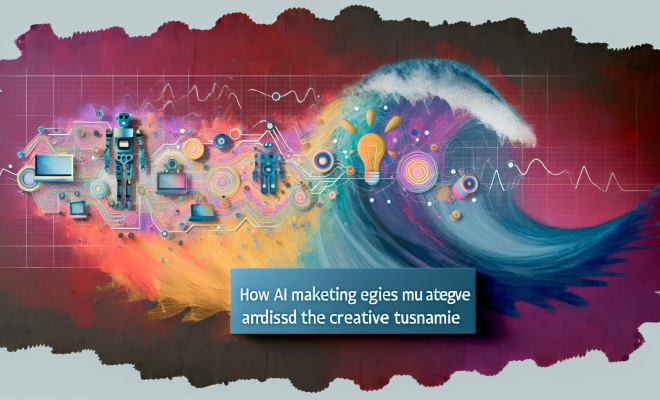
In the rapidly evolving landscape of digital marketing, the rise of artificial intelligence (AI) is creating a seismic shift that marketers must adapt to. Laura Desmond, a prominent voice in the industry and Chief Growth Officer at Smartly, recently highlighted this at an event in Miami on May 11, 2026. She posited that the overwhelming volume of AI-generated content is not only increasing but is also set to dwarf the already saturated content landscape of the internet. The call for a new creative system is more urgent than ever as marketers grapple with AI marketing strategies to manage this revolution.
The AI Content Explosion
Desmond’s warning about the impending “tsunami” of creative production is not to be taken lightly. As AI technology advances, the potential for generating content is growing exponentially. In her presentation, she pointed out that marketers face an unprecedented challenge: managing the thousand-fold increases in creative versioning and variation.
The sheer volume of content that can be produced by AI tools is staggering, which raises pivotal questions about how brands can keep pace. With traditional marketing strategies becoming increasingly ineffective in this new age, the demand for innovative management tools is palpable.
The Urgency of Adaptation
The sense of urgency surrounding AI marketing strategies is palpable. Many marketers are experiencing FOMO—fear of missing out—on the potential benefits of AI tools. As Desmond noted, many advertising professionals are sharing insights across social platforms, expressing concern about being left behind in this AI creative revolution. With billions of dollars in the advertising industry at stake, adapting quickly is no longer an option; it’s a necessity.
Understanding AI Marketing Strategies
To navigate this new terrain effectively, marketers need to embrace robust AI marketing strategies that incorporate AI-generated content into their workflow. Here are several key strategies that can help:
- Data-Driven Insights: Leveraging data analytics to inform creative direction and target audience segmentation.
- Dynamic Content Creation: Utilizing AI tools to generate personalized content across various platforms, ensuring relevance and engagement.
- Automation and Efficiency: Streamlining workflows to manage the high volume of content production and distribution effectively.
- Collaboration Tools: Implementing innovative technologies that facilitate team collaboration in the creative process.
Challenges in AI-Driven Content Management
While the potential of AI-generated content is vast, it also brings its own set of challenges. Marketers need to address the following aspects:
- Quality Control: Ensuring the content meets brand standards and resonates with the target audience is crucial, even when produced at scale.
- Ethics and Transparency: Maintaining ethical standards in AI-generated content is essential, particularly when it comes to authenticity and transparency with consumers.
- Integration and Compatibility: Seamlessly integrating AI tools within existing marketing ecosystems can be a roadblock for many organizations.
Innovative Management Tools for Marketers
To cope with the projected creative explosion, marketers must look toward innovative management tools. Desmond emphasized the need for solutions that can handle the overwhelming volume of AI-generated content. Here are some that can be considered:
- AI-Powered Analytics Platforms: Tools that provide real-time insights into content performance enable marketers to make data-driven decisions.
- Content Management Systems (CMS): Advanced CMS solutions that integrate AI capabilities can help streamline the content creation and distribution processes.
- Collaboration Software: Utilizing platforms that enable teams to collaborate effortlessly on creative projects is essential in managing the increased workload.
Building a New Creative System
Desmond’s call for a new creative system speaks to the need for a paradigm shift in how marketers approach content creation and management. This system must be agile, adaptable, and capable of evolving with technological advancements.
Marketers should consider the following steps to build a robust creative system:
- Foster a Culture of Innovation: Encouraging teams to experiment with AI tools and creative processes can yield valuable insights and breakthroughs.
- Invest in Training: Providing ongoing education and training in AI marketing strategies will empower teams to harness the full potential of these tools.
- Develop Partnerships: Collaborating with tech companies that specialize in AI can provide access to cutting-edge tools and resources.
The Future of Marketing in an AI World
As we look toward the future, the role of AI in marketing will only continue to grow. With the ability to produce vast amounts of content quickly, AI holds the promise to revolutionize the marketing landscape. However, this revolution demands that marketers adapt and innovate continuously.
Desmond’s insights serve as a clarion call for marketers to embrace this change. By developing comprehensive AI marketing strategies and establishing new creative systems, brands will be better positioned to thrive in an increasingly competitive and dynamic environment.
Conclusion
The importance of adapting to the AI-driven landscape cannot be overstated. As Laura Desmond warned, marketers must prepare for a tsunami of creative production. Embracing innovative AI marketing strategies will not only help manage this volume but also unlock new opportunities for engagement and creativity. The time for action is now, and those who take the lead in this AI creative revolution will undoubtedly find themselves at the forefront of the industry.