Empowering High Schoolers: 504 Plans for Anxiety
“`html
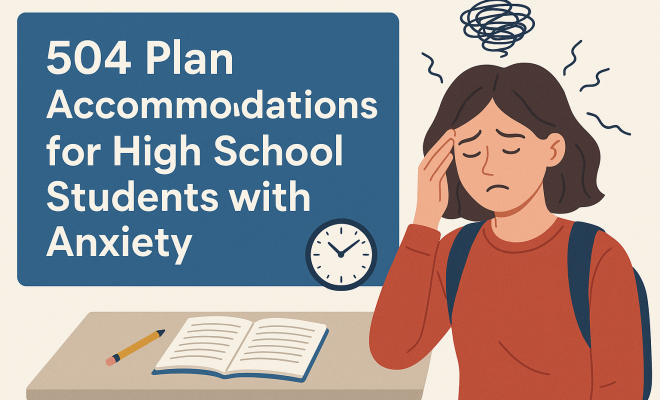
High school can be a challenging environment for many students, but for those grappling with anxiety, it can feel particularly overwhelming. Anxiety disorders affect millions of adolescents in the United States, significantly impacting their academic performance and social interactions. Recognizing the importance of supporting these students, schools have implemented various measures to help them succeed. One such measure is the 504 plan, which provides accommodations tailored to meet the specific needs of students with disabilities, including anxiety. This article will delve into the intricacies of 504 plan accommodations for anxiety, offering insights on their significance, practical implementations, and how they can make a tangible difference in students’ lives.
Understanding 504 Plans: A Brief Overview
The 504 plan derives its name from Section 504 of the Rehabilitation Act of 1973, which prohibits discrimination against individuals with disabilities in programs receiving federal funding, including public schools. This legislation ensures that students with disabilities have equal access to education and the necessary accommodations to thrive academically.
Unlike Individualized Education Programs (IEPs), which are often tailored for students with more significant learning disabilities, 504 plans focus on providing support for a broader range of disabilities, including mental health conditions like anxiety. To qualify for a 504 plan, a student must demonstrate that their anxiety significantly impairs their ability to learn or participate in school activities.
The Impact of Anxiety on High School Students
Anxiety disorders are among the most common mental health challenges faced by adolescents. According to the National Institute of Mental Health, approximately 31.9% of adolescents have an anxiety disorder at some point. The symptoms can manifest in various ways, including excessive worry, panic attacks, avoidance of social situations, and physical symptoms like nausea or headaches. These challenges can severely hinder a student’s academic performance, participation in extracurricular activities, and overall quality of life.
High school students with anxiety may experience difficulties with attendance, concentration, and social interactions. They might dread going to school and struggle to complete assignments, leading to a cycle of stress and underachievement. This is where 504 plan accommodations for anxiety can come into play, offering crucial support to help these students navigate their educational journey.
Key Features of 504 Plan Accommodations for Anxiety
When developing a 504 plan for a student with anxiety, it’s essential to consider a range of accommodations that address their specific needs. Here are some of the most common and effective accommodations:
- Flexible Scheduling: Allowing students to modify their class schedules can help reduce anxiety levels. For example, students might benefit from shorter days or more time between classes to decompress.
- Reduced Workload: Providing modifications such as fewer homework assignments or extended deadlines can alleviate pressure on students, allowing them to focus on understanding the material rather than simply meeting deadlines.
- Quiet Space for Breaks: Designating a safe, quiet area where students can go when feeling overwhelmed can be incredibly beneficial. This space offers them a chance to regroup and manage their anxiety without the stress of a bustling classroom.
- Testing Accommodations: Extended time on tests, the option to take exams in a separate, quieter environment, and alternative formats for assessments can help students manage anxiety during high-pressure situations.
- Supportive Environment: Teachers and staff can be trained to recognize anxiety symptoms and be equipped with strategies to assist students. Creating a supportive classroom environment where students feel comfortable expressing their needs is crucial.
The Process of Developing a 504 Plan
Creating a 504 plan involves a collaborative process that includes parents, teachers, school administrators, and, importantly, the student. Here’s a step-by-step approach to developing an effective plan:
- Identification: The first step is identifying the need for a 504 plan. Parents and teachers should observe the student’s behavior and performance, noting any signs of anxiety that impact their learning.
- Documentation: Collecting medical or psychological evaluations can help substantiate the student’s anxiety diagnosis. These documents should demonstrate how anxiety significantly limits the student’s ability to participate in the educational process.
- 504 Team Meeting: Once a need is established, a 504 team meeting should be scheduled, including key stakeholders like parents, teachers, school counselors, and administrators. The purpose of this meeting is to discuss the student’s needs, review documentation, and draft accommodations.
- Plan Development: Collaboratively, the team will outline specific accommodations tailored to the student’s needs. This may include one or more of the accommodations mentioned earlier.
- Implementation: After the plan is created, it’s essential that all teachers and staff involved are aware of the accommodations and are prepared to implement them consistently.
- Review and Adjustment: The 504 plan is not static; it should be reviewed regularly, and adjustments should be made as necessary to ensure it remains effective for the student.
Real-Life Examples of Effective Accommodations
Understanding how 504 plan accommodations for anxiety can be effectively implemented is crucial. Here are a few real-life scenarios that illustrate successful accommodations:
Scenario 1: Sarah is a high school junior who experiences severe anxiety during test-taking situations. After her 504 plan is established, she is allowed to take all tests in a separate, quiet room with extended time. This accommodation significantly reduces her anxiety, allowing her to perform better and achieve grades reflective of her knowledge and abilities. (See: CDC on children's anxiety disorders.)
Scenario 2: James, a freshman, struggles with anxiety that makes it difficult for him to participate in group projects. His 504 plan includes a modification allowing him to work independently on assignments and present his work individually rather than in front of the class. This adjustment has helped him build confidence and engage more with his classmates.
Scenario 3: Emily experiences anxiety attacks during the school day, particularly in crowded hallways. Her 504 plan includes a designated quiet area where she can go to decompress when feeling overwhelmed. Additionally, her schedule is adjusted to start classes later in the day to alleviate the stress of rush hour. This change has dramatically improved her overall experience at school.
Collaborating with Teachers and Staff
A successful 504 plan relies heavily on the cooperation and understanding of teachers and school staff. Here are a few best practices for fostering collaboration:
- Communication: Open lines of communication between parents, students, and teachers ensure everyone is on the same page regarding the student’s needs. Regular check-ins can be beneficial to assess how well the accommodations are working.
- Training and Awareness: Providing training sessions for teachers and staff on recognizing anxiety symptoms and implementing accommodations can enhance their ability to support students effectively.
- Inclusion in the Process: Including students in discussions about their needs and preferences promotes autonomy and empowers them to advocate for themselves.
- Feedback Mechanisms: Establishing a system for students to provide feedback on the effectiveness of their accommodations can help refine and improve the 504 plan over time.
Challenges in Implementing 504 Plans
While 504 plans offer vital support, challenges can arise during implementation. Here are some common obstacles:
- Lack of Understanding: Some educators may not fully understand the purpose of 504 plans or may have misconceptions about anxiety as a disability. This can lead to inadequate accommodations.
- Resource Constraints: Schools may face limitations in resources that could hinder the effective implementation of accommodations. This could include a lack of personnel to oversee and support students.
- Stigma: Students may feel stigmatized for having a 504 plan. It’s vital to create an inclusive environment where accommodations are normalized and understood.
- Inconsistent Application: If accommodations are not consistently applied across different classes or by various teachers, the effectiveness of the 504 plan can diminish.
The Role of Parents and Guardians
Parents and guardians play a crucial role in advocating for their child’s needs and ensuring effective implementation of their 504 plan. Here are some tips for parents to navigate this process:
- Educate Yourself: Understanding the ins and outs of 504 plans will empower you to advocate effectively for your child. Familiarize yourself with the rights and regulations surrounding these plans.
- Document Everything: Keep records of communications with teachers and school officials, as well as any documentation related to your child’s anxiety. This can be invaluable in case challenges arise.
- Stay Involved: Regularly check in with teachers and school staff to monitor your child’s progress and ensure accommodations are being implemented effectively.
- Advocate Respectfully: Approach discussions with educators and school administrators collaboratively. Expressing concerns respectfully can foster a positive dialogue.
Current Relevance and Future Implications
The importance of 504 plan accommodations for anxiety has gained significant attention in recent years, particularly as mental health awareness continues to rise. The COVID-19 pandemic highlighted the mental health crisis among adolescents, with increasing rates of anxiety and depression reported. Educational institutions are now more aware of the need to prioritize mental health, making accommodations for students with anxiety not just a legal obligation, but a moral imperative.
As we look to the future, integrating mental health education and awareness into the school curriculum can further enhance the support provided to students. Encouraging a culture of openness about mental health and providing resources for students and families can lead to healthier, more supportive educational environments.
Different Types of Accommodations for Anxiety
To ensure a supportive learning environment, schools can implement various types of accommodations that specifically target anxiety. Here are a few options:
- Visual Schedules: Providing visual schedules can help students predict their daily routines, reducing anxiety about transitions and unexpected changes.
- Calming Techniques Instruction: Teaching students mindfulness strategies or relaxation techniques can empower them to manage anxiety proactively. Simple techniques like deep breathing or progressive muscle relaxation can be introduced in the classroom.
- Peer Support Programs: Establishing buddy systems where students can support each other can foster a sense of community and reduce feelings of isolation. This can be particularly effective for students struggling with anxiety during social interactions.
- Parental Involvement in School Activities: Encouraging parents to participate in school events can help students feel more secure and supported, alleviating anxiety that arises from unfamiliar situations.
Statistics on Anxiety and Education
Understanding the scope of anxiety and its impact on education can help stakeholders advocate for necessary changes. Here are some compelling statistics:
- According to the Anxiety and Depression Association of America, anxiety disorders affect 40 million adults in the United States, with many developing symptoms in childhood or adolescence.
- Research indicates that only 50% of students with anxiety receive treatment, despite the availability of effective interventions.
- Studies show that students with anxiety are more likely to have lower GPAs, higher dropout rates, and increased absenteeism compared to their peers without anxiety disorders.
Expert Perspectives on 504 Plans and Anxiety
Voices from mental health professionals emphasize the importance of 504 plans in supporting students with anxiety. Dr. Emily Fischer, a clinical psychologist specializing in adolescent mental health, notes, “Anxiety is a significant barrier to learning, and providing accommodations helps students manage their symptoms while they pursue their education. It’s crucial that schools take these plans seriously and tailor them to each student’s needs.” (See: NIH resources on anxiety treatment.)
Additionally, school counselors stress that early intervention is key. “The sooner students receive the support they need, the better their long-term outcomes,” advises Mark Johnson, a school counselor with over 15 years of experience. This underscores the importance of 504 plans as proactive measures rather than reactive solutions.
Common Misconceptions About 504 Plans
There are several misconceptions surrounding 504 plans that can hinder their effectiveness:
- Misconception 1: 504 plans are only for students with severe disabilities. In reality, they serve a wide range of disabilities, including mental health conditions like anxiety.
- Misconception 2: Accommodations are the same for every student. Each 504 plan is tailored to the individual needs of the student, making it unique to their situation.
- Misconception 3: 504 plans are permanent. They require regular reviews and updates to ensure they continue to meet the student’s needs as they evolve.
Frequently Asked Questions (FAQ)
What qualifies a student for a 504 plan due to anxiety?
To qualify, a student’s anxiety must significantly limit their ability to learn or participate in school activities. Documentation from a healthcare professional is typically necessary to establish this need.
Can a 504 plan be modified over time?
Yes, 504 plans are designed to be flexible. They should be reviewed regularly to ensure they continue to provide the necessary support as the student’s needs change.
How can parents advocate for their child’s 504 plan?
Parents can advocate by being informed about their rights, maintaining open communication with school staff, documenting any concerns, and participating in meetings to discuss their child’s needs.
Are there any costs associated with a 504 plan?
There are no costs for the development of a 504 plan, as it is a legal requirement for schools to provide accommodations for eligible students at no charge.
What should I do if my child’s 504 plan is not being followed?
If a 504 plan is not being implemented, parents should first address the issue with the school, documenting all interactions. If necessary, they can request a formal meeting or seek assistance from a special education advocate.
Special Considerations for High School Student Transitions
As students progress through high school and approach graduation, the transition period can be particularly anxiety-inducing. Students may worry about college applications, standardized testing, and future career paths. Recognizing this, schools should consider additional accommodations during these critical times:
- Transition Planning: Establishing a transition plan that includes academic and emotional support can help ease anxiety. Engaging in activities like college visits or career counseling can provide clarity and reduce uncertainty.
- Individualized Counseling Sessions: Providing access to regular counseling sessions focused on transition-related anxiety can help students develop coping strategies tailored to their unique situations.
- Peer Mentorship Programs: Pairing students with upperclassmen or alumni who have successfully navigated similar transitions can offer guidance and reassurance, easing anxiety about the future.
Success Stories of Students with 504 Plans
Highlighting successful outcomes can provide hope and encourage schools to invest in effective accommodations for students with anxiety. Here are a couple of inspiring success stories:
Success Story 1: Alex, who faced debilitating anxiety throughout middle school, found relief through a comprehensive 504 plan that included testing accommodations and therapy sessions integrated into his school schedule. By the time he reached high school, Alex had not only improved his grades but also became a student leader, advocating for mental health resources for his peers.
Success Story 2: Mia experienced severe social anxiety that hindered her participation in class discussions. With the help of her 504 plan—which allowed for alternative modes of participation—she gradually built her confidence. By her senior year, Mia was comfortably presenting in front of her class and actively engaging in group activities, demonstrating the profound impact of tailored support.
The Importance of Mental Health Awareness in Schools
Creating an environment that prioritizes mental health can significantly benefit all students, not just those with anxiety. Schools can implement a variety of strategies to promote mental wellness:
- Awareness Campaigns: Organizing events and activities that promote mental health awareness can help destigmatize anxiety and encourage students to seek help when needed.
- Resource Availability: Ensuring that mental health resources, such as counseling services and informational materials, are easily accessible to students can foster a culture of support.
- Training for Staff: Providing training for all school staff—not just counselors—on mental health awareness can help create a more supportive environment for students.
The Path Forward: Future Directions for 504 Plans
Looking ahead, it’s essential for educators and policymakers to continue refining the 504 plan process to better accommodate students with anxiety. Some future directions could include:
- Increased Funding for Mental Health Resources: Allocating more resources towards mental health programs in schools can ensure that all students have access to the support they need.
- Data-Driven Approaches: Utilizing data to evaluate the effectiveness of accommodations and the overall mental health of students can lead to more informed decisions in developing 504 plans.
- Advocacy for Policy Changes: Advocating for policies that promote mental health awareness and integration into the curriculum can help create a more inclusive educational environment.
Conclusion
Navigating high school with anxiety is no easy feat, but 504 plan accommodations can pave the way for students to access the support they need. By understanding the intricacies of these accommodations, the collaborative process of creating them, and their real-life impacts, parents, educators, and students can work together to build a more inclusive and supportive educational experience. As we move forward, it’s crucial to continue advocating for mental health support within our schools, ensuring that all students can thrive academically and personally.
“`
Trending Now
Frequently Asked Questions
What is a 504 plan for students with anxiety?
A 504 plan is a formal document that outlines accommodations for students with disabilities, including anxiety disorders. It ensures that these students receive the necessary support to access education and participate in school activities without discrimination.
How do I know if my child qualifies for a 504 plan?
To qualify for a 504 plan, a student must demonstrate that their anxiety significantly impairs their ability to learn or participate in school activities. Schools typically require documentation from a healthcare professional to support the request.
What types of accommodations can be included in a 504 plan for anxiety?
Accommodations for anxiety may include extended time on tests, a quiet space for exams, flexible deadlines, or permission to use calming techniques during class. Each plan is tailored to meet the specific needs of the student.
How can a 504 plan help high school students with anxiety?
A 504 plan helps high school students with anxiety by providing necessary accommodations that reduce stress and promote a supportive learning environment. This can improve their academic performance and enhance social interactions.
What is the difference between a 504 plan and an IEP?
The main difference is that a 504 plan provides accommodations for a broader range of disabilities, including mental health conditions like anxiety, while an Individualized Education Program (IEP) is specifically designed for students with more significant learning disabilities.
What did we miss? Let us know in the comments and join the conversation.