Zero-Click Searches Soar to 68%: Impact on Businesses & Marketers
“`html
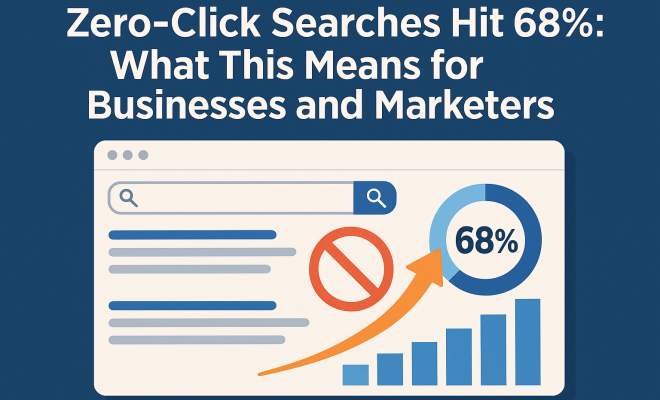
In the ever-evolving landscape of digital marketing, a new statistic has emerged that’s turning heads: zero-click searches now account for a staggering 68% of all search queries. This recent report highlights a pivotal shift in user behavior, indicating that a significant portion of search queries are now completed without users ever visiting a website. For businesses, publishers, and advertisers, this statistic raises critical questions about how to adapt in a world where Google’s search algorithms are continuously changing. In this article, we’ll dive into what zero-click searches mean, how they are reshaping search behavior, and the implications for various stakeholders in the digital space.
Understanding Zero-Click Searches
Zero-click searches occur when the answer to a query is provided directly on the search results page. This can include information pulled from featured snippets, knowledge panels, or even local business listings. For example, if you search for a restaurant’s hours or a quick fact, Google might present that information at the top of the results without requiring you to click through to another site. While this can enhance user experience by providing immediate answers, it poses significant challenges for businesses that rely on driving traffic to their websites.
The Rise of Zero-Click Searches
The increase in zero-click searches—from 65% to 68%—is reflective of broader trends in consumer behavior and technology adoption. As users become accustomed to finding answers quickly, often on their mobile devices, the demand for swift, concise information is at an all-time high. This trend is particularly pronounced in an age where voice search and AI-driven tools are becoming commonplace. With devices like Google Home or Siri providing answers aloud, users are less inclined to click through to traditional web pages.
The Impact on Referral Traffic
For businesses, the implications of a 68% zero-click search rate are profound. The traditional model of driving traffic to a website through organic search results is being disrupted. As fewer users click through to external sites, the referral traffic that many companies depend on is diminishing.
The effects are particularly concerning for publishers. Many rely on ad revenue generated from page views. As fewer people visit their sites because answers are provided directly in the search results, their revenue could dip significantly. In competitive industries where paid search ads are already saturating results, the stakes are even higher. Brands must adapt quickly to this new landscape to avoid losing their audience and revenue.
How Google Is Changing Its Search Experience
Google’s advancements in AI and machine learning are largely responsible for the rise of zero-click searches. As Google continues to enhance its algorithms, results are not just more accurate; they’re also more intuitive. AI-driven features like the Google Assistant are designed to provide users with instant answers, reducing the need for clicks altogether. This shift indicates a fundamental change in how Google views its role in the search ecosystem, moving from merely serving as a gateway to information, to becoming an active provider of that information.
Additionally, business profiles are becoming increasingly integrated into search results. When users search for specific businesses, they often see not just the website link but also reviews, hours of operation, and even photos—all without clicking through. This integration further solidifies Google’s role as a primary source of information, potentially sidelining many businesses.
Local Businesses at Risk
Local businesses, in particular, are navigating treacherous waters amid the rise of zero-click searches. With the integration of Google Maps and business profiles, users can find essential information—such as location and operating hours—without needing to visit a business’s website. While this can be beneficial in terms of visibility, it also means that local businesses must compete for attention in a landscape where visibility doesn’t translate to website traffic.
For instance, think about a local coffee shop. A user searching for “best coffee near me” may be presented with a snippet containing reviews, hours, and a map location. If the coffee shop is listed but users gain all the information they need without visiting the website, the shop misses out on potential website visits, online orders, and email sign-ups.
Publisher Challenges and Opportunities
Publishers are facing a unique set of challenges in the zero-click search environment. The struggle to attract clicks and maintain engagement is becoming increasingly difficult, leading many to reconsider their content strategies. Content that traditionally thrived on search engines may now be overlooked if it doesn’t align with the quick-answer format favored by AI algorithms. (See: Understanding zero-click searches.)
However, this isn’t all doom and gloom. Publishers can pivot to creating long-form content that offers deep insights, analysis, and entertainment, which may not be easily answered in a zero-click format. By positioning themselves as authorities in niche markets, publishers can still attract loyal audiences willing to engage with their content.
Strategies for Adapting to Zero-Click Searches
With the rise of zero-click searches, businesses must rethink their marketing strategies to adapt to this new reality. Here are several actionable strategies to consider:
- Optimize for Featured Snippets: Aim to structure content in a way that can easily be pulled into Google’s featured snippets. Use clear headings, bullet points, and concise answers to common questions.
- Leverage Local SEO: Ensure that local business profiles on Google are fully optimized with accurate information, engaging photos, and updated reviews to enhance visibility.
- Invest in Quality Content: Focus on creating high-quality, in-depth content that provides value beyond quick answers. This could include comprehensive guides, case studies, or resource lists.
- Utilize Social Media: Engage audiences through social media channels to drive traffic to your site, as these platforms can complement search efforts and create additional touchpoints for interaction.
- Explore Alternative Traffic Sources: Diversify online presence by investing in email marketing, influencer partnerships, and paid advertising to ensure steady traffic despite the decline from organic search.
The Role of Advertisers
Advertisers must also rethink their strategies in light of the prevalence of zero-click searches. With organic search traffic shrinking, paid ads become even more critical for visibility. However, businesses need to be smart about how they allocate their advertising budget.
Unlike traditional organic strategies, advertisers may need to focus on ensuring that their paid campaigns are not only visible but also compelling enough to encourage clicks. This could mean crafting more engaging ad copy, leveraging visually appealing images, or even using video to capture attention. Additionally, understanding user intent becomes crucial. Advertisers need to ensure that their messaging aligns with the needs of consumers at various stages of the buyer journey.
Future Outlook: What Lies Ahead?
The trajectory of zero-click searches indicates a trend that is likely to continue evolving. As AI technology improves, we can expect Google to further integrate more features into search results, offering even richer and more diverse information. This will have far-reaching implications for all players in the digital landscape.
While it may seem daunting, this shift presents an opportunity for businesses, publishers, and marketers to innovate and adapt. By embracing new content formats, optimizing for voice search, and focusing on engagement, stakeholders can still thrive, even as the rules of the game change. It’s essential to stay informed about search trends and consumer behavior, and to be willing to pivot strategies as the digital ecosystem evolves.
The Bottom Line
The rise of zero-click searches, now at 68%, is reshaping digital marketing in fundamental ways. Businesses and marketers must confront the reality that traditional traffic-driving tactics are losing effectiveness. Instead, adapting to a landscape where quick answers dominate will require creativity and strategic thinking. By embracing new opportunities while addressing challenges head-on, it’s possible to navigate this new terrain effectively. The future may hold uncertainties, but it also offers a chance to redefine how we engage with consumers in the digital age.
Understanding the Mechanics of Zero-Click Searches
To better understand zero-click searches, let’s break down how they actually function. Google’s algorithms utilize a variety of data sources, including structured data and entity recognition, to determine the most relevant answer to a user’s query. For instance, if you type in a question like “What is the capital of France?” Google’s algorithm quickly fetches this information from its extensive databases and displays it at the top of the search results. This process involves several layers of complexity, including natural language processing and semantic search, which allow Google to interpret the intent behind a user’s search.
Statistics and Trends in Zero-Click Searches
Research indicates that the trend of zero-click searches is not just a passing phase. According to a study by SparkToro, zero-click searches have increased significantly over the last few years. In fact, the share of searches resulting in no clicks has risen from around 50% just a few years ago. Furthermore, a survey conducted by SEMrush found that 62% of marketers believe that zero-click searches will dominate in the coming years. This statistic underlines the urgency for businesses to take zero-click searches seriously and to strategize accordingly.
Expert Perspectives on Zero-Click Searches
Industry experts have varying viewpoints on the rise of zero-click searches. David Mihm, an expert in local SEO, suggests that businesses should embrace the change and focus on enhancing their local presence. “If you’re not optimizing your Google My Business profile, you’re leaving money on the table,” he states, highlighting the importance of local SEO in this new landscape.
Conversely, Rand Fishkin, co-founder of Moz and SparkToro, emphasizes the risks involved. “Zero-click searches can erode brand awareness and diminish website traffic, which is essential for many businesses,” he warns. This perspective underscores the necessity for businesses to adapt by finding innovative ways to engage customers beyond simple search results. (See: Impact of zero-click searches.)
Examples of Zero-Click Searches in Action
To illustrate the impact of zero-click searches, consider the example of a user querying “weather in New York.” Instead of navigating to a weather website, the user receives an instant answer with the current temperature and forecast displayed directly on the search result page. This immediate access to information highlights how zero-click searches can simplify decision-making for users.
Another example is in the realm of recipe searches. When someone looks for “chocolate chip cookie recipe,” Google often displays a complete recipe in the search results, including ingredients and cooking instructions, without requiring the user to visit a food blog or website. This not only exemplifies the zero-click concept but also illustrates the potential loss of traffic for bloggers who traditionally relied on such searches to drive visitors to their sites.
How to Measure the Impact of Zero-Click Searches
Understanding the impact of zero-click searches on your business can be challenging. One effective way to measure it is through Google Search Console, which provides valuable insights into how your website is performing in search results. By tracking impressions and click-through rates, you can assess how often your content is appearing in zero-click scenarios and whether it’s affecting your overall traffic. Additionally, tools like Ahrefs and SEMrush can show you the keywords that are driving traffic and how many of those are resulting in zero-click searches.
Comparing Zero-Click Searches to Traditional Clicks
It’s essential to understand how zero-click searches compare to traditional clicks. Zero-click searches provide immediate answers but do not lead to website visits, which is a key metric for businesses focused on driving traffic. Traditional clicks, however, not only lead users to websites but also offer opportunities for deeper engagement, such as reading articles, making purchases, or signing up for newsletters.
For businesses, the trade-off is clear: while zero-click searches can enhance visibility, they do not guarantee the level of user interaction that is often necessary for conversion. Therefore, finding a balance between optimizing for zero-click searches and promoting click-through engagement is vital.
FAQs About Zero-Click Searches
What are zero-click searches?
Zero-click searches are search queries where the answer is displayed directly on the search results page without requiring users to click on any links. This includes information from featured snippets, knowledge panels, and local business listings.
Why are zero-click searches increasing?
The rise in zero-click searches is largely due to advancements in AI and machine learning, which allow search engines to provide immediate and accurate answers to user queries. Additionally, mobile device usage and voice search technology have contributed to this trend, as users seek quick information on-the-go.
How can businesses adapt to zero-click searches?
Businesses can adapt by optimizing for featured snippets, improving local SEO, creating high-quality content, and exploring alternative traffic sources like social media and email marketing. By diversifying their strategies, businesses can continue to engage their audience effectively.
Are zero-click searches harmful to businesses?
While zero-click searches can reduce website traffic, they can also enhance visibility and brand awareness. Businesses must find a balance by leveraging zero-click opportunities while also driving engagement through other channels.
What is the future of zero-click searches?
The future of zero-click searches is likely to see continued growth as technology improves. Businesses will need to innovate and adjust their strategies to remain competitive in this evolving landscape. (See: The rise of zero-click searches.)
Final Thoughts on Zero-Click Searches
Zero-click searches represent a fundamental shift in how information is consumed online. As this trend grows, businesses, publishers, and advertisers must adapt to a new reality where quick answers prevail. While challenges exist, opportunities abound for those willing to innovate and rethink their strategies. Staying informed and agile in response to these changes is essential for thriving in the digital marketing landscape.
Additional Strategies to Leverage Zero-Click Searches
Beyond basic optimizations, there are additional strategies businesses can implement to make the most of the zero-click search phenomenon.
- Create High-Quality Visual Content: Visuals are more likely to be featured in zero-click results. Infographics, images, and videos can capture attention and provide concise information. Consider producing video content that answers common questions and is likely to be pulled into snippets.
- Utilize Schema Markup: Schema markup helps search engines understand your content better. By using structured data, you can increase the chances of your content appearing in rich results and snippets that lead to zero-click searches.
- Engage in Q&A Platforms: Participate in forums and Q&A platforms like Quora or Reddit, where you can position your expertise. This can indirectly drive traffic to your site by establishing credibility and attracting interested users.
Industry Case Studies on Zero-Click Searches
Examining real-world cases can provide insight into how businesses are navigating zero-click searches. For example, recipe websites like Allrecipes have adapted by creating concise recipe cards that Google can pull into snippets. By focusing on structured content that directly answers common cooking questions, they’ve maintained their relevance.
Another case is the e-commerce giant Amazon, which utilizes zero-click searches effectively through its product listings that often appear in the knowledge panels. By providing essential product information directly in the search results, they keep users engaged and informed without needing them to click away.
Staying Ahead of the Curve
In a landscape where zero-click searches dominate, the key to success lies in adaptability. Businesses need to remain agile and ready to implement new strategies as search behaviors evolve. Regularly auditing your website for SEO effectiveness, analyzing performance metrics, and staying updated on industry trends are crucial steps to staying ahead.
Networking with industry peers and attending digital marketing conferences can also provide valuable insights into effective strategies for coping with the ongoing zero-click search trend. Participating in discussions, webinars, and online courses can equip businesses with the knowledge they need to thrive.
Conclusion: Embracing Change in a Zero-Click World
The shift toward zero-click searches is more than just a trend; it’s a fundamental change in how users interact with search engines. While it poses challenges, it also opens a door to innovative opportunities for businesses willing to adapt. By optimizing for visibility, enhancing engagement, and understanding consumer behavior, businesses can not only survive but thrive in this new digital landscape. Staying proactive and informed will be essential as we navigate the future of search and consumer engagement.
“`
Trending Now
- our breakdown of how social pragmatics role play can revolutionize middle school learning
- this guide on 7 reasons students with adhd struggle with pragmatic language skills
- this guide on understanding pragmatics challenges in english language learners: key insights for teachers
- read the full story
- our breakdown of unlocking language: the intricate dance of pragmatics, semantics, and syntax
Frequently Asked Questions
What are zero-click searches?
Zero-click searches occur when users receive answers directly on the search results page without clicking through to a website. This includes information from featured snippets, knowledge panels, or local listings, enhancing user experience but challenging businesses that rely on website traffic.
Why are zero-click searches increasing?
Zero-click searches have risen to 68% due to changing consumer behavior and technology adoption. Users prefer quick, concise answers, especially on mobile devices, and the prevalence of voice search and AI tools has further encouraged this trend.
How do zero-click searches affect businesses?
With 68% of searches being zero-click, businesses face significant challenges in driving traffic to their websites. This shift requires them to adapt their digital marketing strategies to maintain visibility and engagement in a landscape dominated by immediate answers.
What can businesses do about zero-click searches?
To address the rise of zero-click searches, businesses should optimize their content for featured snippets and local listings, ensuring that they provide valuable information directly within search results. Engaging with users through social media and other channels can also help maintain visibility.
What is the impact of zero-click searches on SEO?
Zero-click searches significantly impact SEO strategies as they shift focus from driving traffic to providing concise, relevant answers. Businesses must prioritize optimizing for search intent and enhancing their online presence to adapt to this evolving search landscape.
Have you experienced this yourself? We’d love to hear your story in the comments.