Youth Mental Health Crisis: 41% of Young Adults Face Severe Challenges
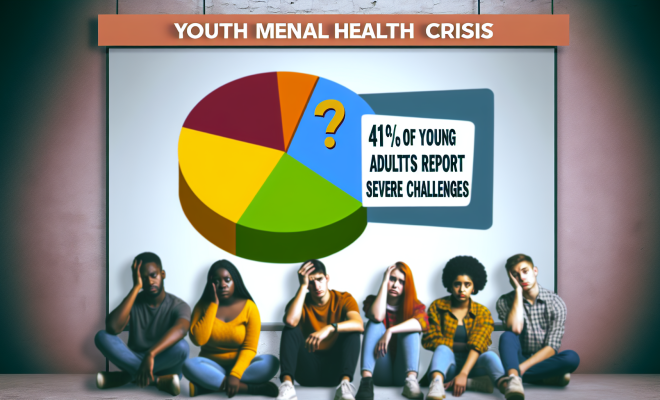
A recent global study conducted by Sapien Labs has uncovered alarming statistics regarding the mental health of young adults. The report, which analyzed data from over 1 million individuals across 84 countries, reveals that a staggering 41% of young adults aged 18 to 34 are currently facing what can be termed a ‘mind health crisis’. This crisis is significantly impairing their productivity and overall well-being, raising urgent calls for action.
Worsening Trends Since COVID-19
Lead author of the study, Tara Thiagarajan, highlighted that these troubling trends have worsened in the aftermath of the COVID-19 pandemic. Young adults have been particularly hard hit, with mental health challenges escalating compared to older generations worldwide. The pandemic has exacerbated feelings of isolation, anxiety, and depression, making it imperative to address the mental health needs of this vulnerable demographic.
Regional Disparities: A Glimmer of Hope in Sub-Saharan Africa
Interestingly, the study observed that sub-Saharan Africa exhibited better mental health outcomes among young adults compared to their counterparts in other regions. This improvement is thought to be linked to various factors, including later smartphone exposure and stronger spiritual connections prevalent in these communities. These factors may contribute to more resilient mental health, suggesting that cultural and environmental influences play a significant role in well-being.
Calls for Policy Changes
The findings of this study have led to urgent recommendations for policy changes aimed at improving the mental health of young adults. Among the proposed measures are:
- Smartphone Bans in Schools: To mitigate the negative effects of constant connectivity and social media pressure, a ban on smartphone use in educational settings is being recommended.
- Social Media Age Limits: Introducing age restrictions on social media platforms may help protect younger users from exposure to harmful content and the unrealistic standards often portrayed online.
- Research on Food Additives: The study estimates that ultra-processed foods contribute between 15% to 30% to the mental health burden, which highlights the need for further investigation into the impact of diet on mental well-being.
These policy changes could play a crucial role in addressing the mental health crisis among young adults and promoting healthier habits and environments.
The Economic Implications
Economist David Blanchflower has raised concerns regarding the economic implications of this mental health crisis. As this affected cohort enters the workforce, their struggles with productivity and mental health may pose significant risks to the economy. With a large percentage of young adults reporting severe challenges, there is a pressing need for employers and policymakers to consider mental health support as a critical component of workplace culture.
Conclusion: A Call to Action
The findings of the Sapien Labs report serve as a wake-up call for governments, educational institutions, and communities worldwide. The mental health crisis facing young adults must be addressed through comprehensive strategies that encompass policy changes, community support, and increased awareness of the factors influencing mental health. By prioritizing the mind health of young adults, societies can foster a healthier, more productive future generation.
As we navigate the complexities of modern life, it is essential to recognize the importance of mental well-being, particularly among our youth. Initiatives aimed at improving mental health can lead to not only personal but also societal benefits, creating a ripple effect that enhances overall quality of life.