Overtourism Protests 2026: Reshaping Europe’s Cities
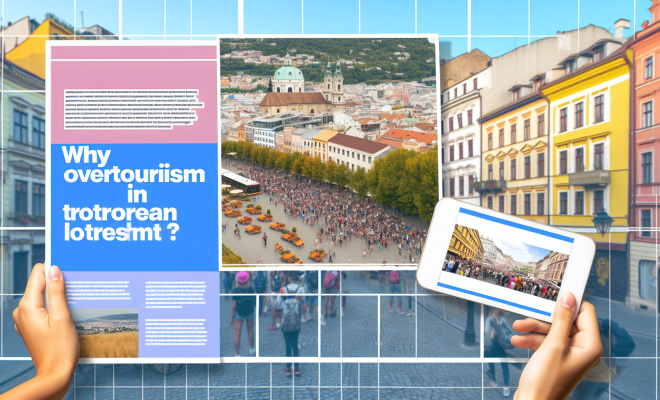
In 2026, Europe finds itself at a crossroads as overtourism protests surge across its major cities. Residents are increasingly vocal about the overwhelming influx of tourists that has reached alarming levels, prompting public demonstrations aimed at reclaiming their communities. As the strain on local infrastructure, housing, and services becomes more apparent, a significant conflict between tourism industries and local populations has emerged, igniting a fiery debate over the future of urban tourism.
The Rise of Overtourism
Overtourism refers to the phenomenon where a destination experiences a volume of visitors that exceeds its capacity to manage, leading to negative impacts on the local environment, economy, and quality of life. In recent years, popular urban destinations like Barcelona, Venice, and Amsterdam have become synonymous with overtourism as they grapple with millions of tourists flocking to their streets. With the COVID-19 pandemic providing a brief reprieve from mass tourism, the subsequent resurgence in travel has set the stage for a renewed crisis.
Statistics That Tell the Story
According to recent studies, cities like Barcelona have seen annual tourist numbers soar to over 30 million, significantly outpacing the city’s resident population of 1.6 million. Similar trends are observable in Venice, where the tourist-to-resident ratio has become an astonishing 25:1. These figures indicate a staggering strain on local resources, leading to the deterioration of residents’ quality of life.
Social Media and the Amplification of Local Voices
Social media has played a pivotal role in spreading awareness about the dire situation. Residents have taken to platforms like Twitter and Instagram to share their frustrations, using hashtags to document overcrowded landmarks and the impact of tourism on their daily lives. Images of bustling streets packed with tourists juxtaposed with empty community spaces resonate deeply, generating massive engagement online. This emotional connection fuels a sense of urgency for change, as locals rally around the cause.
Viral Movements and Community Action
In 2026, numerous grassroots movements have emerged in response to overtourism. Demonstrations have erupted in cities like Barcelona and Venice, where locals demand measures to limit tourist numbers and prioritize the needs of residents. The protests emphasize a shared sentiment: that the commercialization of their neighborhoods must not come at the cost of their culture and community. Events have been organized, such as the ‘Save Our City’ marches, attracting thousands of participants who chant slogans and carry signs advocating for sustainable tourism.
Conflicts with the Tourism Industry
These protests have sparked intense debates between local governments, tourism boards, and industry stakeholders. Proponents of tourism argue that it is a vital source of revenue and employment for cities. However, local residents counter that unchecked tourism growth leads to higher living costs, diminished quality of life, and loss of cultural identity.
Case Studies: Barcelona and Venice
In Barcelona, the city council has implemented measures to address overtourism, such as limiting the number of new hotel licenses and promoting tourist education. Despite these efforts, dissatisfaction among residents persists. The protests in 2026 have intensified calls for more robust regulations, reflecting a growing consensus that tourism must be reimagined.
Similarly, Venice’s unique challenges have prompted its citizens to take drastic measures, including proposals for an entrance fee for visitors. Locals argue that such fees could help manage tourist numbers while providing funds for maintaining the city’s heritage. However, the effectiveness of these measures is still under scrutiny.
Emotional Resonance of Protest
The emotional appeal of these protests extends beyond economic arguments. The struggle to maintain the intrinsic character of cities resonates with many, as locals fight against what they perceive as a commodification of their culture. Videos showcasing packed streets, where tourists outnumber residents, stir feelings of loss and nostalgia, further igniting public sentiment.
Media Coverage and Public Awareness
Major news outlets have seized upon the story, highlighting the protests as a critical moment in the ongoing conversation around sustainable tourism. The coverage has brought international attention to the issues facing these cities, prompting discussions about responsible travel among tourists. Activist groups have utilized this exposure to rally support globally, encouraging travelers to consider the implications of their choices on local communities.
Future Implications for Urban Tourism
As the overtourism protests in 2026 continue to unfold, the long-term implications for urban tourism are profound. The future could see a shift towards more sustainable travel practices that prioritize the well-being of local communities alongside visitor experiences. The dialogue initiated by these protests may lead to a reevaluation of tourism policies and practices across Europe.
Potential Solutions and Steps Forward
- Implementing Visitor Caps: Cities could establish limits on the number of tourists allowed in specific areas during peak seasons.
- Promoting Alternative Destinations: Encouraging tourists to explore less-visited areas could help distribute the economic benefits of tourism more evenly.
- Enhancing Local Engagement: Involving residents in tourism planning processes ensures their voices are heard and their needs prioritized.
- Encouraging Responsible Travel: Educating travelers about the impact of their visits can foster more respectful interactions with local communities.
Conclusion: A Call for Change
The ongoing overtourism protests of 2026 signal a critical juncture for European cities grappling with the challenges of mass tourism. As residents advocate for change, it is imperative for stakeholders in the tourism industry to listen and adapt to the evolving landscape. The events of this year could shape the future of tourism, creating a more balanced approach that honors both the needs of visitors and the integrity of local communities. Only time will tell if lasting change will emerge from this pivotal moment, but the voices of those who call these vibrant cities home are more determined than ever to be heard.