AI Social Media Trends 2026: The Future of Content Creation
“`html
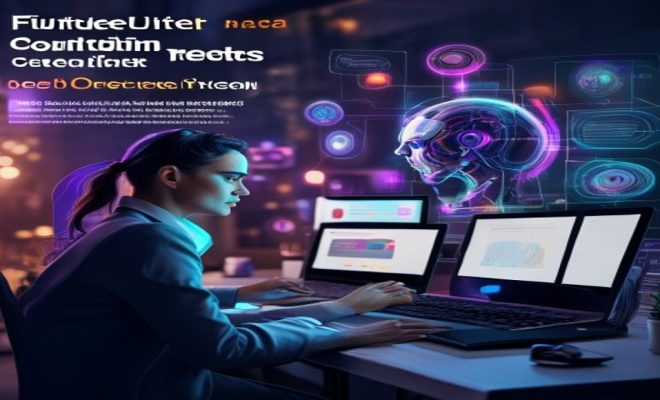
As we step into 2026, the landscape of social media is undergoing a seismic shift driven by artificial intelligence. The notion that AI could simply support content creation has evolved into something far more transformative. Now, AI functions as a full-fledged social media operator, capable of automating the entire content loop from start to finish. For creators looking to stay ahead, understanding the latest AI social media trends 2026 is crucial.
1. The Rise of AI as a Content Operator
In 2026, AI has grown from being a mere writing assistant to an essential player in content creation. It’s not just about generating text; AI now drafts posts, creates videos, adapts content to different platforms, schedules publications, and analyzes performance metrics. This shift means that creators can now hand off most of their workflow to AI, allowing them to focus more on strategy and less on the nitty-gritty of content production.
This advancement represents a significant change in how content is produced and managed. What once required an entire team of writers, editors, and social media managers can now be accomplished with a few clicks. The efficiency and speed that AI brings are staggering, but they also come with critical questions about authenticity and the human touch in creative processes.
2. Automation vs. Human Judgment
While the automation capabilities of AI can handle about 90% of the content creation process, it’s crucial for creators to maintain human oversight for critical decisions. This idea of “automation without judgment” has surfaced as a controversial topic among creators. Many fear that relying too heavily on AI could lead to a loss of their unique voice and authenticity, which are key components in building a personal brand.
The debate around this topic is intense. Some creators argue that AI can never replicate the emotional depth and nuance of human creativity. Others see it as an invaluable tool that can enhance their creative expression. This ongoing discussion is causing waves in online forums, social media discussions, and creator communities, emphasizing the need for a balanced approach where automation complements rather than replaces human creativity.
3. The ‘Create Once, Publish Everywhere’ Strategy
Another significant trend gaining traction is the “create once, publish everywhere” approach. This strategy allows creators to generate content once and distribute it across multiple platforms with minimal additional effort. AI plays a critical role here, automatically adapting the content to fit the specifications and audiences of various social media channels.
This method not only saves time but also maximizes the reach of each piece of content. As creators increasingly adopt this strategy, they can enhance their visibility and engagement without falling into the burnout that often accompanies constant content creation. It’s a smart way to leverage AI tools while still keeping a hand in the creative process.
4. Fostering Engagement Through AI
In 2026, engagement is not just a buzzword; it’s a necessity for social media success. AI tools are now equipped with sophisticated algorithms that analyze audience behavior and engagement patterns. These insights enable creators to optimize their content for maximum reach and impact. By understanding what their audience wants, creators can tailor their strategies and produce work that resonates deeply. See also AI tools for educators.
This shift toward data-driven decision-making is empowering for creators. They can utilize AI to identify trending topics, optimal posting times, and content types that generate the most engagement. The challenge, however, will be ensuring that this data-driven approach doesn’t dilute their creative instincts. Balancing analytics with authentic expression will be key in standing out in an increasingly crowded digital space.
5. Concerns About Authenticity
With AI taking such a central role in the content creation process, concerns about authenticity are on the rise. Can AI-generated content truly reflect the personal experiences, values, and emotions that resonate with audiences? Many creators worry that the rise of AI could lead to a homogenization of content, where everything starts to sound and look the same. (See: AI's impact on content creation.)
This concern is valid. As more creators adopt AI tools, the potential for widespread sameness increases, making it even harder to stand out. To combat this, creators must find ways to infuse their unique perspectives and personalities into their AI-generated content. This might involve using AI for the heavy lifting but ensuring that the final output still embodies their voice, style, and essence.
6. AI as a Tool, Not a Replacement
Successfully navigating the landscape of AI social media trends 2026 means recognizing AI as a powerful tool rather than a replacement for human creativity. Many creators initially viewed AI with skepticism, fearing it would lead to job loss or loss of individuality. However, as the technology has evolved, so too has the understanding that AI can enhance creativity.
By using AI to automate repetitive tasks, creators can reclaim valuable time that can be spent on innovative brainstorming, collaboration, and exploring new content formats. The focus should be on leveraging AI to handle routine tasks while dedicating human effort toward creative exploration and emotional storytelling. The combination of both offers the best of both worlds.
7. The Democratization of Content Creation
One positive aspect of the rise of AI tools is the democratization of content creation. In 2026, even those without extensive technical skills or resources can produce high-quality content. AI platforms and applications offer user-friendly interfaces that allow a broader range of individuals to express themselves and share their stories.
This shift could lead to a more diverse range of voices and perspectives in the digital landscape. With barriers to entry reduced, we might see fresh ideas and innovative content that reflect a broader array of experiences. Creators from all backgrounds can harness the power of AI to amplify their messages, breaking through traditional media silos.
8. The Future of Creativity in Social Media
As we look ahead, the relationship between AI and creativity will continue to evolve. The AI social media trends 2026 point toward a future where human creativity and AI capabilities coexist. Creators will need to adapt and embrace these technological changes while staying true to their unique voices.
Ultimately, the future of creativity in social media will hinge on the ability of creators to strike a balance. Those who can effectively use AI to enhance their content while maintaining authenticity will likely thrive in this new landscape. The coming years promise to be an exciting time for innovation and expression in the digital realm. Embracing these trends is not just about keeping up; it’s about leading the charge into a new era of content creation.
9. Expert Insights on AI Integration in Social Media
The insights from industry experts are crucial in understanding the implications of AI in social media. Renowned digital strategist, Claire L. Johnson, emphasizes the transformative journey that AI is undertaking. “AI isn’t just a tool; it’s becoming a partner for creators. The successful ones will be those who embrace this partnership while retaining their personal touch,” she states. This perspective highlights the ongoing dialogue about AI’s role in elevating, rather than overshadowing, human creativity.
Similarly, tech entrepreneur and AI advocate, Dr. Mark H. Lee, notes that “we’re witnessing a revolution in how brands connect with consumers.” He points to the ability of AI to analyze consumer data, allowing brands to tailor their messages more precisely than ever before. “This means that authenticity is more important than ever. Brands must ensure their AI-generated content resonates with their core values or risk alienating their audience.” These insights serve as a reminder that while technology evolves, the essence of meaningful connection remains paramount.
10. AI in Crisis Management and Brand Reputation
As brands navigate public relations challenges, AI is playing an increasingly pivotal role in crisis management. In 2026, AI tools are capable of monitoring social media in real-time, providing insights into public sentiment and potential issues before they escalate. This proactive approach allows brands to respond quickly and effectively, preserving their reputation in the digital world.
For instance, a notable case involved a popular beverage brand that faced backlash due to a controversial marketing campaign. Utilizing AI, the brand monitored social media discussions and sentiment in real-time. They were able to quickly pivot their messaging and engage directly with consumers to clarify their intent, effectively diffusing the situation. This scenario underscores the importance of integrating AI into crisis management strategies and leveraging its capabilities to maintain brand integrity. (See: Automation in creative processes.)
11. Statistics on AI and Social Media Growth
Statistics reveal the extensive impact AI is having on social media. According to a 2025 report by the Digital Marketing Institute, 75% of marketers believe AI tools have improved their content distribution strategies. Moreover, a staggering 85% of businesses using AI for social media analytics report enhanced engagement rates. These figures highlight how essential AI has become in the digital landscape.
Furthermore, a 2026 survey from Social Media Today indicates that 60% of users prefer interacting with brands that utilize AI-driven personalized content. This preference underscores the growing expectation among consumers for tailored experiences, making it imperative for brands to adapt their strategies accordingly.
12. Comparative Analysis: Traditional vs. AI-Driven Content Strategies
To grasp the full scope of AI’s impact, it’s worth comparing traditional content strategies with AI-driven approaches. Traditional methods often rely on manual scheduling, audience analysis, and content creation, which can be time-consuming and labor-intensive. For example, a social media manager might spend hours curating posts, analyzing engagement, and tweaking strategies based on feedback.
In contrast, an AI-driven strategy automates many of these processes. Content can be generated, scheduled, and analyzed in a fraction of the time, freeing up creators to focus on high-level strategy and creative vision. For instance, AI tools can quickly analyze thousands of data points to determine the most effective posting times and content types. This efficiency not only enhances productivity but also leads to improved audience engagement.
13. FAQ Section on AI Social Media Trends 2026
What are the main AI social media trends for 2026?
The main trends include AI as a full content operator, automation versus human judgment, enhanced audience engagement through data analysis, and the “create once, publish everywhere” strategy. Creators will also need to navigate concerns around authenticity and ensure that AI enhances rather than replaces their unique voices.
How is AI changing content creation?
AI is streamlining the content creation process by automating tasks such as drafting, scheduling, and analytics. This allows creators to spend more time on strategic thinking and innovative content development, as AI handles the more tedious aspects of production.
Can AI-generated content be authentic?
While AI can produce high-quality content, authenticity remains a challenge. Creators are encouraged to use AI tools as a support mechanism while ensuring that the final output reflects their personal style, values, and emotional depth.
What role does AI play in audience engagement?
AI tools analyze audience behavior and engagement patterns, helping creators understand what resonates with their followers. By utilizing these insights, creators can tailor their content strategies to improve engagement and reach.
Is AI a threat to content creators?
While some creators fear that AI may lead to job losses, the reality is that AI can serve as a valuable tool that enhances creativity. By automating repetitive tasks, creators can refocus their energies on innovation and storytelling, ultimately enriching their content creation process.
How can brands effectively integrate AI into their social media strategies?
Brands can integrate AI by using it for content creation, audience analysis, and crisis management. It’s essential to adopt a balanced approach, ensuring that AI tools complement human creativity rather than overshadowing it. Emphasizing authenticity in AI-generated content will also help maintain brand integrity. (See: The future of AI in social media.)
14. The Role of Ethics in AI-Driven Social Media
As AI continues to integrate into social media strategies, ethical considerations are becoming increasingly important. Issues such as data privacy, algorithmic bias, and the potential for misinformation need to be addressed by both creators and brands. Consumers are more aware than ever of the implications of sharing their data, and they expect transparency in how their information is used. Organizations must prioritize ethical practices in their AI applications to build trust with their audiences.
For example, companies are beginning to implement data privacy protocols that ensure user information is handled responsibly. Additionally, brands are encouraged to be transparent about how AI is used in content creation and audience analysis to prevent miscommunication and misunderstandings. Ethical marketing not only protects consumers but also enhances a brand’s reputation.
15. Future Technological Innovations in AI and Social Media
Looking ahead, we can expect to see exciting technological innovations that will further change the landscape of social media. Emerging technologies such as augmented reality (AR) and virtual reality (VR) are already being integrated with AI to create immersive experiences for users. In 2026, these technologies will likely become more mainstream, offering creators new ways to engage their audiences.
For instance, AI-driven AR filters and effects can be used in real-time video creation, allowing brands to present products in a more interactive way. This not only captures attention but also encourages user interaction. Similarly, VR environments for social media could redefine how we share and consume content, creating a new level of engagement and storytelling.
As AI evolves, the tools available to content creators will expand, offering endless possibilities for innovation and creativity. The key will be to remain adaptable, continually testing and embracing these new tools to find the best ways to resonate with audiences.
16. Global Perspectives on AI and Social Media Trends
The impact of AI on social media is not uniform across the globe. Different regions are adopting AI technologies at varying rates, influenced by cultural norms, regulatory environments, and technological infrastructure. For example, in North America and Europe, there is a strong focus on ethics and data privacy, guiding how AI is implemented in social media strategies. Conversely, regions like Asia, particularly in countries like China, are at the forefront of AI innovation, leveraging advanced technologies for rapid growth in social media engagement.
Understanding these global perspectives is crucial for brands looking to expand their reach. Tailoring strategies to fit the cultural context of each market can enhance relevance and effectiveness. By recognizing the diverse ways that AI is perceived and utilized around the world, brands can better connect with their audiences and navigate the complexities of global social media landscapes.
“`
Trending Now
Frequently Asked Questions
What are the latest AI trends in social media for 2026?
In 2026, AI has evolved to operate as a full-fledged content creator, automating tasks such as drafting posts, creating videos, scheduling, and analyzing performance. This shift allows creators to focus more on strategy while AI manages the workflow, significantly changing how content is produced and managed.
How is AI changing content creation?
AI is transforming content creation by taking over the entire process, from generating text to analyzing metrics. This automation enhances efficiency, allowing creators to streamline their workflow and focus on strategic aspects rather than the technical details of production.
What are the risks of using AI in content creation?
While AI can handle most content creation tasks, there are risks such as loss of authenticity and unique voice. Creators must maintain human oversight to ensure that their emotional depth and personal branding remain intact in the automated content.
Can AI replace human creativity in social media?
Many argue that AI cannot replicate the emotional nuance of human creativity. While AI can enhance content production, it lacks the personal touch that is essential for building a strong personal brand and connecting with audiences on a deeper level.
What should creators focus on with AI in content creation?
Creators should focus on strategic decision-making and maintaining their unique voice while leveraging AI for automation. Balancing the efficiency AI offers with human creativity is crucial for successful content creation in the evolving social media landscape.
What did we miss? Let us know in the comments and join the conversation.