Why 87% of Kids Now Use AI Daily — The Impact on Education
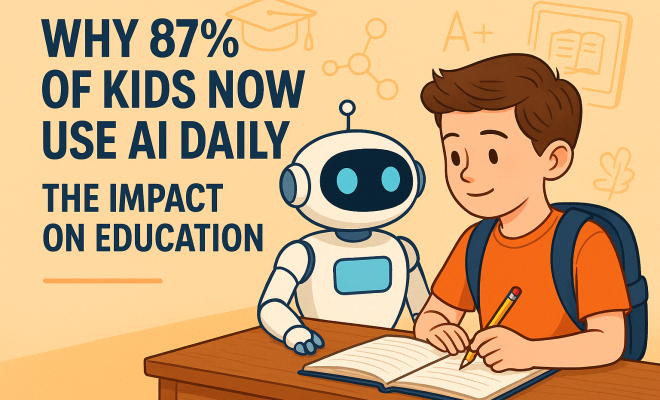
As artificial intelligence (AI) continues to weave itself into the fabric of our daily lives, its presence is increasingly felt among children. A recent study highlights that a staggering 87% of American children aged 3 to 12 now have access to AI-powered devices, with nearly half of them utilizing these tools on a daily basis. This rapid integration raises critical questions about how artificial intelligence in education is shaping the future of learning and whether schools are adequately preparing students for a world dominated by AI.
AI’s Growing Presence in Children’s Lives
The surge of generative AI is not an abstract concept for most kids; it is a daily reality. With voice assistants, smart devices, and even social robots becoming commonplace, children are growing up in an environment where AI is not just a tool but a companion in their learning journey. From homework help to interactive learning games, AI offers various educational benefits that engage young learners in unprecedented ways.
Understanding the Daily Interactions with AI
According to the study, children are interacting with various AI technologies in their routines:
- Voice Assistants: Devices like Amazon’s Alexa or Google Assistant are frequently used for answering questions, playing music, and setting reminders.
- Smartphones: AI-driven applications assist children with tasks ranging from learning new languages to enhancing their creativity through digital art.
- Social Robots: These robots provide companionship and educational interactions, reinforcing concepts learned in school.
- AI-Generated Content: Children consume and create content generated by AI, from stories to educational materials, fostering creativity and critical thinking.
This exposure not only makes learning more interactive but also helps children develop essential skills for the future.
The Debate Over AI in Education
While the incorporation of AI in daily life presents numerous opportunities, it also brings forth a high-anxiety debate about the implications of this technology on child development. Educators and parents alike must grapple with whether schools are adequately preparing children for an AI-saturated future or inadvertently exposing them to unknown developmental risks.
Challenges for Educators
As the demand for technology integration in classrooms rises, there is considerable pressure on educators. They must adjust their teaching strategies to incorporate artificial intelligence in education, which presents both opportunities and challenges:
- Teacher Training: Many educators find themselves unprepared to teach in an AI-enhanced environment. Continuous professional development focused on AI tools is essential.
- Curriculum Development: Schools must revamp curricula to include AI-related topics, ensuring students understand the implications of this technology.
- Addressing Equity: Not all students have equal access to AI tools at home, creating disparities in learning experiences that educators must address.
- Developmental Concerns: Experts warn that excessive reliance on AI could hinder social skills and emotional intelligence development among children.
These challenges highlight the urgent need for comprehensive strategies to effectively integrate AI into education.
Preparing for an AI-Driven Future
To navigate this rapidly changing landscape, schools and educators must prioritize adaptive teaching methods that leverage AI without compromising developmental integrity. This involves:
- Emphasizing Critical Thinking: As AI generates content and answers, fostering critical thinking skills is crucial for children to evaluate information effectively.
- Promoting Digital Literacy: Educators should teach students how to interact responsibly and ethically with AI technologies.
- Encouraging Collaboration: Group activities involving AI tools can help students develop teamwork and communication skills.
- Parental Involvement: Schools should engage parents by providing resources on how to use AI tools responsibly at home.
The integration of artificial intelligence in education also calls for a shift in the teaching workforce. Teachers, special education staff, and administrators must be equipped to embrace these changes, ensuring that they are not only facilitators of knowledge but also guides in navigating the complex landscape of AI.
Conclusion
The presence of artificial intelligence in the lives of children is not merely a trend but a profound shift that will influence future generations. As students increasingly rely on AI tools, it is crucial for educational institutions to adapt accordingly. By preparing educators, parents, and students for the challenges and opportunities that AI presents, we can ensure a balanced approach to learning that harnesses technology’s benefits while safeguarding children’s developmental needs.