Unveiling Earth’s Secrets: The Discovery of a Hidden Supervolcano
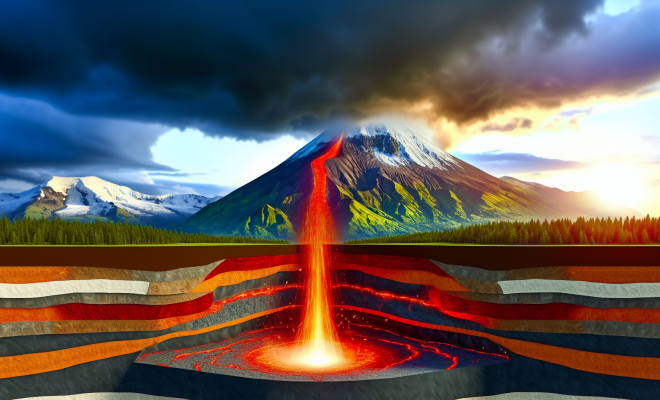
In a groundbreaking revelation that could reshape our understanding of volcanic activity and geological hazards, researchers have uncovered a previously hidden supervolcano. This significant discovery, reported on April 20, 2026, marks a pivotal moment in the field of volcanology, as it expands the known inventory of Earth’s volcanic systems and emphasizes the critical need for ongoing geological surveys.
The Importance of Supervolcanoes
Supervolcanoes are not your average volcanoes; they possess the potential to produce catastrophic eruptions that can have global consequences. When they erupt, they can release vast amounts of ash and gases into the atmosphere, leading to climate shifts, agricultural disruption, and even mass extinctions. Understanding these colossal geological formations is essential for assessing volcanic risks and preparing for potential disasters.
What is a Supervolcano?
A supervolcano is defined by its capacity to produce an eruption with a Volcanic Explosivity Index (VEI) of 8, which corresponds to an eruption that can eject more than 1,000 cubic kilometers of material. Notable examples include the Yellowstone Caldera in the United States and the Toba supervolcano in Indonesia. These features are characterized by their immense size, often spanning hundreds of kilometers, and typically form when a large volume of magma accumulates beneath the Earth’s crust.
Discovery Details
The recent discovery of the hidden supervolcano was the result of extensive geological surveys and advanced imaging techniques that allowed scientists to visualize the subsurface structure of the Earth with unprecedented clarity. This new supervolcano adds to the growing list of significant volcanic features that researchers are actively monitoring and mapping worldwide.
Methodology of Discovery
To uncover this hidden giant, researchers employed a combination of geological mapping, satellite imagery, and geophysical surveys. Techniques such as ground-penetrating radar and seismic imaging provided insights into the magma chambers and volcanic structures that were previously obscured from view. These methods are essential for identifying the potential hazards associated with hidden volcanic systems.
Implications of the Discovery
The identification of this supervolcano has far-reaching implications for our understanding of Earth’s geological processes and potential hazards:
- Enhanced Hazard Assessment: The discovery allows scientists to evaluate the risk of future eruptions and their potential impact on surrounding regions.
- Broadened Geological Understanding: By studying the characteristics of the hidden supervolcano, researchers can gain insights into the processes that lead to the formation and eruption of such massive systems.
- Global Monitoring Improvements: The discovery emphasizes the importance of continuous geological surveys and monitoring networks to detect and assess volcanic activity around the globe.
Geological Survey Significance
This finding underscores the critical need for ongoing geological surveys. The Earth’s surface is dynamic, and many features remain hidden beneath layers of sediment and rock. By employing modern technologies, scientists can continue to uncover these hidden geological wonders and better understand the processes that shape our planet.
Geological Context
The hidden supervolcano’s discovery is part of a larger narrative about the Earth’s geological evolution. Volcanic activity is a key driver of the planet’s geological history, influencing everything from the formation of continents to the development of ecosystems. The study of supervolcanoes can provide insights into ancient eruptions and their effects on climate and life.
Historical Supervolcano Eruptions
Throughout history, supervolcano eruptions have had profound impacts on the Earth. For instance:
- Yellowstone Caldera: The most recent major eruption occurred approximately 640,000 years ago, with catastrophic effects on the climate.
- Toba Supervolcano: The Toba eruption approximately 74,000 years ago is believed to have caused a volcanic winter, severely impacting human populations.
- Campi Flegrei: Located near Naples, Italy, this supervolcano has erupted multiple times, with the most recent significant eruption occurring around 1538.
Preparing for the Future
As the scientific community continues to unravel the complexities of Earth’s geology, the discovery of this hidden supervolcano serves as a timely reminder of the importance of preparedness. Understanding the potential risks associated with supervolcanoes can help communities develop effective response plans and mitigate the impacts of future eruptions.
Community Awareness and Preparedness
Education and awareness are crucial components of volcanic risk management. Communities located near known or suspected volcanic sites should:
- Stay informed about the latest geological research and monitoring efforts.
- Develop emergency response plans that include evacuation routes and communication strategies.
- Engage in community preparedness exercises to ensure readiness in the event of an eruption.
Conclusion
The discovery of a hidden supervolcano not only expands our knowledge of Earth’s volcanic systems but also highlights the necessity of continuous exploration and monitoring of our planet. As we gain a deeper understanding of these geological giants, we can better prepare for their potential impacts and mitigate the risks they pose to humanity.
In conclusion, the ongoing research and discovery efforts in volcanology are essential in safeguarding our communities and enhancing our understanding of the Earth’s dynamic processes. The hidden supervolcano serves as a reminder of the mysteries that still lie beneath our feet, waiting to be discovered.