UCSF Uncovers Gut-Brain Link to Appetite Loss During Illness (2026)
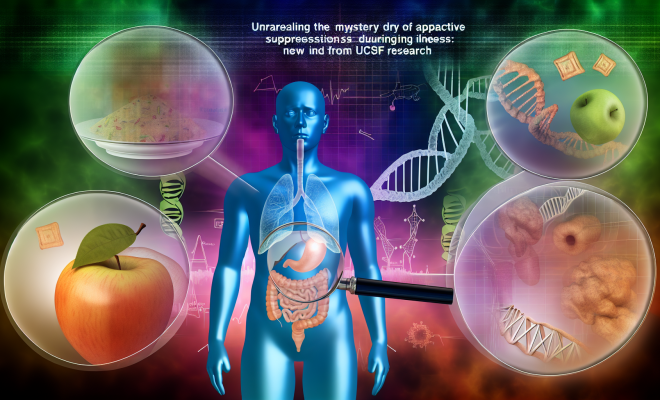
When illness strikes, many people experience a sudden loss of appetite, a phenomenon that can be puzzling and frustrating. Recent research from the University of California – San Francisco (UCSF) sheds light on this process, revealing the intricate biological mechanisms at play. Published on March 25, 2026, in the journal Nature, the study elucidates how the body signals the brain to suppress appetite during sickness, providing insights that could impact our understanding of digestive health and conditions like irritable bowel syndrome.
The Role of Specialized Cells in the Gut
At the heart of this discovery are specialized tuft cells located in the gut. These cells are pivotal in detecting the presence of parasites and pathogens. When the body senses an infection, tuft cells spring into action, communicating crucial information to other cells in the gut, particularly the enteroendocrine (EC) cells.
Mechanism of Communication
The communication between tuft cells and enteroendocrine cells involves a neurotransmitter called acetylcholine. This neurotransmitter acts as a messenger, triggering the EC cells to release serotonin. Once released, serotonin activates the vagal nerve fibers that carry signals to the brain, leading to a suppression of the appetite. This process is gradual, which explains why individuals may initially feel fine but then suddenly lose their desire to eat as the infection progresses.
The Gradual Process of Appetite Loss
Understanding the timeline of appetite suppression during illness is crucial. Initially, when an infection begins, the body might not exhibit significant symptoms, and individuals may continue to feel hungry. However, as the infection intensifies and the tuft cells detect more substantial threats, the communication pathway becomes more active, resulting in a pronounced loss of appetite.
The study highlights that this mechanism is not merely a side effect of being sick but rather a protective response. The body prioritizes fighting off infection over digestion, which can be energetically taxing. This prioritization speaks to the evolutionary adaptations that have shaped human biology over millennia.
Implications for Digestive Health
Beyond explaining appetite suppression during illness, the findings from this research could have broader implications for various digestive disorders. Conditions such as food intolerances and irritable bowel syndrome (IBS) often involve dysregulation of gut signaling. By understanding how tuft cells and enteroendocrine cells interact, researchers may be able to develop new therapeutic strategies to address these conditions.
Potential for Future Research
The study opens several avenues for future research. For instance, researchers may investigate how this communication pathway is affected by chronic illnesses or stress, which could lead to better management strategies for patients suffering from prolonged appetite loss or digestive issues. Additionally, understanding the role of serotonin beyond appetite regulation could provide insights into mood disorders and mental health, as serotonin is also a key neurotransmitter involved in regulating mood.
Conclusion
The discovery by UCSF researchers not only elucidates a critical biological mechanism behind appetite suppression during illness but also holds promise for advancing our understanding of digestive health. The interplay between tuft cells, enteroendocrine cells, and the vagal nerve represents a sophisticated communication network that plays a vital role in how our bodies respond to sickness.
As scientists continue to unravel the complexities of gut-brain interactions, this research underscores the importance of gut health in overall wellness and opens the door for innovative treatments that can improve the quality of life for those suffering from various digestive disorders.