Surging Oil Prices Amid Geopolitical Tensions: The Impact of Iran’s Proposal and Global Economic Shifts
Introduction
In the ever-evolving landscape of global energy markets, oil prices have recently surged, maintaining levels between $108 and $110 per barrel. This increase is largely attributed to traders’ anticipation of the US response to Iran’s recent proposal regarding strategic maneuvers in the Hormuz Strait. As geopolitical tensions continue to mount, the implications for global oil supply and pricing are significant.
The Current State of Oil Prices
As of late April 2026, oil prices have shown remarkable resilience, hovering within the range of $108 to $110 per barrel. This price elevation is not merely a function of market dynamics but is heavily influenced by geopolitical factors, particularly the ongoing tensions with Iran. The Hormuz Strait, a pivotal waterway for oil transport, has become a focal point of international negotiations and strategic military considerations.
Factors Driving Oil Prices Upward
The rise in oil prices can be attributed to several key factors:
- Geopolitical Tensions: Ongoing conflicts and negotiations involving Iran significantly impact market sentiment.
- Supply Chain Concerns: Disruptions in oil supply chains due to regional instability lead to fear of shortages.
- Market Speculation: Traders often react to news and negotiations, driving prices up in anticipation of future developments.
The Hormuz Strait: A Strategic Waterway
The Hormuz Strait is a critical chokepoint for global oil transport, with approximately 20% of the world’s oil passing through this narrow passage. Given its strategic importance, any uncertainty in this region can have far-reaching implications for oil prices and global energy security.
Iran’s Proposal and US Response
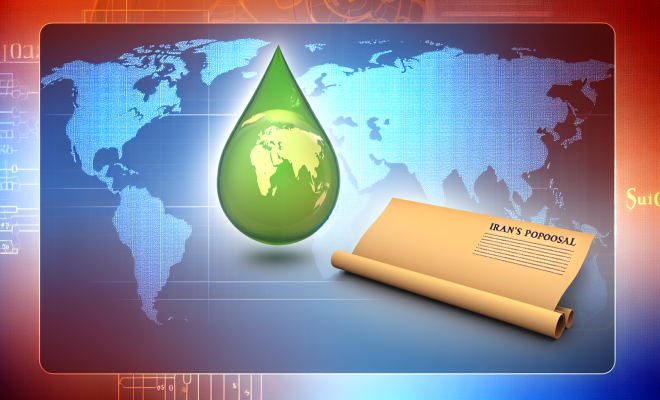
Amidst these tensions, Iran has put forth a proposal that has caught the attention of US policymakers. President Donald Trump is currently reviewing this plan with his aides, weighing the potential benefits and risks involved. This proposal could include elements aimed at de-escalating the situation in the Hormuz Strait, but its acceptance by the US remains uncertain.
International Perspectives on US-Iran Negotiations
Criticism of the US’s handling of the negotiations has been vocal. German Chancellor Friedrich Merz has publicly stated that the US has been “humiliated” in its negotiations with Iran, a sentiment that reflects broader international concerns regarding American foreign policy and its effectiveness in managing complex geopolitical relationships.
The Role of Central Banks in Market Stability
In conjunction with geopolitical factors, central banks also play a vital role in shaping market conditions. On April 28, 2026, the Bank of Japan made headlines by holding interest rates steady in a surprising split vote. This decision came alongside a revision of its core inflation forecasts, now projected at 2.8%. The implications of this decision resonate beyond Japan, influencing global market sentiment and economic forecasts.
Impacts of Inflation Rates on Oil Prices
As inflation rates rise, the cost of goods and services, including energy, tends to increase. This has a direct correlation with oil prices as higher inflation can lead to higher operational costs for oil production and transportation. Consequently, traders are closely observing inflation trends when making their oil market predictions.
Global Market Uncertainty
The combination of geopolitical tensions, inflationary pressures, and central bank policies has contributed to a climate of global market uncertainty. Investors are wary, and fluctuations in oil prices can lead to broader economic implications, affecting everything from consumer spending to inflation rates.
Strategies Amidst Uncertainty
In this volatile environment, market participants are adopting various strategies to mitigate risk:
- Hedging: Traders are increasingly using financial instruments to hedge against potential price fluctuations.
- Diversification: Investors are diversifying their portfolios to include a mix of asset types, reducing overall risk.
- Market Analysis: Continuous monitoring of geopolitical developments and economic indicators is crucial for informed decision-making.
Conclusion
The current rise in oil prices reflects a complex interplay of geopolitical tensions, economic policies, and market speculation. As traders await the US response to Iran’s proposal regarding the Hormuz Strait, the global oil market remains in a state of flux. With inflation rates on the rise and central banks adjusting their policies, the landscape for oil pricing is more uncertain than ever.
As we move forward, the outcomes of these negotiations and economic decisions will be pivotal in shaping the future of global oil markets and the broader economic landscape.