IEP Guide for Parents: Elementary School Success 2024
“`html
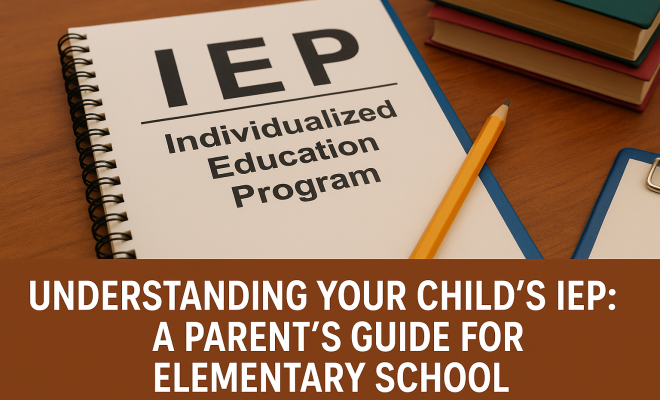
The journey through elementary school can be a challenging time for many families, especially when it comes to navigating the complexities of an Individualized Education Program (IEP). For parents, understanding this process is crucial to ensure that their child receives the support and resources they need to thrive academically and socially. In this comprehensive IEP guide for parents, we will break down the essential elements of an IEP, offer practical insights, and empower you with the knowledge to effectively advocate for your child.
What is an IEP?
An Individualized Education Program (IEP) is a legally binding document designed to outline special education services and supports for children with disabilities. Under the Individuals with Disabilities Education Act (IDEA), schools are required to develop an IEP for each eligible child, ensuring they have access to a free appropriate public education (FAPE).
The IEP details the specific educational goals for the child, the services they will receive, and the methods for measuring their progress. It’s not just a paperwork exercise; it serves as a roadmap for your child’s educational journey. As a parent, understanding the components of this document is key to your involvement in the process.
Who is Eligible for an IEP?
Eligibility for an IEP is determined through an evaluation process that assesses whether a child has a qualifying disability that adversely affects their educational performance. According to IDEA, a child must meet one of the following categories:
- Autism
- Deafness
- Deaf-blindness
- Emotional disturbance
- Hearing impairment
- Intellectual disability
- Multiple disabilities
- Orthopedic impairment
- Other health impairment
- Specific learning disability
- Speech or language impairment
- TBI (Traumatic Brain Injury)
- Visual impairment
Each child’s needs are unique, and evaluations are typically performed by a team of professionals, including teachers, psychologists, and special education experts. Parents are a crucial part of this team, providing insights into their child’s strengths and challenges.
The IEP Process: Step-by-Step
Understanding the IEP process can seem daunting at first, but breaking it down into manageable steps can help. Here’s how the process typically unfolds:
- Request for Evaluation: This can be initiated by the parents or by the school. If you suspect your child has a disability, you can formally request an evaluation.
- Evaluation: The school conducts comprehensive assessments across multiple domains, including academic performance, social skills, and adaptive behavior.
- Eligibility Determination: A team reviews the evaluation results to determine if the child qualifies for special education services.
- IEP Development: If eligible, an IEP team convenes, which includes parents, to develop the IEP tailored to the child’s needs.
- Implementation: The IEP is put into action, and teachers and staff are trained to provide the designated services.
- Review and Revision: The IEP must be reviewed at least annually to ensure it continues to meet the child’s needs, with revisions made as necessary.
Each step is crucial in ensuring that your child’s unique needs are met, and as a parent, your involvement is pivotal at every stage.
Key Components of an IEP
Understanding the key components of an IEP can empower you to advocate effectively for your child. Here are the most critical elements:
- Present Levels of Performance (PLP): This section outlines your child’s current academic and functional performance, providing a baseline for setting goals.
- Measurable Annual Goals: The IEP must include specific, measurable goals for your child to achieve within one year.
- Special Education and Related Services: This section defines the specific services your child will receive, such as speech therapy, occupational therapy, or specialized instruction.
- Participation in General Education: The IEP must specify the extent to which your child will participate in the general education curriculum.
- Accommodations and Modifications: Any adjustments needed to help your child access the curriculum, such as extended time on tests or modified assignments, should be documented.
- Transition Services: For older students, the IEP must include planning for transition to post-secondary education or vocational training.
Familiarizing yourself with these components can assist in discussions with the IEP team and ensure that your child’s needs are met.
Understanding Your Rights as a Parent
As a parent, you have specific rights under IDEA that help you advocate for your child effectively. Understanding these rights is essential for navigating the IEP process:
- The Right to Participate: You have the right to be involved in all meetings regarding your child’s IEP.
- The Right to Access Records: You can request access to your child’s educational records, including assessment results and IEP documents.
- The Right to Request Changes: If you feel that the IEP does not meet your child’s needs, you have the right to request changes and advocate for additional services.
- The Right to Dispute Decisions: If you disagree with the school’s decisions regarding your child’s IEP, you can seek resolution through mediation or due process hearings.
These rights are designed to empower you as an advocate for your child, ensuring that their educational needs are adequately addressed. (See: Individualized Education Program (IEP).)
Effective Communication with the IEP Team
Building a collaborative relationship with the IEP team can significantly impact the effectiveness of your child’s IEP. Here are some tips for fostering effective communication:
- Be Prepared: Before meetings, prepare a list of your concerns, questions, and any observations about your child’s progress.
- Stay Positive: Approach discussions with a constructive mindset. A positive attitude can create a collaborative atmosphere.
- Listen Actively: Make sure to listen to the educators and specialists’ insights. They can provide valuable information about your child’s educational experience.
- Follow Up: After meetings, send a summary of the discussion and any agreed-upon actions to ensure everyone is on the same page.
Effective communication can make all the difference in creating a successful IEP that meets your child’s needs.
Common Challenges Parents Face
Despite the best intentions, parents may encounter several challenges during the IEP process. Understanding these challenges can help you navigate them more effectively:
- Resistance from Schools: Sometimes, schools may resist providing certain services or accommodations. Being persistent and well-informed can help you advocate for your child’s needs.
- Lack of Clarity: IEP documents can be filled with jargon and technical language. Don’t hesitate to ask questions or request explanations to ensure you understand everything.
- Emotional Stress: Advocacy can be emotionally taxing. It’s essential to take care of your mental well-being and seek support from other parents or organizations.
By anticipating these challenges, you can prepare yourself to address them calmly and effectively.
Resources for Parents
Finding reliable resources can significantly ease the IEP journey. Here are some valuable resources for parents:
- National Parent Technical Assistance Center: This organization provides information and resources about special education rights and procedures.
- Parent Training and Information Centers: These federally funded centers offer training and information to help parents understand their rights and navigate the IEP process.
- Local Support Groups: Connecting with local parent support groups can provide emotional support and practical advice from those who have gone through similar experiences.
Utilizing these resources can enhance your understanding and empower you to advocate effectively for your child.
The Importance of Advocacy
Ultimately, being an effective advocate for your child means being informed and proactive. Stay engaged in your child’s education, monitor their progress, and don’t hesitate to seek changes when necessary. Remember, you are your child’s best advocate, and your involvement is critical to ensuring they receive the education they deserve.
Understanding the IEP Team Members
Being familiar with the members of the IEP team can make meetings more productive and collaborative. Here’s a rundown of who’s typically involved in your child’s IEP team:
- Parents: You are a vital part of the team, bringing critical insights about your child’s strengths and challenges.
- Special Education Teacher: This professional has expertise in teaching students with disabilities and will provide critical input in developing the IEP.
- General Education Teacher: They can share how your child interacts in a typical classroom setting and provide insights into their academic performance.
- School Psychologist: This team member may conduct assessments and evaluations that inform the IEP and suggest appropriate accommodations.
- Speech/Language Pathologist: If your child has communication needs, this expert will provide recommendations for services and goals.
- Occupational or Physical Therapist: If applicable, these specialists may provide insights into your child’s motor skills and how they affect learning.
- School Administrator: Usually, someone in a leadership role, they ensure the school meets legal requirements and can provide resources.
Understanding who is involved in the IEP process enhances your ability to communicate effectively and advocate for your child’s needs.
How to Prepare for an IEP Meeting
Preparation can significantly enhance the effectiveness of your IEP meetings. Here are some strategies to help you get ready:
- Gather Documentation: Collect reports, evaluations, and samples of your child’s work to present a comprehensive picture of their abilities and challenges.
- Set Goals: Think about what you want to achieve during the meeting. Be specific about the services or supports you believe your child needs.
- Practice Your Points: If you’re nervous, it can help to practice what you want to say ahead of time. This can boost your confidence.
- Invite Support: Consider bringing someone with you, such as a spouse, family member, or advocate. Their presence can provide support and help ensure that you don’t miss any important points.
Being well-prepared can make the meeting more efficient and ensure that your child’s needs are effectively communicated to the team.
Transition Planning: Preparing for Life Beyond School
Transition planning is an essential component of an IEP for older students. This process helps prepare students to move from school to post-school activities, which may include higher education, vocational training, or employment. Here are a few key aspects:
- Identifying Goals: Work with the IEP team to set clear, measurable post-secondary goals based on your child’s interests and abilities.
- Skills Assessment: Evaluate your child’s strengths and areas for improvement to develop a realistic transition plan.
- Connecting with Resources: There are numerous resources available for transition planning, including community organizations and vocational rehabilitation services that can assist your child in their journey.
- Maintaining Communication: Transition planning should be an ongoing discussion throughout your child’s education, regularly updating goals and strategies as they grow.
A comprehensive transition plan can significantly enhance your child’s chances of success after school, making it a critical focus of the IEP process. (See: CDC IEP Parent Guide.)
FAQs about IEPs
What is the difference between an IEP and a 504 Plan?
An IEP provides special education services and supports to students with disabilities, while a 504 Plan outlines accommodations and modifications for students with disabilities who do not require special education services. Both are designed to ensure students can access an appropriate education.
Can parents request an IEP evaluation at any time?
Yes, parents can request an evaluation for an IEP at any time if they believe their child may have a disability. It’s often best to put this request in writing to ensure there’s a clear record of your concerns.
How often is the IEP reviewed?
The IEP must be reviewed at least annually, but it can be reviewed more frequently if requested by parents or if significant changes in the child’s needs occur.
What should I do if I disagree with the IEP?
If you disagree with the IEP, first try to resolve the issue through discussion with the IEP team. If that doesn’t work, you have the right to request mediation or a due process hearing to resolve the disagreement.
Are there any costs associated with obtaining an IEP?
No, there should be no costs associated with obtaining an IEP. Under IDEA, schools are required to provide free appropriate public education (FAPE) to all eligible students.
Can IEP goals be changed during the school year?
Yes, IEP goals can be changed during the school year if the IEP team agrees that changes are necessary for your child’s success. It’s important to continuously monitor progress and make adjustments as needed to ensure that the IEP remains effective.
What happens if my child does not make progress toward IEP goals?
If your child is not making progress toward their IEP goals, it’s essential to communicate this with the IEP team. The team can then examine the IEP and make necessary adjustments, which could include modifying goals, providing additional resources, or changing teaching strategies.
What if I believe my child is being bullied at school?
If you suspect your child is being bullied, it’s important to report the behavior to school officials immediately. Document instances of bullying and discuss them in your IEP meetings. The school is required to provide a safe learning environment, and accommodations can be made in the IEP to address bullying concerns.
How can I help my child prepare for their IEP meetings?
Helping your child prepare for IEP meetings can empower them and help them feel more in control. Discuss what to expect during the meeting, role-play questions they might be asked, and encourage them to express their feelings and needs. This involvement can enhance their understanding of their educational journey.
Final Thoughts on Navigating the IEP Process
As you embark on this journey of navigating your child’s IEP process, remember that knowledge is power. Being informed about your child’s rights, actively participating in meetings, and building strong relationships with the IEP team can greatly enhance your child’s educational experience. Every child deserves the opportunity to succeed, and your advocacy plays a pivotal role in making that happen. (See: NIH IEP Information.)
This IEP guide for parents is intended to serve as a comprehensive resource to help you navigate this often-complex landscape. Embrace the challenges, seek support when needed, and remain steadfast in your commitment to your child’s education. With the right tools and information, you can be a powerful advocate for your child, ensuring they receive the education and support necessary to flourish.
Success Stories: Real-Life Examples of Effective Advocacy
Understanding the process is important, but hearing real-life success stories can be incredibly encouraging. Here are a couple of examples of how parents have effectively navigated the IEP process to secure services for their children:
Case Study 1: Sarah’s Journey
When Sarah, a bright and creative second-grader, began struggling with reading, her parents noticed she was falling behind her peers. After a few months of monitoring her progress and communicating with her teachers, they decided to request an evaluation for an IEP. During the evaluation, the school identified that Sarah had a specific learning disability in reading.
At the IEP meeting, her parents came prepared with documentation of Sarah’s struggles, as well as examples of her work. They discussed their concerns and advocated for specific accommodations, such as additional time on reading assignments and access to assistive technology. The school agreed to these accommodations, which helped Sarah catch up in her reading skills. By the end of the year, she was reading at grade level and even began to excel in other subjects.
Case Study 2: John’s Advocacy
John is a high school student with autism who struggled in social interactions and often felt overwhelmed in large group settings. His parents had been actively involved in his education, attending IEP meetings, and sharing their observations with the educators. They noticed that despite having a solid IEP in place, John was still facing challenges that weren’t being addressed.
During an annual review meeting, John’s parents voiced their concerns about his difficulty in social situations and advocated for the inclusion of a social skills group in his IEP. They provided examples of how this could benefit John by improving his confidence and interaction with peers. The IEP team agreed to assess the possibility of adding this component, leading to the implementation of a social skills program that significantly improved John’s ability to connect with his classmates.
The Role of Technology in IEP Implementation
As technology continues to evolve, its role in supporting students with IEPs has become increasingly vital. Here are some ways technology can enhance the IEP experience:
- Assistive Technology: Tools like speech-to-text software, audiobooks, and interactive educational apps can provide personalized learning experiences for students with IEPs, allowing them to engage more deeply with their curriculum.
- Monitoring Progress: Many schools now use digital platforms to track student progress on IEP goals. This technology allows for real-time updates, making it easier for parents and educators to see how a child is progressing toward their goals.
- Virtual IEP Meetings: Particularly in the wake of the pandemic, many schools have adopted virtual platforms for IEP meetings. This flexibility can make it easier for parents to attend and be involved in discussions about their child’s education, especially if they have scheduling conflicts.
- Online Resources: Websites and forums dedicated to special education can provide parents with access to a wealth of information, tips, and community support to help them navigate the IEP process.
Conclusion
Navigating the IEP process can feel overwhelming at times, but with the right information, support, and advocacy, you can make a positive difference in your child’s educational experience. Remember, your involvement is not just important; it’s essential. The journey may have its ups and downs, but with perseverance and a focus on your child’s needs, you can help them succeed in school and beyond.
“`
Trending Now
Frequently Asked Questions
What is the purpose of an IEP?
An Individualized Education Program (IEP) is a legally binding document that outlines the special education services and supports for children with disabilities. Its purpose is to ensure that eligible students receive a free appropriate public education (FAPE) tailored to their unique needs, detailing specific educational goals and the services provided to help them succeed.
Who qualifies for an IEP?
Eligibility for an IEP is determined through an evaluation process that assesses whether a child has a qualifying disability that negatively impacts their educational performance. Categories include autism, emotional disturbance, specific learning disabilities, and more, as defined by the Individuals with Disabilities Education Act (IDEA).
How can parents advocate for their child’s IEP?
Parents can advocate for their child's IEP by understanding the components of the document, actively participating in meetings, and communicating their child's needs effectively. Being informed about the IEP process and collaborating with educators can ensure that the child receives the appropriate support and resources necessary for their educational journey.
What are the key components of an IEP?
Key components of an IEP include the child's present levels of performance, measurable annual goals, the specific special education services to be provided, and methods for tracking progress. It serves as a roadmap for the child's educational journey, ensuring they receive tailored support to meet their unique needs.
How is an IEP created?
An IEP is created through a collaborative process involving a team that includes parents, teachers, and specialists. This team assesses the child's needs and determines the appropriate services and goals. The IEP is then drafted, reviewed, and updated annually to ensure it continues to meet the child's evolving educational requirements.
Have you experienced this yourself? We’d love to hear your story in the comments.