NC Gambling Addiction: Help Yourself or a Loved One (2024)
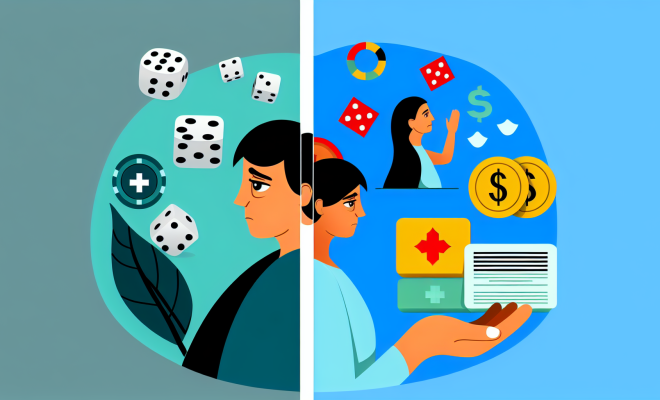
In recent years, the landscape of gambling has undergone significant changes, particularly following the legalization of sports betting in North Carolina in 2024. This shift has not only transformed the way people engage with gambling but has also led to a noticeable increase in gambling addiction cases. As more individuals seek to understand and address the implications of this addiction, it’s crucial to recognize the signs, approach conversations with empathy, and take appropriate steps for intervention.
The Surge in Gambling Addiction
Since the introduction of legalized sports betting, there has been a marked rise in the number of individuals seeking help for gambling-related issues. According to recent data, online searches for terms such as ‘gambling addiction’ and ‘problem gambling’ have surged, indicating a growing awareness of this serious issue. Michelle Crouch, writing for North Carolina Health News, highlights this trend and the urgency it brings to the conversation surrounding gambling addiction.
Expert Insights: The Nature of Gambling Addiction
Elliott Rapaport, the founder and CEO of Birches Health, emphasizes that gambling addiction is a diagnosable behavioral health condition rather than a moral failing. This distinction is essential for reducing the stigma attached to addiction and encouraging individuals to seek help without shame. Rapaport notes that many people struggling with gambling addiction may feel isolated or embarrassed, which can prevent them from reaching out for support.
Recognizing the Signs of Gambling Addiction
Understanding the signs of gambling addiction is crucial for both individuals and their loved ones. Some common indicators include:
- Increased Frequency: Spending more time gambling than planned.
- Financial Problems: Experiencing significant financial losses or accumulating debt due to gambling activities.
- Withdrawal Symptoms: Feeling anxious, irritable, or restless when unable to gamble.
- Neglecting Responsibilities: Failing to fulfill obligations at work, school, or home due to gambling.
- Preoccupation: Constantly thinking about gambling or planning the next gambling activity.
If you or someone you know exhibits these behaviors, it may be time to take action.
Starting the Conversation
Approaching someone about their gambling habits can be sensitive. Rapaport advises starting these conversations with empathy and concern. For example, asking, “Is everything OK?” can open the door to a meaningful dialogue. It’s crucial to create a safe space for the individual to express their feelings without fear of judgment.
Using a non-confrontational tone and expressing genuine care can help the individual feel understood rather than criticized. This approach can foster trust and encourage them to share their experiences, ultimately leading to a better understanding of their struggles.
Steps to Take if You Suspect Gambling Addiction
If you believe that you or someone you care about is dealing with gambling addiction, consider the following steps:
- Educate Yourself: Learn about gambling addiction, its symptoms, and its effects on individuals and families. Knowledge is a powerful tool in understanding this condition.
- Encourage Professional Help: Suggest seeking assistance from mental health professionals who specialize in gambling addiction. Therapists, counselors, and support groups can provide valuable resources and guidance.
- Set Boundaries: If the individual is a loved one, establish clear boundaries regarding financial support and gambling activities. This can help prevent enabling behaviors.
- Promote Healthy Alternatives: Encourage engaging in alternative activities that promote well-being and social interaction, such as hobbies or sports that don’t involve gambling.
- Be Patient: Recovery from gambling addiction is often a long journey. Be prepared to offer ongoing support and understanding throughout this process.
Seeking Support for Yourself
If you are struggling with gambling addiction, know that you are not alone. Many resources are available to assist you, including hotlines, support groups, and counseling services. The National Council on Problem Gambling offers a wealth of information and can connect you with local resources tailored to your needs.
Additionally, engaging with support groups can provide a sense of community and understanding, which is invaluable when navigating the complexities of addiction.
Conclusion
The legalization of sports betting in North Carolina has brought gambling addiction into sharper focus, highlighting the importance of awareness and intervention. By recognizing the signs, approaching conversations with empathy, and taking proactive steps, individuals and families can address gambling addiction effectively. Remember, it’s crucial to view gambling addiction as a health issue rather than a moral failing, fostering an environment conducive to recovery and support.