
Tips for Keeping Your School Safe
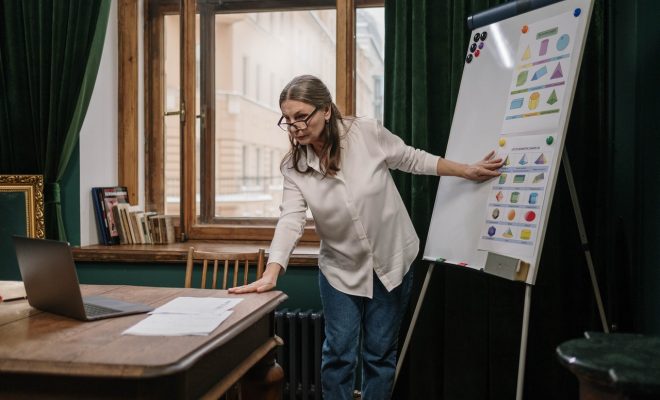
Check out our list of tips for keeping your school safe.
Work with the administration and other educators to create a safe school team. The safe school team should consist of custodial staff, administration, educators, learners, parents, and community members. Each representative of the committee brings a different safety perspective to the table.
The make-up of the safety school committee is encouraging in itself, and it has a chance to make a distinction in the safety of your learners and others using the facility.
If your school does not have a safety school team, consider starting one with the assistance of your learners, especially if you are hearing complaints about safety issues. You and your learners can create a survey with safety questions addressing facilities and emotional safety. The committee does the safe school walk. Utilizing walk-through data and safe school recommendations from the committee will provide enough info for a safe school plan for your school. The plan can have a one to the three-year timeline based on urgency and funds.
All schools have a playground. Wherever learners meet to have fun, it needs to be safe. If you have playground duty, you are accountable for the safety of the learners while they are under your care.
If you have playground duty, do not leave your post unattended. It is a responsibility, and the risk of an accident is high.
Carry a storage bin with your class- room balls, jump ropes, and bats by the door. Remain sure to mark all items with the school’s name and grade level on the item.
If learners take items out to the playground, they are responsible for returning them to the storage bin at the end of recess.
In cold weather, make sure you have dressed appropriately. The learners will stay warm because they are active. Your job is not as dynamic, and you will become cold sooner than your learners if you are not dressed for the season. Wear comfortable shoes.
If learners do not have the appropriate dress for the playground, ask the school nurse for any extra mittens or hats they may have in their office.
Playground equipment needs to be inspected for loose bolts and weaknesses every month. Once you supervise the playground, be proactive and look for equipment defects.
Enforce school rules about the playground. These rules include only going down the slide one learner at a time and not walking in front of or behind the swings.
Ask for trustworthy volunteers to be on the playground with you to teach and play games with the learners. Learners must learn the correct rules for the games to help with the fairness issues that will arise. This also gives you and the school another set of eyes during recess.
As faculty, and with feedback from parents, establish what appropriate attire for the playground is. Do the learners have to wear boots when it is muddy and snowy? Select as a staff, in conjunction with your custodial staff, what learners should do with their muddy shoes and boots after recess. Do they leave them outside of their class door on newspapers? These are questions that must be decided prior to boot-wearing weather.
If the local newspaper visits the school and takes pictures of learners, they must have a signed permission slip from the parents. Ask that they email you any pictures before publishing in the paper for identification, and you need to receive permission from the parents for publication.
Permission slips are required for any field trips. Once taking a field trip, have a ratio of two or three children to adults. Prepare the list of names, name tags, and field trip decorum for each chaperone. Send thank-you notes to the chaperones after the field trip.
Name tags should have the learner’s name, school, and phone number on the identification tag should they become separated from the group.
Schools practice bus drills twice a year with the transportation staff, learners, and staff. Learners board the bus at the front and exit the back door. They need to understand the purpose of an exit door and when and why it is used. Older learners exit in the back. A bus is like an airplane; if the older pupils sit close to the exit, they are accountable for helping everyone exit if needed.
As an educator, help the bus driver enforce the safety rules. Learners and parents need to be aware of the bus rules, especially if a learner has a bus-riding violation that prevents them from riding the bus to school.
Arrival and dismissal of the day can be frantic if procedures are not established. There must be signs for bus parking, drop-off, and car pick-up points, so everyone knows the safety rules. Learners need to know where they can walk and not walk when arriving and leaving the school grounds.
Dismissal is an exhilarating part of the day and can be a disaster if traffic patterns and processes are not planned. Educators will be expected to be involved with the arrival and dismissal of learners. The presence of adults helps manage the excitement.
Learners need to know what bus they are to ride, and educators need a roster with the bus driver’s name and other learners on the route.
Bus drivers may allocate seats, at least at the start of the year, so they can learn their riders’ names. Have your learners wear nametags with their bus numbers on them until the learners and driver become familiar with the routine.
Several learners are walkers, and others will ride with high school brothers or sisters. Refer to the learner’s fall registration form and write on the info card you have in your file how the learner will be coming and going from school.
Take any drill seriously. As a new educator, ask what the procedures are for your class. There must be lit exit signs and an exit map posted by your class door for any drill your school practices. Always have a class list and schedule when you leave the building to check when you arrive at your designated spot that all your learners exited the building safely.
Set up cafeteria rules on the first day of school. Form a collaboration with the food service staff, so they are glad to see your class in the cafeteria. No educator wants the class known for leaving a mess on the table and floor before they leave. Treat the cafeteria like a fine restaurant.
To encourage appropriate behavior among your learners, offer free admission to learners who volunteer to be part of a welcoming group. Instruct them they are expected to wear a school polo shirt or jacket with the school logo. Not only is this an essential job within the school, but it also gives somebody who wants to be engaged with athletics that may not be athletic a chance to be part of the group.
Schools often host music and speech contests once or twice a year. Promote the same behavior you would expect at an athletic event. This is a good time to involve some learners not actively participating in the fine arts to learn more about the fine arts activities. Learners are very capable of hosting a performance room, timing the events, assisting the judges, and recording the ratings. It is also essential to have a person greet the buses, welcome the visitors to your school, and guide them concerning arrival and departure places.
Learners who feel included and are part of the system are much more likely to do better academically. As an educator, be aware of all school events and encourage participation from all learners.
If you are a coach, understand the rules of the sport you are coaching so your learners will have equal opportunity to everyone else in the league. Stress the importance of these rules and sportsmanship behavior on the playing field.
Collaborate with your administration to ensure that there are grief counselors and trained professionals to help you and your learners. Involve the parents because they may require help coping with the loss and their child at home.
The death of a learner’s family member is also traumatic. Meet with the class and brainstorm how you can support the classmate in their time of sadness. Learners will often not know what to say. Explain to them that it is essential to be present and that saying “I’m sorry” is often enough.


