AI Blood Test Revolutionizes Heart Health Assessment
“`html
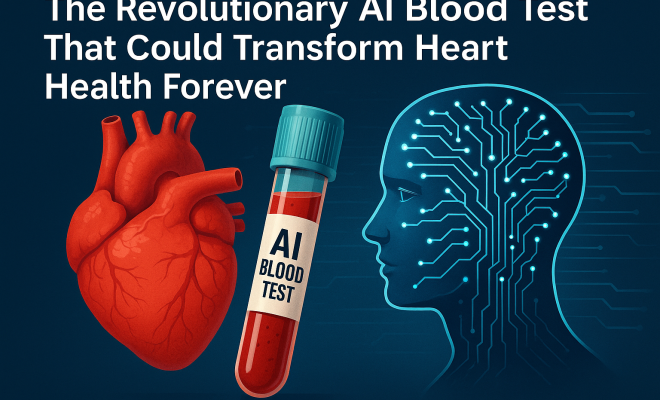
In an era where technology intertwines with healthcare, the University of Hong Kong has made a groundbreaking stride with the development of an AI blood test known as the ‘cardiomic score.’ This innovative test stands poised to revolutionize how we evaluate cardiovascular health, offering a highly accurate assessment through the analysis of complex genetic and metabolic markers. Imagine a simple blood draw that can predict your heart health with precision previously reserved for advanced imaging techniques. This remarkable advancement not only has the potential to save countless lives but also reshapes our understanding of heart disease risk assessment.
The Birth of the Cardiomic Score
Researchers at the University of Hong Kong embarked on a mission to enhance traditional methods of cardiovascular risk prediction. Typically, assessments rely on several clinical factors — blood pressure, cholesterol levels, and lifestyle choices — combined with more invasive procedures like echocardiograms or CT scans. However, these methods can sometimes miss the mark, leading to false reassurance or unnecessary alarm.
The cardiomic score leverages artificial intelligence to analyze a comprehensive array of biological data derived from blood samples. This score uses sophisticated algorithms to detect patterns that could signal potential heart issues, providing doctors with actionable insights that can lead to early intervention. The significance of this cannot be overstated; early intervention can mean the difference between a manageable condition and a dire health crisis.
How Does the AI Blood Test Work?
The AI blood test operates by examining multiple indicators in a blood sample, including genetic markers and metabolites that reflect how well the heart and blood vessels are functioning. The AI algorithms are trained on vast datasets, allowing them to recognize subtle correlations that human analysts might overlook. In essence, the test synthesizes complex biological information into a single, easily interpretable score.
This score indicates an individual’s risk of developing cardiovascular disease, enabling healthcare providers to tailor preventive strategies more effectively. For example, a high cardiomic score could prompt a physician to recommend lifestyle changes or even medications to mitigate risk, whereas a low score might provide reassurance and allow for less frequent monitoring. Related reading: hidden threats to women's heart health.
The Accuracy Factor: How It Compares to Traditional Methods
One of the most astonishing aspects of the cardiomic score is its accuracy. Preliminary studies suggest that this AI-powered test surpasses traditional cardiovascular assessment methods, including advanced imaging. The ability to predict heart disease through a simple blood test not only challenges established norms but also raises questions about the future of cardiovascular diagnostics.
Traditional imaging techniques, while valuable, can be expensive and often require specialized facilities and personnel. In contrast, the cardiomic score can be performed in standard laboratory settings, making it more accessible. This democratization of heart health assessment could significantly reduce the burden on healthcare systems while improving patient outcomes.
Potential Impact on Public Health
The introduction of the cardiomic score could have far-reaching implications for public health. Heart disease remains the leading cause of death globally, accounting for approximately 17.9 million fatalities each year, according to the World Health Organization. By facilitating earlier detection and intervention, this AI blood test could drastically reduce mortality rates associated with cardiovascular conditions.
Moreover, the test can be particularly beneficial in populations with limited access to advanced medical care. By providing a non-invasive, cost-effective solution for heart health evaluation, it could empower individuals to take charge of their cardiovascular health and make informed decisions about lifestyle changes and medical interventions.
The Emotional Response and Curiosity Surrounding the Discovery
The cardiomic score’s potential to save lives is triggering emotional responses and sparking curiosity among health-conscious individuals. The idea that a simple blood test could outperform complex imaging techniques resonates deeply with many, particularly those with a family history of heart disease or those who prioritize preventive health measures. This curiosity is evident on social media, where discussions about the cardiomic score have gained momentum, highlighting a growing public interest in innovative health solutions.
People are actively searching for ways to protect their health, and the introduction of the cardiomic score aligns perfectly with this desire. The viral nature of this discovery is driven by a fundamental human instinct — the need to safeguard life and well-being. As more individuals learn about this AI blood test, the conversations surrounding heart health are likely to evolve, increasing awareness and prompting more proactive health management. (See: NIH funds AI research for heart health.)
Challenges and Considerations
Despite the promise of the cardiomic score, several challenges remain. One concern is the integration of this new technology into existing healthcare frameworks. Medical professionals will need training to interpret the results accurately and make informed decisions based on the cardiomic score. Furthermore, as with any new technology, there may be skepticism among some practitioners who are accustomed to relying on traditional diagnostic methods.
Another important aspect to consider is data privacy. The use of AI in healthcare raises questions about how biological data is handled and stored. Ensuring patient confidentiality while facilitating the analysis of sensitive information will be critical as this technology becomes more widespread. Building trust with patients and healthcare providers will be paramount in promoting the adoption of the cardiomic score.
Future Applications of AI in Healthcare
The development of the cardiomic score is just one example of how artificial intelligence is transforming healthcare. As AI technology continues to advance, we can expect to see further innovations that improve diagnostic accuracy and patient care across various medical fields. From predictive analytics in oncology to personalized medicine, AI’s potential to enhance our understanding of diseases and tailor treatment plans is immense.
For instance, researchers are already exploring the application of AI in early detection of other chronic conditions, such as diabetes and cancer, through similar blood tests. As these developments unfold, the healthcare landscape will likely shift towards more preventive and personalized approaches, ultimately leading to better patient outcomes.
Staying Informed and Engaged
For those eager to stay ahead in health management, understanding the implications of the cardiomic score and similar innovations is crucial. Regularly engaging with credible health news sources and scientific literature can provide insights into the latest advancements in diagnostics and treatments. Moreover, participating in discussions with healthcare professionals and community health organizations can offer an opportunity to explore how these technologies could fit into one’s health strategy.
As we witness the integration of AI into medicine, it’s essential to approach these developments with a sense of curiosity and open-mindedness. The cardiomic score not only represents a significant leap in heart health assessment but also serves as a reminder of the evolving relationship between technology and personal health.
The Road Ahead: What Lies in the Future?
Looking forward, the cardiomic score represents just the beginning of AI’s potential in healthcare. With ongoing research and development, we may see even more sophisticated technologies emerge that further refine our understanding of health and disease. As these innovations materialize, they could lead to a paradigm shift in how we approach health care, prioritizing prevention over treatment.
Healthcare systems worldwide might eventually adopt AI-powered assessments as standard practice, paving the way for a more proactive approach to health. If the cardiomic score continues to prove its worth in clinical settings, it could inspire a new wave of AI blood tests that cater to various medical conditions, fundamentally changing the landscape of preventive care.
Conclusion: Embracing the Change
The introduction of the cardiomic score by the University of Hong Kong stands as a testament to the transformative power of technology in medicine. With its ability to provide precise cardiovascular risk assessments through a simple AI blood test, this innovation could not only save lives but also empower individuals to take charge of their health. As we embrace this change, it’s vital to remain engaged and informed about ongoing advancements in healthcare, ensuring that we make well-informed choices for our well-being.
Understanding the Technology Behind the Cardiomic Score
The cardiomic score relies on a combination of bioinformatics, machine learning, and big data analytics. Bioinformatics plays a crucial role by enabling researchers to interpret biological data, especially genomic information. Machine learning algorithms are then employed to identify patterns and correlations within the data that are indicative of heart health. This synergy of technologies leads to the creation of a highly accurate risk assessment tool.
For instance, researchers typically analyze thousands of genetic variants and metabolic profiles from diverse populations. This comprehensive dataset helps ensure that the AI algorithms can function across different demographics, potentially making the cardiomic score universally applicable. A notable example is the analysis of lipid profiles in conjunction with genetic markers, which can be predictive of cardiovascular disease risk in varying populations, showcasing the adaptability of AI in healthcare.
Real-World Applications and Case Studies
Already, preliminary findings from clinical trials involving the cardiomic score are providing compelling insights. In one case study, a group of participants with a family history of heart disease underwent testing using the cardiomic score. Results indicated a significant number of participants who were previously considered low-risk based on traditional assessments actually displayed high cardiomic scores. Consequently, these individuals received timely interventions that substantially improved their health outlook.
Another case example showcases a healthcare clinic that implemented the cardiomic score in routine check-ups. They noticed a marked increase in patient engagement and adherence to preventive measures, as many patients expressed newfound awareness about their heart health risks. This shift in patient behavior exemplifies how innovative technology can enhance not only clinical outcomes but also patient empowerment. (See: CDC heart disease facts.)
Expert Perspectives on AI Blood Testing
Experts in the field are beginning to weigh in on the implications of the cardiomic score and AI blood testing at large. Dr. Sarah Jennings, a cardiologist at a major hospital, emphasizes that “the integration of AI in cardiovascular health assessment will fundamentally change our approach to prevention. It’s about empowering patients with knowledge that can lead to proactive health decisions.”
Furthermore, Dr. Tom Liu, a data scientist specializing in healthcare analytics, adds, “The cardiomic score exemplifies how we can harness the power of big data to drive personalized medicine. By analyzing diverse datasets, we can refine our understanding of risk factors and tailor interventions more effectively than ever before.”
FAQs About the AI Blood Test
What is the cardiomic score?
The cardiomic score is an AI-powered blood test developed to assess cardiovascular health by analyzing genetic and metabolic markers from a simple blood draw.
How accurate is the cardiomic score compared to traditional methods?
Initial studies suggest that the cardiomic score is more accurate in predicting cardiovascular disease than traditional methods, including advanced imaging techniques.
Who can benefit from the cardiomic score?
Individuals with a family history of heart disease, those at risk of cardiovascular conditions, and anyone interested in proactive health management can benefit from the cardiomic score.
How can I get tested using the cardiomic score?
The availability of the cardiomic score may vary by location. It’s best to consult with your healthcare provider to see if this test is offered in your area and discuss whether it would be suitable for your health needs.
What happens if I receive a high cardiomic score?
A high score typically indicates a higher risk of cardiovascular disease, prompting healthcare providers to recommend lifestyle changes or medical interventions to address your heart health proactively.
Is the cardiomic score covered by insurance?
Insurance coverage for the cardiomic score may depend on the provider and specific health plans. It’s advisable to check with your insurance company for details regarding coverage and potential out-of-pocket costs.
Are there any risks associated with the AI blood test?
As with any medical test, there can be risks associated with false positives or negatives. Additionally, the handling of sensitive biological data raises privacy concerns that need to be addressed.
Can the cardiomic score replace traditional assessments?
While the cardiomic score offers significant advantages, it is currently intended to complement, rather than replace, traditional cardiovascular assessments. Healthcare providers may use it alongside conventional methods to gain a more comprehensive understanding of a patient’s health.
The Role of Patients in the Future of AI in Healthcare
As technology continues to evolve, the role of patients in their healthcare decisions is becoming increasingly significant. Engaging with tools like the cardiomic score empowers patients to take an active role in their health management. Patients are encouraged to ask questions, seek out information, and discuss emerging technologies with their healthcare providers to enhance their understanding of potential impacts on their health. (See: Scientific study on AI in healthcare.)
Moreover, as more patients become informed about innovations like the AI blood test, a shift in expectations may occur. Patients may demand more personalized care and seek healthcare providers who embrace technology and prioritize preventive measures. This shift could lead to a more collaborative relationship between patients and providers, ultimately benefiting everyone involved.
The Future of AI in Disease Prevention
As the cardiomic score continues to gain traction, it sets the stage for a future where AI blood tests may become commonplace in disease prevention. With advancements in machine learning, we may see even greater accuracy and predictive power. Imagine being able to not only assess cardiovascular risk but also identify potential issues before they manifest based on a simple blood test. For instance, AI could analyze patterns not just in your blood but across a spectrum of health indicators to provide comprehensive health insights.
This could lead to a more holistic approach to healthcare, where patients are not just given a diagnosis after symptoms appear but are proactively monitored for potential health risks. This proactive health management could extend beyond cardiovascular health to include assessments for conditions like diabetes, cancer, or autoimmune diseases, making healthcare more preventive rather than reactive.
Global Perspectives on AI Blood Testing
Different countries are at various stages of integrating AI into their healthcare systems. In regions with advanced healthcare infrastructure, such as the United States and parts of Europe, AI blood tests are increasingly being adopted. For example, some hospitals in the U.S. have begun to incorporate AI technology in routine screenings, leading to improved patient outcomes and reduced healthcare costs.
Conversely, in developing countries, the adoption of AI blood tests like the cardiomic score may face challenges due to limited resources and infrastructure. However, there’s immense potential for AI to bridge gaps in healthcare access, particularly in underserved areas. Telemedicine combined with AI diagnostic tools could provide remote populations with access to high-quality healthcare services that were previously unavailable.
Ethical Implications of AI in Healthcare
The use of AI in medical diagnostics raises important ethical questions. How do we ensure that AI systems are unbiased and equitable? As the cardiomic score and similar technologies become integrated into healthcare, it’s crucial to address these concerns. Developers and healthcare providers must work together to establish standards that protect patient rights and ensure fairness in AI algorithms.
Moreover, transparency in how AI algorithms make decisions is vital. Patients should be informed about how their data is being used and the implications of AI-driven results. Engaging in open discussions about the benefits and risks associated with AI blood tests will foster greater trust in these innovations and enhance patient comfort with new technologies.
Conclusion: A New Era in Health Management
The cardiomic score represents a pivotal advancement in the intersection of AI and healthcare. As more individuals become aware of the potential of AI blood tests, the landscape of preventive healthcare is poised to change dramatically. By empowering patients to take charge of their health through innovative solutions like the cardiomic score, we can usher in a future where proactive health management is the norm rather than the exception. The implications of this technology extend beyond individual health, promising a transformative impact on public health systems and a potential reduction in the burden of chronic diseases worldwide. As we embrace this new era, remaining informed and engaged will be crucial to navigating the exciting developments ahead.
“`
Trending Now
- this guide on how to support teachers through standardized testing season
- Why Everyone’s Talking About the Obsession Peacock Review: 7 Key Points to Consider
- How US-Iran Tensions Are Shaking Up the Cryptocurrency Market Right Now
- Bitcoin Surges to $65K: What This Week’s Crypto Brief Reveals
- read the full story
Frequently Asked Questions
What is the AI blood test for heart health?
The AI blood test, known as the 'cardiomic score,' developed by the University of Hong Kong, analyzes genetic and metabolic markers from a blood sample to predict cardiovascular health with high accuracy. It aims to enhance traditional risk assessment methods by providing actionable insights for early intervention.
How does the cardiomic score work?
The cardiomic score operates by examining various indicators in a blood sample, including genetic markers and metabolites. It utilizes advanced AI algorithms trained on extensive datasets to identify patterns that may indicate potential heart issues, offering a comprehensive assessment of cardiovascular health.
What are the benefits of the AI blood test?
The AI blood test offers several benefits, including accurate cardiovascular risk assessment, the potential for early intervention, and a less invasive alternative to traditional methods like echocardiograms. This innovation could ultimately save lives by identifying heart health issues before they escalate.
Who developed the revolutionary AI blood test?
The revolutionary AI blood test, called the cardiomic score, was developed by researchers at the University of Hong Kong. Their goal was to improve cardiovascular risk prediction by integrating advanced technology and biological data from blood samples.
Why is the AI blood test important for heart disease?
The AI blood test is crucial for heart disease as it reshapes how risk is assessed. By providing a more accurate and comprehensive analysis of cardiovascular health through a simple blood draw, it enables earlier diagnosis and treatment, potentially preventing serious health crises.
What did we miss? Let us know in the comments and join the conversation.