The Edvocate

Top Menu

Main Menu

  • Start Here
    • Our Brands
    • Governance
      • Lynch Education Consulting, LLC.
      • Dr. Lynch’s Personal Website
      • Careers
    • Write For Us
    • Books
    • The Tech Edvocate Product Guide
    • Contact Us
    • The Edvocate Podcast
    • Edupedia
    • Pedagogue
    • Terms and Conditions
    • Privacy Policy
  • PreK-12
    • Assessment
    • Assistive Technology
    • Best PreK-12 Schools in America
    • Child Development
    • Classroom Management
    • Early Childhood
    • EdTech & Innovation
    • Education Leadership
    • Equity
    • First Year Teachers
    • Gifted and Talented Education
    • Special Education
    • Parental Involvement
    • Policy & Reform
    • Teachers
  • Higher Ed
    • Best Colleges and Universities
    • Best College and University Programs
    • HBCU’s
    • Diversity
    • Higher Education EdTech
    • Higher Education
    • International Education
  • Advertise
  • The Tech Edvocate Awards
    • The Awards Process
    • Finalists and Winners of The 2026 Tech Edvocate Awards
    • Finalists and Winners of The 2025 Tech Edvocate Awards
    • Finalists and Winners of The 2024 Tech Edvocate Awards
    • Finalists and Winners of The 2023 Tech Edvocate Awards
    • Finalists and Winners of The 2021 Tech Edvocate Awards
    • Finalists and Winners of The 2022 Tech Edvocate Awards
    • Finalists and Winners of The 2020 Tech Edvocate Awards
    • Finalists and Winners of The 2019 Tech Edvocate Awards
    • Finalists and Winners of The 2018 Tech Edvocate Awards
    • Finalists and Winners of The 2017 Tech Edvocate Awards
    • Award Seals
  • Apps
    • GPA Calculator for College
    • GPA Calculator for High School
    • Cumulative GPA Calculator
    • Grade Calculator
    • Weighted Grade Calculator
    • Final Grade Calculator
  • The Tech Edvocate
  • Post a Job
  • AI Powered Personal Tutor

logo

The Edvocate

  • Start Here
    • Our Brands
    • Governance
      • Lynch Education Consulting, LLC.
      • Dr. Lynch’s Personal Website
        • My Speaking Page
      • Careers
    • Write For Us
    • Books
    • The Tech Edvocate Product Guide
    • Contact Us
    • The Edvocate Podcast
    • Edupedia
    • Pedagogue
    • Terms and Conditions
    • Privacy Policy
  • PreK-12
    • Assessment
    • Assistive Technology
    • Best PreK-12 Schools in America
    • Child Development
    • Classroom Management
    • Early Childhood
    • EdTech & Innovation
    • Education Leadership
    • Equity
    • First Year Teachers
    • Gifted and Talented Education
    • Special Education
    • Parental Involvement
    • Policy & Reform
    • Teachers
  • Higher Ed
    • Best Colleges and Universities
    • Best College and University Programs
    • HBCU’s
    • Diversity
    • Higher Education EdTech
    • Higher Education
    • International Education
  • Advertise
  • The Tech Edvocate Awards
    • The Awards Process
    • Finalists and Winners of The 2026 Tech Edvocate Awards
    • Finalists and Winners of The 2025 Tech Edvocate Awards
    • Finalists and Winners of The 2024 Tech Edvocate Awards
    • Finalists and Winners of The 2023 Tech Edvocate Awards
    • Finalists and Winners of The 2021 Tech Edvocate Awards
    • Finalists and Winners of The 2022 Tech Edvocate Awards
    • Finalists and Winners of The 2020 Tech Edvocate Awards
    • Finalists and Winners of The 2019 Tech Edvocate Awards
    • Finalists and Winners of The 2018 Tech Edvocate Awards
    • Finalists and Winners of The 2017 Tech Edvocate Awards
    • Award Seals
  • Apps
    • GPA Calculator for College
    • GPA Calculator for High School
    • Cumulative GPA Calculator
    • Grade Calculator
    • Weighted Grade Calculator
    • Final Grade Calculator
  • The Tech Edvocate
  • Post a Job
  • AI Powered Personal Tutor
  • NYCDOE’s AI Ban: Is This Radical Move a Visionary Stand or a Reckless Retreat?

  • Shocking $2,163 Spike: How Millions of Student Loan Borrowers Are Being Forced to Slash Budgets

  • 7 Ways I Plan to Keep My Sanity Until Spring Break

  • The Alarming Truth About AI Ethics in Education: What Universities Aren’t Telling You

  • Explosive: Biden’s New Student Loan Forgiveness Plan Could Trap Millions

  • The Bold Move That Just Changed Everything for New Parents in One County

  • The Brutal Truth: Why AI in Education Could Be Wrecking Our Kids’ Minds

  • Urgent: Millions Face Brutal Wage Seizures Over Student Loans – Are You Next?

  • Why AI-Driven Learning Is Absolutely Crushing Traditional Training Methods

  • 8 Crucial Steps to Land a Learning & Development Role in EdTech, Fast

Uncategorized
Home›Uncategorized›Small Messes, Big Impact: Shaping Your Child’s Future Habits

Small Messes, Big Impact: Shaping Your Child’s Future Habits
By Matthew Lynch
April 22, 2026
0
Spread the love

Introduction

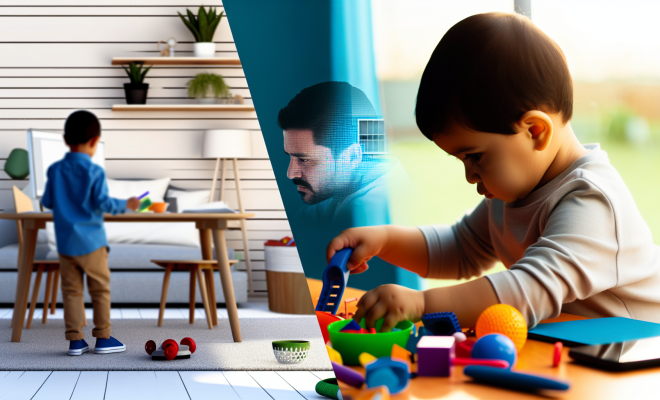
In the realm of parenting, the little things often go unnoticed. A dirty cup left on the desk, a bowl of cereal abandoned on the table, or toys strewn across the floor may seem trivial. However, these seemingly insignificant actions can have a profound impact on a child’s development, influencing their habits and behaviors as they grow. Understanding this connection is crucial for parents who wish to foster responsibility and discipline in their children.

Understanding the Broken Windows Theory

The Broken Windows Theory, a concept originally derived from social psychology and criminology, posits that visible signs of disorder and neglect can lead to more significant problems over time. If minor infractions are overlooked—like a dirty cup left unattended—children may come to accept disorder as the norm. This theory suggests that small acts of negligence can escalate into larger issues of irresponsibility and chaos.

Applying the Theory to Parenting

When parents allow minor messes to accumulate, they inadvertently send a message to their children: that such behaviors are acceptable. The implications of this can extend far beyond a cluttered desk. Over time, these small acts of neglect can contribute to a child’s growing sense of disorganization, procrastination, and lack of discipline.

The Cycle of Disorder

Let’s delve deeper into how this cycle of disorder can manifest in a child’s life:

  • Normalization of Chaos: When children see that minor messes are ignored, they may begin to internalize this as a standard way of living. Piling up dirty dishes or leaving clothes on the floor becomes a part of their daily routine.
  • Procrastination: The habit of putting off small tasks can lead to a larger tendency to procrastinate in more significant areas, such as homework or responsibilities. When children learn to defer minor chores, they may apply the same logic to more critical tasks.
  • Lack of Discipline: A cluttered environment can foster a cluttered mind. Children may struggle to focus on their studies or develop time management skills if their surroundings are chaotic.

Building Habits of Responsibility

So how can parents counteract these tendencies and instill a sense of responsibility in their children? Here are some actionable strategies:

Lead by Example

Children often imitate the behaviors of their parents. By maintaining an organized home and demonstrating responsible habits, parents can set a standard for their children to follow. Simple actions such as putting away your own dishes or keeping a tidy workspace can teach children the importance of responsibility.

Establish Clear Expectations

Communicating clear expectations is essential. Parents should discuss household responsibilities with their children, making it clear that everyone plays a part in maintaining a tidy living space. This conversation can also include the reasoning behind these expectations, helping children understand the value of orderliness.

Encourage Small Tasks

Start with small, manageable tasks to help children build a sense of responsibility. Encourage them to pick up their toys after playing or to bring their dishes to the sink after eating. Over time, these small actions will contribute to a habit of cleanliness and organization.

Positive Reinforcement

Recognizing and praising your child for their efforts in maintaining order can significantly boost their motivation. Positive reinforcement not only encourages them to repeat the behavior but also helps build their self-esteem.

The Long-term Impact of Small Habits

As children grow, the habits they form during their formative years can have lasting effects on their future. Fostering a sense of responsibility and discipline can lead to better academic performance, improved relationships, and greater success in their careers. Here’s how:

Academic Success

Students who learn to manage their responsibilities early on tend to perform better in school. The discipline of keeping their study area organized and completing assignments on time translates directly into academic achievement. A clutter-free environment promotes focus and enhances learning.

Healthy Relationships

Responsibility extends beyond personal habits; it also affects how children interact with others. Those who understand the importance of cleanliness and organization are likely to be more considerate of their peers, leading to healthier friendships and relationships.

Career Readiness

In the professional world, responsibility and organization are critical traits. Employers value employees who can manage their time effectively and maintain a tidy workspace. Teaching children these skills early on can prepare them for future professional success.

Common Pitfalls to Avoid

While instilling responsibility in children is essential, parents should also be aware of common pitfalls that may undermine their efforts:

  • Overwhelming Responsibilities: Assigning too many tasks at once can lead to frustration. Start small and gradually increase responsibilities as children become more comfortable with them.
  • Inconsistent Enforcement: Consistency is key. If parents occasionally ignore messes or responsibilities, children may become confused about expectations.
  • Lack of Patience: Developing habits takes time. Parents should be patient and understand that mistakes will happen along the way.

Conclusion

The small actions of our children, such as leaving a dirty cup on the desk, can hold more significance than we might initially realize. By understanding the implications of the Broken Windows Theory in the context of parenting, we can take proactive steps to instill habits of responsibility and discipline in our children. Through leading by example, establishing clear expectations, and encouraging small tasks, parents can help their children build a strong foundation for their future. Ultimately, these small actions can lead to significant changes, shaping responsible, successful adults.


Previous Article

University of Kansas Rankings Decline: A Shift ...

Next Article

Tata Steel & Google Cloud Partner for ...

Matthew Lynch

Related articles More from author

  • Uncategorized

    Harvard’s 75 Layoffs Are a Chilling Warning: Your Academic Career Isn’t Safe. Here’s How to Pivot.

    August 14, 2026
    By Matthew Lynch
  • Uncategorized

    Boost ELLs’ Language: Teaching Semantics in Elementary School

    June 15, 2026
    By Matthew Lynch
  • Uncategorized

    Social Media Addiction: $6M Verdict Opens Floodgates for Lawsuits

    July 24, 2026
    By Matthew Lynch
  • Uncategorized

    The Best (Free) Posters of STEM Women

    July 10, 2026
    By Matthew Lynch
  • Uncategorized

    Trump’s Hormuz Blockade: Global Trade & Regional Stability at Risk

    April 13, 2026
    By Matthew Lynch
  • Uncategorized

    Texas Tech Censorship Lawsuit 2026: Academic Freedom Under Threat

    July 9, 2026
    By Matthew Lynch

Search

Registration and Login

  • Log in
  • Entries feed
  • Comments feed
  • WordPress.org

Newsletter

Signup for The Edvocate Newsletter and have the latest in P-20 education news and opinion delivered to your email address!

RSS feed: Matthew on Education Week Matthew on Education Week

  • Au Revoir from Education Futures November 20, 2018 Matthew Lynch
  • 6 Steps to Data-Driven Literacy Instruction October 17, 2018 Matthew Lynch
  • Four Keys to a Modern IT Approach in K-12 Schools October 2, 2018 Matthew Lynch
  • What's the Difference Between Burnout and Demoralization, and What Can Teachers Do About It? September 27, 2018 Matthew Lynch
  • Revisiting Using Edtech for Bullying and Suicide Prevention September 10, 2018 Matthew Lynch

About Us

The Edvocate was created in 2014 to argue for shifts in education policy and organization in order to enhance the quality of education and the opportunities for learning afforded to P-20 students in America. What we envisage may not be the most straightforward or the most conventional ideas. We call for a relatively radical and certainly quite comprehensive reorganization of America’s P-20 system.

That reorganization, though, and the underlying effort, will have much to do with reviving the American education system, and reviving a national love of learning.  The Edvocate plans to be one of key architects of this revival, as it continues to advocate for education reform, equity, and innovation.

Newsletter

Signup for The Edvocate Newsletter and have the latest in P-20 education news and opinion delivered to your email address!

Contact

The Edvocate
910 Goddin Street
Richmond, VA 23230
(601) 630-5238
[email protected]
  • situs togel online
  • dentoto
  • situs toto 4d
  • situs toto slot
  • toto slot 4d
Copyright (c) 2026 Matthew Lynch. All rights reserved.