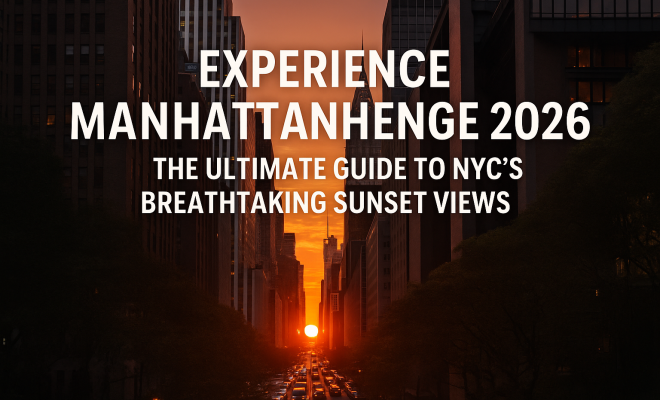
Manhattanhenge 2026: Your Guide to NYC’s Golden Sunset
“`html
Every year, New Yorkers eagerly anticipate a celestial event that transforms the city into a magical landscape bathed in golden light. Manhattanhenge 2026 is set to occur this weekend, July 11–12, during which the sun aligns perfectly with Manhattan’s east-west street grid. This isn’t just a sunset; it’s a phenomenon that draws massive crowds and inspires awe, creating a ‘hanging sun’ effect that captures the imagination of both residents and tourists.
1. What Is Manhattanhenge?
Manhattanhenge is a magical moment when the sun sets directly along the grid of Manhattan’s streets. This optical illusion occurs when the sun aligns with the streets in midtown and lower Manhattan, creating stunning visual effects. The phenomenon is named after Stonehenge, where the stones align with the sun on the summer solstice. In New York City, the dates for Manhattanhenge 2026 are July 11 and 12, marking the final occurrences of the year.
Renowned astrophysicist Neil deGrasse Tyson, who popularized the term, explains that the grid layout of Manhattan allows for this unique viewing experience. On these specific days, you can witness the sun glowing against the skyline, a sight that is both ephemeral and exhilarating. The event creates a sense of urgency among those who wish to experience the fleeting beauty of the sunset.
2. Why Does This Event Matter?
Beyond the stunning visuals, Manhattanhenge 2026 serves as a cultural touchstone for many. The event embodies the intersection of nature and urban life, showcasing how even in a bustling metropolis, one can find harmony with the cosmos. The allure of capturing the perfect photo at this moment draws thousands to the streets.
Moreover, the emotional aspect of experiencing something so transient speaks to a broader human experience. People often talk about the ‘fear of missing out,’ and this event encapsulates that feeling perfectly. Each sunset is a reminder that time is fleeting, and this shared moment of beauty can foster a sense of community among those witnessing it.
3. The Best Viewing Locations
If you’re planning to catch the stunning sunset during Manhattanhenge 2026, knowing where to go can enhance your experience. Several iconic spots provide the best views of this celestial event. The Brooklyn Bridge is a favored location, offering a sweeping view of the sunset as it dips behind the skyline. Photographers often flock here for the perfect shot.
Another excellent spot is the High Line, a linear park built on a historic freight rail line elevated above the streets on Manhattan’s West Side. Not only does it provide a unique perspective, but it also offers a space to relax and enjoy the ambiance of the city. Other locations include 14th Street, 42nd Street, and 34th Street, where the alignment is particularly striking.
4. Social Media Buzz: Why It Goes Viral
The visual spectacle of Manhattanhenge 2026 is almost tailor-made for social media. The images captured during this event often go viral, as people share their experiences on platforms like Instagram, Twitter, and TikTok. The phenomenon invites creativity; from skilled photographers framing the sun between skyscrapers to everyday New Yorkers capturing candid moments of awe, the excitement is palpable.
This viral sharing becomes a digital tapestry of collective experience. Hashtags associated with Manhattanhenge light up social media feeds, creating an online community that transcends geographic boundaries. The need to share this breathtaking view amplifies the event’s popularity and fosters discussions about the intersection of nature and urban life.
5. Preparing for the Event
To fully enjoy Manhattanhenge 2026, it’s crucial to plan ahead. Arriving early can make a considerable difference, especially at popular viewing spots. Expect crowds, and be ready to navigate through them. Bring your camera or smartphone, and prepare for the stunning views that await you.
Dress appropriately for the weather, as evenings in July can vary in temperature. Consider bringing a light jacket if you plan to stay out as the sun sets. Hydration is also essential; pack a bottle of water to keep yourself refreshed while waiting in anticipation for the golden glow against the skyline.
6. Possible Events and Gatherings
In celebration of Manhattanhenge 2026, New York City is hosting an exciting block party organized by the American Museum of Natural History (AMNH). This event amplifies engagement and offers a vibrant atmosphere to commemorate the sunset with fellow enthusiasts. Live music, food vendors, and educational booths make for a festive evening. (See: Learn more about Manhattanhenge.)
This gathering not only enhances the viewing experience but also fosters a sense of community among attendees. You can meet fellow astronomers, photographers, and casual observers who share a common interest in the beauty of the cosmos. Such events help amplify the cultural significance of Manhattanhenge, transforming it from a personal experience into a collective celebration.
7. Tips for Capturing the Perfect Photo
Photography enthusiasts strive to capture the enchanting moments of Manhattanhenge 2026. To achieve stunning visuals, consider a few essential tips. First, scout your location ahead of time to find the best angles and lighting for your shot. If you’re using a smartphone, make sure your camera lenses are clean to avoid any obstructions in your photos.
Using a tripod can stabilize your shots, especially as the light changes rapidly during the sunset. Experiment with different settings, such as adjusting the exposure to capture the vibrant colors of the sky. Don’t forget to take candid shots of people enjoying the moment, as they can add emotional depth to your photography portfolio.
8. The Science Behind Manhattanhenge
Understanding the science behind Manhattanhenge 2026 adds another layer of appreciation for the event. The alignment occurs because of the tilt of the Earth’s axis and the orbit of the Earth around the sun. As the sun sets, the angle makes it possible for it to appear framed by the city’s tall buildings, creating that iconic view.
Neil deGrasse Tyson highlights that in Manhattan, the streets are oriented in a precise grid pattern, making this phenomenon possible. Unlike other cities where such an alignment might not occur, New York City’s layout offers a unique opportunity to see the sun setting between skyscrapers, creating a breathtaking effect that is both beautiful and scientifically fascinating.
9. Final Thoughts on Manhattanhenge 2026
As Manhattanhenge 2026 approaches, the excitement builds in the city. This rare event invites us to pause and appreciate the beauty around us, even within the hustle and bustle of urban life. Whether you’re a local or a tourist, witnessing the sun set against the magnificent skyline is an experience not to be missed. It’s a moment where nature and architecture collide, offering a picture-perfect setting that will linger in your memory long after the sun has disappeared.
So, grab your friends, head to one of the viewing spots, and immerse yourself in the magic of Manhattanhenge. Capture the beauty, share your experiences, and create lasting memories under the brilliant glow of the setting sun. The countdown to this stunning celestial event has begun, and it promises to be nothing short of spectacular!
10. Historical Context of Manhattanhenge
Manhattanhenge isn’t just a modern phenomenon; it has historical roots that go back to when the city was laid out in its famous grid pattern. In the early 19th century, the Commissioners’ Plan of 1811 established the street grid we know today. The foresight in planning this layout meant that future generations would get to experience the unique celestial alignments that occur within the urban environment. This intersection of urban planning and astronomy speaks to the ingenuity of city designers who, perhaps unknowingly, created an opportunity for a stunning natural display.
The event has become a popular subject for urban photographers and artists. In 2010, Neil deGrasse Tyson mentioned that the term “Manhattanhenge” was coined to create awareness and appreciation for this astronomical occurrence. As social media grew, so did the awareness surrounding this event, leading to a significant increase in participants. Each year, more and more people come together to witness this spectacle, which is now a celebrated part of New York City culture.
11. Manhattanhenge and Its Influence on Arts and Culture
The visual splendor of Manhattanhenge 2026 has inspired countless artists, filmmakers, and musicians. The phenomenon has been depicted in paintings, photography exhibitions, and even featured in documentaries exploring urban life. Artists draw on the themes of transience and beauty, often capturing the moment the sun aligns perfectly with the cityscape.
Film directors have also used Manhattan’s unique skyline to capture the essence of the city. In movies where New York serves as the backdrop, moments reminiscent of Manhattanhenge can symbolize hope, change, or introspection. Musicians might find inspiration in the event’s beauty, creating songs that evoke the feelings associated with witnessing such a fleeting yet impactful moment.
Festivals and cultural gatherings often include photography competitions that celebrate the stunning visuals produced during Manhattanhenge, showcasing the best works that highlight the creativity sparked by this extraordinary event.
12. Fun Facts About Manhattanhenge
Did you know that Manhattanhenge occurs not just once but on four occasions a year? While the peak events happen in July, there are also occurrences around May and July for the sunset and December for the sunrise. This seasonal rhythm allows for various opportunities to experience the phenomenon.
Another interesting fact is that the best views depend on the specific date and time. On July 11, the sunset aligns with the street grid perfectly, whereas on July 12, the effect is slightly different but equally breathtaking. The exact timing varies, so checking local resources for the best times is essential. (See: The New York Times on Manhattanhenge.)
Despite the fascination with Manhattanhenge, few people know that the phenomenon can be observed in other cities with grid layouts—though none capture the essence of Manhattan quite like New York City does.
13. Frequently Asked Questions (FAQ)
What is the best time to view Manhattanhenge?
The best time to view Manhattanhenge 2026 will be around sunset, which occurs at approximately 8:30 PM on July 11 and 8:29 PM on July 12. Arriving at least an hour early is advisable to secure a good viewing spot and settle in for the event. (top school districts)
Can I see Manhattanhenge from anywhere in the city?
While you can technically see the sun set from many locations, specific streets like 14th Street, 34th Street, and 42nd Street offer the most stunning alignments. The higher buildings on these streets allow for a clear view of the sun framed between them.
Are there any guided tours for Manhattanhenge?
Yes, some local photography tours and astronomy groups host special guided events during Manhattanhenge. These tours can provide insights into the best viewing spots and tips for capturing the phenomenon on camera.
What should I bring to the event?
Essentials include a camera or smartphone for photography, comfortable shoes for walking, and a water bottle to stay hydrated. If you plan to stay into the night, a light jacket may come in handy.
Is there a backup plan if the weather is bad?
Weather can be unpredictable, so it’s wise to check forecasts ahead of time. If rain or clouds are expected, consider following social media feeds and local news for updates. Often, if the event can’t be safely viewed on the designated days, there might be alternate arrangements or discussions about rescheduling observations in the future.
How does Manhattanhenge compare to other solar events?
Unlike solar eclipses, which are rare and brief, Manhattanhenge provides a prolonged experience over two nights. While other cities may have similar phenomena, the context and view unique to Manhattan’s grid system create a distinctive experience that draws people together in celebration.
Can children attend the event?
Absolutely! Manhattanhenge 2026 is a family-friendly event, and children can enjoy the colorful skies as much as adults. It’s a great opportunity to teach them about astronomy and urban design.
Is there a fee to attend the event?
No, there are no fees associated with viewing Manhattanhenge. However, specific organized events or gatherings may have costs associated with activities, food, or entertainment.
What if I miss Manhattanhenge 2026?
Don’t worry too much if you miss out. While it’s a spectacular event, you can always mark your calendar for the next occurrences in December or May. Additionally, many photographers and participants share their captures online, allowing you to experience the beauty even if you weren’t there in person.
14. The Impact of Manhattanhenge on Tourism
Manhattanhenge has evolved into a significant attraction for both locals and tourists, often drawing crowds from across the globe. The event can be viewed as a microcosm of New York City’s ability to blend natural beauty with urban life. Various travel blogs and sites even recommend planning trips around Manhattanhenge, showcasing it as a must-see experience. (See: Scientific analysis of urban astronomy.)
According to a survey conducted by a local tourism board, over 50% of respondents indicated they would visit New York City specifically to experience this celestial event. This influx of visitors not only boosts local businesses but also fosters a sense of excitement in the city, as hotels, restaurants, and shops prepare for the crowds seeking to enjoy the unique spectacle.
Tour guides often incorporate Manhattanhenge into their offerings, educating visitors about the history and science behind the event while leading them to the best viewing locations. This synergy between astronomical phenomena and tourism illustrates how such events can enhance a city’s allure.
15. Manhattanhenge and Urban Development
The occurrence of Manhattanhenge has also sparked conversations about urban planning and development. As the city continues to evolve, there’s a growing emphasis on creating spaces that allow for similar astronomical experiences. City planners and architects are increasingly considering how new constructions might impact views of the sky and celestial events.
For instance, recent developments in the Hudson Yards area have been designed with sightlines in mind, ensuring that future generations can witness solar alignments just as those in the past have. This forward-thinking approach not only preserves the integrity of Manhattan’s iconic skyline but also enhances the quality of life for residents and visitors alike.
16. Manhattanhenge: A Gathering of Community
As much as Manhattanhenge is about the stunning visuals, it’s also about community. The event creates an opportunity for people to come together, share stories, and connect over a shared experience. Many individuals describe the thrill of witnessing the sunset alongside strangers, united by a collective appreciation for the beauty of their surroundings.
Community groups often use this occasion to organize activities that extend beyond simply watching the sunset. Some neighborhoods host barbecues, art displays, and live performances that bring together residents and visitors alike. This sense of camaraderie turns a simple astronomical event into a celebration of community spirit.
17. What’s Next for Manhattanhenge?
As Manhattanhenge continues to capture the hearts and imaginations of many, the future holds exciting possibilities. With advancements in photography and technology, people will find new ways to experience and share the event. Virtual reality could offer an avenue for those unable to attend in person, allowing them to feel immersed in the moment, even from afar.
Moreover, as awareness grows, so might the reach of Manhattanhenge. Future collaborations with schools and educational institutions may lead to greater participation among younger generations. Imagine field trips where students can learn about astronomy, urban design, and photography—all while witnessing the magic of Manhattanhenge.
With its unique blend of science, art, and community, the allure of Manhattanhenge is unlikely to fade anytime soon. As we approach Manhattanhenge 2026, it remains a symbol of beauty and connection amid the fast-paced city life.
“`
Trending Now
Frequently Asked Questions
What is Manhattanhenge and when does it occur?
Manhattanhenge is a unique phenomenon where the sunset aligns perfectly with Manhattan's east-west street grid, creating stunning visual effects. In 2026, it will occur on July 11 and 12, drawing crowds eager to witness this breathtaking event.
Why is Manhattanhenge important?
Manhattanhenge is significant as it represents the intersection of nature and urban life, showcasing how a bustling city can harmonize with celestial events. It also evokes a sense of urgency and shared experience, making it a cultural touchstone for many.
How can I best experience Manhattanhenge?
To best experience Manhattanhenge, choose a location along Manhattan's east-west streets, such as 14th, 23rd, or 42nd Street. Arrive early to secure a good spot, and prepare your camera to capture the breathtaking 'hanging sun' effect against the skyline.
What makes Manhattanhenge different from a regular sunset?
Unlike a regular sunset, Manhattanhenge creates a unique optical illusion where the sun aligns perfectly with the city's grid, resulting in a striking visual effect. This phenomenon is a fleeting moment that draws large crowds, making it a special event in NYC.
Who popularized the term Manhattanhenge?
The term 'Manhattanhenge' was popularized by renowned astrophysicist Neil deGrasse Tyson. He highlighted the event's significance and its unique alignment of the sun with Manhattan's street grid, helping to raise awareness and appreciation for this stunning visual phenomenon.
What did we miss? Let us know in the comments and join the conversation.