AI’s Double-Edged Sword: Entrepreneurship & Employment in 2024
Artificial intelligence (AI) is transforming the entrepreneurial landscape, enabling young innovators to launch successful startups with minimal initial investment. A prime example of this trend is TurboAI, co-founded by 21-year-olds Rudy Arora and Sarthak Dhawan, who began their journey with less than $300. Today, they boast a monthly revenue of $1 million, aided by their innovative platform that converts lecture notes into flashcards. This case highlights the potential for AI to empower a new generation of entrepreneurs and reshape the workplace.
The Rise of AI-Driven Startups
TurboAI is not an isolated success story. With the rise of AI technologies, many young entrepreneurs are leveraging these tools to create scalable businesses with relatively low startup costs. The convenience and efficiency that AI offers have made it easier for innovative minds to turn their ideas into profitable ventures.
According to recent analyses by Bank of America, small businesses have ramped up their technology spending, including investments in AI, by 14% year-over-year. This growth is particularly pronounced in the retail and manufacturing sectors, which have seen tech spending increase by over 25%. This trend indicates a significant shift as businesses prioritize productivity enhancements through technological advancements.
The Impact of AI on Employment
While the success stories of startups like TurboAI are encouraging, there is a darker side to the AI revolution. As AI technologies continue to evolve, they are also contributing to significant job cuts across various industries. In 2026, AI was implicated in approximately 8% of total job cuts, amounting to 12,304 layoffs announced across different sectors.
For example, Block Inc., a financial technology company co-founded by tech mogul Jack Dorsey, has faced scrutiny over its recent layoffs. The company has been caught in the crossfire of debates regarding the balance between over-hiring during periods of rapid growth and the efficiencies that AI can provide. As firms strive to optimize their operations through automation, the implications for the workforce grow increasingly concerning.
The Dichotomy of AI’s Influence
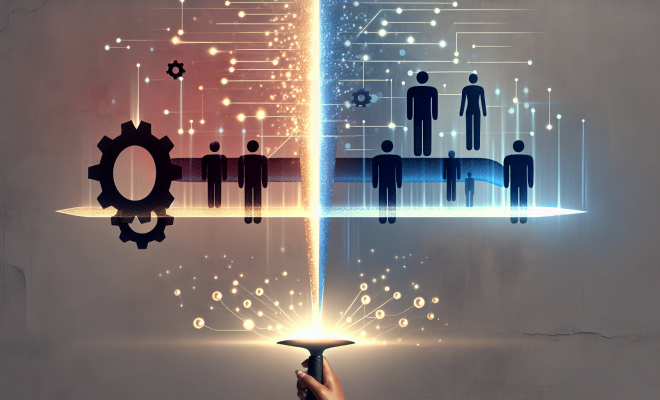
The situation paints a complex picture. On one hand, AI is an enabler of entrepreneurship, providing tools and resources that allow individuals to create and scale their businesses with unprecedented speed. On the other hand, the encroachment of AI into traditional job roles raises questions about the future of work and the security of existing employment opportunities.
With the efficiency of AI systems increasing, companies are finding themselves at a crossroads. They can either continue to invest in human capital or allocate resources toward AI technologies that promise to boost productivity and reduce costs. This dilemma is prompting a fundamental reevaluation of workforce strategies, particularly in sectors heavily impacted by automation.
Preparing for the Future of Work
In light of these developments, it is crucial for both aspiring entrepreneurs and the existing workforce to adapt to the changing landscape. Here are a few strategies to consider:
- Upskilling: Workers should focus on developing skills that complement AI technologies rather than compete with them. Skills in data analysis, machine learning, and AI management will be critical in the future job market.
- Entrepreneurial Mindset: Individuals should cultivate an entrepreneurial mindset, seeking opportunities to leverage AI in their own ventures. This could involve identifying gaps in the market that can be addressed through innovative applications of technology.
- Networking: Building connections within the tech and startup communities can provide invaluable insights and opportunities. Engaging with like-minded individuals can lead to collaborations and the sharing of resources.
Conclusion
The rise of AI presents both exciting opportunities and significant challenges for entrepreneurs and the workforce alike. As evidenced by the success of TurboAI, young innovators can harness AI to launch impactful businesses. However, as AI continues to reshape industries, it is imperative to address the accompanying employment repercussions. Balancing innovation with workforce sustainability will be key to navigating the future of work in an increasingly automated world.