K12 EdTech Market to Reach $96.5 Billion by 2030: Trends & Growth
Introduction
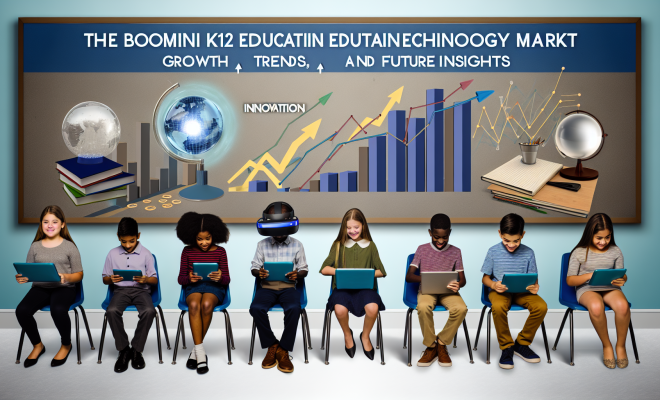
The landscape of K12 education is undergoing a transformative shift, driven by technological advancements that are reshaping how students learn and educators teach. The K12 education technology market is projected to experience remarkable growth, soaring from an estimated $31.99 billion in 2025 to $39.92 billion in 2026. By 2030, this market is expected to reach a staggering $96.5 billion, reflecting a compound annual growth rate (CAGR) of 24.8%.
Drivers of Growth in K12 EdTech
The rapid expansion of the K12 education technology market is fueled by several key factors:
- Increased Adoption of Digital Tools: Schools and educational institutions across the globe are increasingly turning to digital tools to enhance learning experiences. From interactive whiteboards to learning management systems, technology is becoming an integral part of the educational ecosystem.
- Advancements in Artificial Intelligence (AI): The integration of AI into educational technology is enabling personalized learning experiences. AI-driven platforms can adapt to individual student needs, providing tailored content and assessments that cater to diverse learning styles.
- Government Investments: Many governments are investing in educational technology infrastructure, recognizing its potential to improve educational outcomes. Funding for edtech initiatives is helping schools acquire the necessary tools and resources to implement technology effectively.
The Role of Personalization in Education
Personalized learning has emerged as a significant trend within the K12 education sector. Through the use of technology, educators can create customized learning paths for students, allowing them to progress at their own pace. This approach not only enhances student engagement but also improves retention and understanding of subject matter.
Benefits of Personalized Learning
- Increased Engagement: When students are able to learn at their own pace and focus on areas where they need improvement, they are more likely to stay engaged in the learning process.
- Improved Academic Performance: Personalized learning has been linked to better academic outcomes, as students receive targeted support that addresses their unique challenges.
- Enhanced Teacher Efficiency: Educators can use data and analytics to identify students’ strengths and weaknesses, allowing them to tailor their instruction and focus on areas that require more attention.
Challenges in K12 EdTech Implementation
Despite the promising growth of the K12 education technology market, several challenges remain:
- Equity in Access: Not all students have equal access to technology, particularly in underserved communities. Addressing the digital divide is crucial to ensure that all students can benefit from the advancements in educational technology.
- Training and Support: Teachers require adequate training and ongoing support to effectively integrate technology into their classrooms. Professional development programs must be in place to equip educators with the necessary skills.
- Data Privacy Concerns: The use of technology in education raises important questions about data privacy and security. Schools must implement robust policies to protect student information.
Future Trends in K12 Education Technology
As the K12 education technology market continues to evolve, several trends are likely to shape its future:
- Increased Use of Virtual and Augmented Reality: Virtual and augmented reality technologies are expected to gain traction in K12 education, providing immersive learning experiences that can enhance understanding and retention.
- Growth of EdTech Startups: The rise of innovative startups in the education technology space will continue to drive competition and lead to the development of new solutions that address the diverse needs of educators and students.
- Integration of Social-Emotional Learning: There is a growing recognition of the importance of social-emotional learning (SEL) in education. EdTech solutions that incorporate SEL principles will likely see increased adoption.
Conclusion
The K12 education technology market is on the cusp of significant growth, driven by advancements in technology, increased adoption of digital tools, and a focus on personalized learning. While challenges remain, the potential for educational technology to enhance learning experiences for students is immense. As we look toward the future, it is essential for educators, policymakers, and technology providers to work collaboratively to ensure that all students can benefit from the innovations shaping the landscape of K12 education.