Best & Worst Supermarket Greek Feta: Tried & Tasted
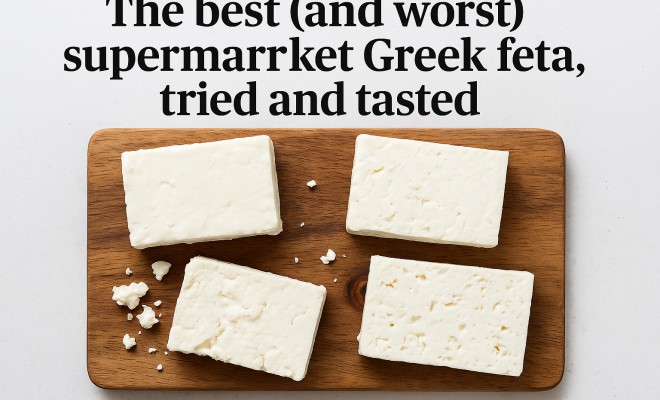
“`html
Greek feta cheese is a beloved staple in kitchens around the world. Its crumbly texture and tangy flavor make it a versatile ingredient in various dishes, from salads to pastries. But with so many brands on supermarket shelves, how do you know which ones are worth your hard-earned cash? In this article, we’ll explore the best and worst supermarket Greek feta options, offering practical insights and expert advice to help you make the best choice for your culinary adventures.
The Allure of Greek Feta
Feta cheese has a rich history that dates back to ancient Greece, where it was often made from sheep’s milk or a mixture of sheep and goat’s milk. This tradition has shaped its distinct flavor profile, characterized by a salty, tangy taste complemented by a creamy yet crumbly texture. Authentic feta is aged in brine, which intensifies its flavor and helps preserve it. The name “feta” is even protected by European Union law, ensuring that only cheese produced in specific regions of Greece can be labeled as such.
In recent years, the popularity of feta has soared, leading to a surge of supermarket Greek feta options. However, not all feta is created equal. Differences in sourcing, production methods, and ingredients can greatly affect the taste and quality of the product. With that in mind, let’s dive into what makes a great feta cheese and how to identify both the best and worst supermarket Greek feta.
What to Look for in Quality Feta
When shopping for supermarket Greek feta, several factors can help you discern the good from the bad. Keep these criteria in mind:
- Milk Source: Authentic Greek feta is made from sheep’s milk or a combination of sheep and goat’s milk. Check the label, as some brands use cow’s milk, which alters the flavor significantly.
- Texture: Quality feta should be creamy, yet crumbly enough to break apart easily. If it’s too mushy or overly dry, that’s a red flag.
- Brine Quality: Authentic feta is packed in brine, which preserves its freshness and flavor. A good feta should have a salty, tangy taste due to this brine.
- Ingredients List: Look for minimal ingredients. The best feta will have only milk, salt, and cultures. Avoid those with preservatives or artificial flavorings.
- Origin: Consider buying feta from producers that are certified by the PDO (Protected Designation of Origin) system, which guarantees authenticity.
The Best Supermarket Greek Feta Options
After extensive tasting and analysis, we’ve compiled a list of the top supermarket Greek feta brands that consistently deliver on flavor and quality.
1. Athenos Feta
Athenos offers a smooth, creamy texture and a tangy flavor that makes it a favorite among consumers. Their feta is made from cow’s milk but still captures the essence of traditional Greek flavors. It’s versatile for salads, sandwiches, and even grilling.
2. Dodoni Feta
Dodoni, a well-known brand from Greece, has a reputation for producing high-quality feta. Made from sheep’s milk, it has a robust flavor and a crumbly texture that stands up well in salads and baked dishes. Its brine solution enhances its freshness, keeping it tasting just like it came from the Mediterranean.
3. President Feta
President Feta is another excellent choice, offering a balanced flavor profile. This feta has a slightly softer texture but still crumbles easily. It’s a great addition to salads and pasta dishes, providing a delightful tang.
4. Mt. Vikos Feta
For those looking for a more artisanal option, Mt. Vikos feta is made using traditional methods. This brand uses sheep’s milk and is aged in brine, resulting in a rich, creamy taste with an authentic Greek profile. It’s a bit pricier but well worth it for special occasions. (See: Feta cheese history and regulations.)
The Worst Supermarket Greek Feta Options
While there are excellent choices available, some supermarket Greek feta brands fall short in flavor and quality. Here’s a rundown of those to avoid.
1. Galbani Feta
Galbani feta is one brand that has garnered criticism for its use of cow’s milk, which dilutes the authentic flavor profile. Many consumers find it overly salty and lacking in the rich taste associated with traditional Greek feta.
2. Crumbled Feta Brands
Several generic crumbled feta brands often found in supermarkets can be a disappointment. These options tend to use a mixture of milk sources and often lack the brine that keeps feta fresh. The resulting flavor is bland and unappealing, making them unsuitable for recipes that highlight feta’s unique taste.
3. Pre-Packaged Feta with Preservatives
Avoid supermarket feta that includes artificial preservatives or flavorings. These additives can mask the cheese’s natural flavors and may even contribute to an unpleasant texture. Always check the ingredient list and prioritize brands that use traditional production methods.
Tasting Tips: How to Enjoy Feta
Once you’ve selected a quality supermarket Greek feta, the next step is knowing how to use it. Here are some tips to bring out the best in this delicious cheese:
- Salads: Crumbled feta is a classic topping for Greek salads, but it also works well in grain bowls, pasta salads, or even atop roasted vegetables.
- Sandwiches and Wraps: Add feta to your favorite sandwich for a burst of flavor. It pairs well with roasted red peppers, olives, and greens.
- Baking: Feta can be incorporated into baked goods, such as spanakopita or savory muffins, to provide a delightful contrast to sweet flavors.
- Dips and Spreads: Blend feta with Greek yogurt, garlic, and herbs for a delicious dip that pairs perfectly with pita or fresh vegetables.
The Nutritional Value of Feta Cheese
Aside from its delectable taste, Greek feta also offers notable nutritional benefits, making it a sensible addition to your diet. Here’s what you can expect from a serving of feta:
- Protein: Feta is a good source of protein, which is essential for muscle repair and growth.
- Calcium: Like most cheeses, feta is rich in calcium, promoting strong bones and teeth.
- Vitamins and Minerals: Feta contains various vitamins, including B vitamins, which play a crucial role in energy metabolism.
- Low in Fat: Compared to other cheeses, feta is relatively lower in fat, making it a healthier option for those watching their calorie intake.
Storing Feta: Keeping It Fresh
Proper storage is key to maintaining the quality of your supermarket Greek feta. Here are some best practices:
- Brine Storage: If your feta comes in brine, keep it submerged in the liquid to maintain moisture and flavor.
- Refrigeration: Store feta in the fridge, ideally in an airtight container if it’s not already in brine.
- Freezing: While not recommended for all feta types, some brands can be frozen if you plan to use them in cooked dishes later. Keep in mind that freezing may alter the texture.
Consumer Feedback: What Do People Think?
Understanding consumer experiences with different supermarket Greek feta brands can provide valuable insights. Here’s a snapshot of what people are saying:
- Dodoni: Many users praise Dodoni for its authentic flavor and texture, often noting it’s their go-to brand for cooking and snacking.
- Athenos: While some appreciate Athenos for its versatility, others feel it lacks the depth of flavor associated with traditional feta.
- Galbani: As a commonly mentioned brand to avoid, consumers often cite its blandness and overly salty taste as reasons for disappointment.
Recipes to Elevate Your Feta Experience
Incorporating feta into your meals can be both delicious and simple. Here are a few recipes that highlight this versatile cheese:
Feta and Spinach Stuffed Chicken
This dish combines tender chicken breasts with a savory stuffing of feta, spinach, and herbs. (See: Food safety and cheese consumption.)
- Ingredients: 4 chicken breasts, 1 cup spinach (chopped), 1/2 cup feta cheese, 2 cloves garlic (minced), salt, and pepper to taste.
- Instructions: Preheat the oven to 375°F. In a bowl, mix spinach, feta, garlic, salt, and pepper. Cut a pocket in each chicken breast and stuff with the mixture. Place in a baking dish and bake for 25-30 minutes until the chicken is cooked through.
Greek Feta Dip
This creamy dip is perfect for parties or as a healthy snack.
- Ingredients: 1 cup feta cheese, 1/2 cup Greek yogurt, 1 clove garlic, juice of 1 lemon, olive oil, and fresh herbs (like dill or parsley).
- Instructions: In a food processor, combine all ingredients and blend until smooth. Serve with pita chips or fresh vegetables.
Exploring the Global Feta Market
The global demand for feta cheese has grown significantly, leading to variations in production styles and flavors worldwide. While traditional Greek feta remains the gold standard, many countries have started producing their own versions, impacting the market dynamics.
Feta Production Outside Greece
Countries like Bulgaria and Turkey also produce notable versions of feta. Bulgarian feta tends to be saltier and creamier, while Turkish feta is often denser and less tangy. These variations can provide unique flavor profiles that might appeal to different palates.
Trends in Feta Consumption
Feta’s versatility has made it a popular choice among consumers looking to elevate their culinary creations. As more people explore Mediterranean diets, the demand for feta continues to rise. In recent years, feta has been incorporated into everything from smoothie bowls to breakfast dishes, reflecting a shift towards healthier eating habits.
Frequently Asked Questions About Supermarket Greek Feta
1. Is all feta cheese the same?
No, not all feta cheese is the same. Authentic Greek feta is made from sheep’s milk and sometimes goat’s milk, while other brands may use cow’s milk, which affects the taste and texture.
2. How can I tell if feta is fresh?
Fresh feta should have a creamy texture and a tangy flavor. If it smells sour or has an off color, it may be spoiled.
3. Can feta cheese be eaten on its own?
Absolutely! Feta cheese can be enjoyed on its own as a snack, or as part of a cheese platter. It pairs wonderfully with olives, nuts, and fruits.
4. What’s the best way to crumble feta?
To crumble feta, use your fingers or a fork. It’s best to crumble it just before serving to maintain its freshness and texture.
5. How long does feta cheese last in the fridge?
Unopened feta can last several weeks in the fridge, while opened feta stored in brine can last around one month. Always check for signs of spoilage before consuming. (See: New York Times on feta cheese.)
The Role of Feta in Mediterranean Diet
Feta cheese plays a significant role in the Mediterranean diet, which is widely recognized for its health benefits. This diet emphasizes whole grains, fruits, vegetables, healthy fats, and lean proteins, making feta a perfect fit. Its unique flavor not only enhances dishes but also provides a source of calcium and protein.
Health Benefits of the Mediterranean Diet
Research has shown that the Mediterranean diet can contribute to heart health, weight management, and overall well-being. Incorporating feta into meals can add flavor without excessive calories. For instance, using feta to top a salad can help you feel fuller, cutting down on the desire for heavier dressings or toppings.
Feta and Heart Health
Studies suggest that moderate cheese consumption, including feta, may be associated with lower blood pressure and improved cardiovascular metrics. The key is moderation; enjoying feta as part of a balanced diet can amplify its health benefits.
Feta Cheese in Culinary Traditions
Feta is not just a cheese; it’s a cultural icon in many cuisines. In Greece, it’s often served as part of a meze platter alongside olives and crusty bread. In Turkey, it’s commonly used in breakfast spreads. The cheese also crosses creative borders, finding its way into dishes across various culinary traditions.
Global Variations
Countries like Egypt and Lebanon have their own interpretations of feta, often utilizing it in unique ways. For instance, in Egypt, feta might be spiced with herbs and served atop a warm salad. This adaptability showcases feta’s ability to complement a wide range of flavors and ingredients.
Final Thoughts: Elevating Your Culinary Experience with Feta
Choosing the right supermarket Greek feta can make all the difference in your dishes. With the right knowledge and a willingness to experiment, you can find the perfect feta that adds a burst of flavor to your meals. Whether you opt for a traditional brand like Dodoni or a more widely available option like Athenos, the key is to focus on quality and authenticity. Next time you’re at the supermarket, keep these insights in mind, and you’ll be well on your way to feta perfection!
“`
Trending Now
- Best Table of Contents Template Examples for Microsoft Word
- the complete explanation
- Best Electric Lawnmower Deals: Save on Ryobi, Sun Joe, Makita, Greenworks and More
- this guide on the 10 best math tutors near me (for all ages & levels)
- this guide on best mba programs: top business schools for aspiring professionals
Frequently Asked Questions
What should I look for when buying Greek feta cheese?
When buying Greek feta cheese, look for the milk source, preferably sheep's milk or a mix of sheep and goat's milk. Check the texture; it should be creamy and crumbly, not mushy or dry. Also, consider the brine quality, as authentic feta is aged in brine for enhanced flavor.
How can I tell if feta cheese is authentic?
To determine if feta cheese is authentic, check the label for the milk source; true Greek feta should be made from sheep's milk or a mix with goat's milk. Additionally, authentic feta is protected by EU law, so look for certifications or designations indicating its origin.
What makes Greek feta different from other types of feta?
Greek feta is distinct due to its traditional production methods, primarily using sheep's milk or a blend with goat's milk, which imparts a unique salty and tangy flavor. Its aging process in brine also contributes to its characteristic creamy yet crumbly texture, setting it apart from other varieties.
Is all feta cheese the same?
No, not all feta cheese is the same. The quality can vary significantly based on milk source, production methods, and ingredients. Authentic Greek feta is made from sheep's milk or a mix of sheep and goat's milk, while some supermarket brands may use cow's milk, altering the flavor.
How can I store feta cheese to keep it fresh?
To keep feta cheese fresh, store it in its brine in an airtight container to maintain moisture and flavor. If your feta is not packed in brine, you can create a simple brine solution with water and salt. Always keep it refrigerated and consume it within a few weeks for the best taste.
Agree or disagree? Drop a comment and tell us what you think.