IB Diploma: Master the Extended Essay & CAS Requirements
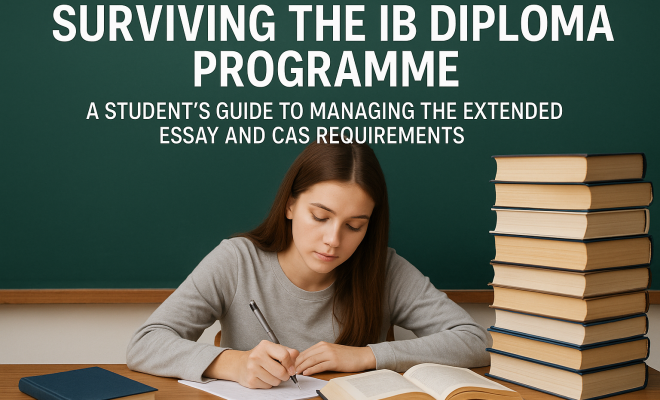
“`html
The International Baccalaureate (IB) Diploma Programme is a rigorous educational framework designed for students aged 16 to 19. Known globally for its high academic standards, the program encourages students to think critically, challenge assumptions, and develop a well-rounded skill set. Among its various components, the Extended Essay (EE) and the Creativity, Activity, Service (CAS) requirements are two vital elements that students must navigate. This IB Diploma Programme guide will help you manage these components effectively, ensuring you not only survive but thrive throughout your IB experience.
1. Understanding the IB Diploma Programme
The IB Diploma Programme is structured around six subject groups, including Language and Literature, Individuals and Societies, and Experimental Sciences. Students are required to take three subjects at higher level (HL) and three at standard level (SL), in addition to completing the core requirements of the Extended Essay, Theory of Knowledge (TOK), and CAS. The program is well-respected by universities globally, often leading to advanced placement or college credit for IB graduates.
One of the unique aspects of the IB is its emphasis on developing not just academic knowledge but also personal growth. The CAS component, for instance, encourages students to engage in activities outside the classroom that foster creativity, physical activity, and community service. This holistic approach prepares students for the challenges they will face in higher education and beyond.
2. What is the Extended Essay?
The Extended Essay is a substantial piece of independent research, culminating in a 4,000-word paper that allows students to explore a topic of interest within the framework of one of their IB subjects. It is an opportunity for students to engage in deep academic inquiry, develop research skills, and enhance their critical thinking abilities.
Choosing a topic for the Extended Essay can be daunting. It’s essential to select a subject that not only interests you but also allows for a clear research question. Consider what subjects resonate with you and how you can formulate a question that is both specific and manageable. Remember, the goal is not just to write a paper but to delve into a subject that sparks your curiosity.
3. Crafting Your Research Question
Your research question is the heart of your Extended Essay. It needs to be clear, focused, and researchable within the confines of the 4,000-word limit. Start by brainstorming general ideas related to your subject area, then narrow it down to a specific aspect that interests you.
Once you have a potential question, seek feedback from your supervisor or peers. They can provide valuable insights and help refine your question. Additionally, consider the availability of sources and data, as your ability to answer your research question will depend on the resources at your disposal.
4. Structuring the Extended Essay
A well-structured Extended Essay is crucial to presenting your argument and findings clearly. The typical structure includes an introduction, body, and conclusion. In the introduction, outline your research question and the significance of your topic. The body should be divided into clear sections that explore different aspects of your research. Finally, the conclusion should summarize your findings and reflect on the implications of your research.
Don’t forget to include citations and a bibliography. Proper referencing not only lends credibility to your work but also helps you avoid plagiarism. Familiarize yourself with the required citation style, whether it’s APA, MLA, or another format, and be consistent throughout your essay.
5. Time Management for the Extended Essay
One of the most significant challenges students face in the IB Diploma Programme is managing their time effectively. The Extended Essay is no exception. Start early, preferably in your second year of the diploma, and establish a timeline for your research and writing process. Break down the tasks into manageable steps, such as researching, outlining, drafting, and revising. (See: U.S. Department of Education on IB.)
Consider using tools like calendars or project management apps to keep track of deadlines and milestones. Setting small, achievable goals can help make the process less overwhelming. Additionally, regularly meeting with your supervisor can provide accountability and ensure you’re on the right track.
6. Understanding the CAS Requirements
CAS, which stands for Creativity, Activity, Service, is one of the core components of the IB Diploma Programme. It requires students to engage in a range of extracurricular activities that promote personal and interpersonal development. The aim is to foster a sense of responsibility and engagement with the community.
Each student must complete a minimum of 150 hours of CAS activities over the two years of the program, with at least one activity in each of the three categories. This requirement encourages students to step outside their comfort zones and explore their interests, whether it’s through artistic pursuits, physical challenges, or community service.
7. Choosing CAS Activities
Selecting the right CAS activities is crucial for not only fulfilling the requirements but also for personal growth. Think about what you enjoy and how you can push yourself to try new things. You might consider joining a sports team, volunteering at a local charity, or taking up a new hobby such as painting or music.
It’s essential to keep track of your activities and reflect on your experiences. Reflection is a key component of CAS, as it allows you to consider what you’ve learned and how you’ve grown from each experience. Consider keeping a journal or digital log to document your thoughts and insights.
8. Integrating CAS with the IB Curriculum
One of the unique features of the CAS program is its integration with the academic curriculum. Many students find that their CAS experiences can complement their academic studies. For example, a student interested in environmental science might engage in a service project focused on sustainability, allowing them to apply what they’ve learned in the classroom to real-world issues.
Furthermore, the skills developed through CAS can enhance your performance in the Extended Essay and other academic areas. Skills such as critical thinking, problem-solving, and effective communication are invaluable in both CAS and academic pursuits. This intersection enriches your overall IB experience, making your time in the program more cohesive and impactful.
9. Overcoming Challenges in the IB Diploma Programme
The IB Diploma Programme is undoubtedly demanding, and students often face various challenges. Balancing coursework, the Extended Essay, and CAS requirements can feel overwhelming at times. It’s essential to recognize the importance of self-care during this period. Make sure to schedule time for rest, relaxation, and social activities.
Developing a support system is also crucial. Connect with classmates who are going through similar experiences, share tips, and encourage one another. Don’t hesitate to reach out to teachers or counselors for guidance. They can provide valuable resources and help you navigate the challenges of the program.
10. The Importance of Reflection and Feedback
Reflection is a core component of both the Extended Essay and CAS. It provides an opportunity to assess your learning and experiences critically. Regularly taking the time to reflect on your progress and challenges can help you identify areas for improvement and celebrate your achievements.
Seeking feedback is equally important. Whether it’s from peers, supervisors, or mentors, constructive criticism can provide new perspectives and insights that enhance the quality of your work. Embrace feedback as a tool for growth and use it to refine your research, writing, and CAS experiences. (See: New York Times on IB Diploma.)
11. Frequently Asked Questions (FAQ)
What is the IB Diploma Programme, and who is it for?
The IB Diploma Programme is an internationally recognized educational curriculum for students aged 16 to 19. It is designed for motivated students who seek a challenging academic experience that promotes critical thinking, intercultural understanding, and a global perspective.
How do I choose my IB subjects?
Choosing IB subjects should align with your interests, potential career paths, and university requirements. Consider what subjects you enjoy and excel in, and consult with teachers and career advisors to make informed decisions.
What is the role of the supervisor in the Extended Essay process?
Your supervisor plays a crucial role in guiding you through the Extended Essay. They provide support in selecting a topic, refining your research question, and offering feedback on your drafts. Regular meetings with your supervisor are essential for a successful essay.
How can I effectively manage my time during the IB Diploma Programme?
Time management is key in the IB Diploma Programme. Create a detailed schedule, break tasks into smaller steps, and prioritize your workload. Regularly assess your progress and adjust your timelines as necessary. Tools like planners and apps can help keep you organized.
What types of CAS activities can I engage in?
CAs activities can be diverse and tailored to your interests. They include sports, arts, community service projects, and more. The important thing is to ensure a balance between creativity, activity, and service, and that you reflect on your experiences meaningfully.
How does the IB Diploma Programme prepare students for university?
The IB Diploma Programme develops skills such as critical thinking, independent research, and time management, which are essential for success in university. Moreover, the emphasis on interdisciplinary learning and global awareness fosters a well-rounded perspective that is valuable in higher education.
Can I retake exams if I don’t get the grades I want?
Yes, students can retake exams for subjects in which they did not achieve their desired grades. However, it’s important to check the specific policies of the IB organization and your school regarding retakes, as these may vary.
What are the benefits of completing the IB Diploma Programme?
Completing the IB Diploma Programme can lead to several benefits: recognition by universities worldwide, potential for advanced placement or college credit, and the development of skills that are advantageous in academic and professional settings. Many students find that the program enhances their college applications and prepares them well for the rigors of university life.
12. Tips for Success in the IB Diploma Programme
Success in the IB Diploma Programme often comes down to a combination of hard work, strategic planning, and maintaining a balanced life. Here are some tips to help you excel:
- Stay Organized: Use binders or digital tools to keep track of assignments, deadlines, and resources for each subject.
- Engage with Your Community: Being involved in community service not only fulfills CAS requirements but also enriches your understanding of global issues.
- Collaborate with Peers: Group studies can be incredibly beneficial. Discussing complex topics with classmates can enhance your understanding and retention of the material.
- Pace Yourself: Avoid cramming by establishing a consistent study schedule. Regular review and practice can lead to better retention and understanding.
- Utilize Online Resources: Numerous educational platforms offer resources specifically designed for IB students. These can provide additional support and enhance your learning experience.
13. The Global Impact of the IB Diploma Programme
The IB Diploma Programme is not only significant for individual students; it also has a wider impact on the global education landscape. The program promotes a vision of education that transcends national boundaries and cultivates an appreciation for cultural diversity. With over 1.5 million students enrolled in IB programs worldwide, the influence of the IB is undeniable. Schools adopting the IB framework benefit from a curriculum that emphasizes inquiry-based learning and critical thinking, preparing students to be active, compassionate, and lifelong learners.
Furthermore, the IB Diploma Programme aligns with the United Nations Sustainable Development Goals (SDGs), particularly in promoting quality education and fostering global citizenship. The program encourages students to engage with global issues, ensuring they are not only aware of the complexities of the world but also equipped to contribute positively.
14. Future of the IB Diploma Programme
As education continues to evolve, the IB Diploma Programme is also adapting to meet the needs of future learners. With the increasing integration of technology in education, IB schools are exploring ways to incorporate digital learning tools and online resources into their curriculum. This evolution helps prepare students for a rapidly changing world while maintaining the program’s core values of critical thinking and intercultural understanding.
In addition, as globalization expands, the demand for IB graduates who can think critically and act responsibly on an international stage is likely to grow. This shift indicates that the IB Diploma Programme will remain a valuable asset for students seeking to navigate the complexities of modern society and the global workforce.
15. Common Misconceptions About the IB Diploma Programme
Many students and parents have preconceived notions about the IB Diploma Programme that may not be entirely accurate. Here are some common misconceptions:
- It’s Only for High Achievers: While the IB does attract motivated and academically strong students, it’s designed to challenge all learners. Different students may excel in different aspects of the program, regardless of their prior academic performance.
- IB is Too Rigid: Some believe that the IB curriculum doesn’t allow for flexibility. In reality, students have the freedom to choose subjects that align with their interests, and creativity is encouraged, especially in projects like CAS and the Extended Essay.
- IB Will Overwhelm You: The rigorous nature of the IB can be intimidating, but with good time management and support, students can effectively manage their workload. Many find that the skills they develop in the process prepare them well for future academic challenges.
- All IB Schools Are the Same: Each IB school may implement the program differently, tailoring it to their community and the needs of their students. Researching individual schools can help you find the best fit.
16. Benefits Beyond Academics
Completing the IB Diploma Programme provides students with more than just academic qualifications. It cultivates skills that are valuable in everyday life and future careers. Here are a few key benefits:
- Critical Thinking: The program encourages students to analyze information, question assumptions, and develop well-reasoned arguments.
- Communication Skills: Through presentations, essays, and discussions, students learn to articulate their ideas clearly and effectively.
- Research Skills: The Extended Essay and TOK require students to conduct thorough research, which is a critical skill in both academic and professional settings.
- Global Perspective: The emphasis on intercultural understanding helps students appreciate and respect diverse viewpoints, preparing them for a globalized world.
Surviving the IB Diploma Programme requires dedication, time management, and a proactive approach to your studies. By effectively managing your Extended Essay and CAS requirements, you can maximize your learning experience and prepare yourself for future academic pursuits. Remember, the journey through the IB is as important as the destination, so embrace every opportunity to learn and grow.
“`
Trending Now
- the complete explanation
- this guide on the relationship between object permanence and cognitive development in infants
- How ADHD Affects Executive Function and Emotional Regulation in High School
- the complete explanation
- this guide on how scaffolding supports english language learners in elementary school
Frequently Asked Questions
What is the IB Diploma Programme?
The IB Diploma Programme is an educational framework for students aged 16 to 19, emphasizing critical thinking and personal growth. It includes six subject groups and core components like the Extended Essay, Theory of Knowledge, and CAS, preparing students for university and beyond.
What is the Extended Essay in the IB?
The Extended Essay is a 4,000-word independent research project that allows IB students to explore a topic of interest within their chosen subject. It fosters deep academic inquiry and enhances research and critical thinking skills.
What are CAS requirements in the IB Diploma Programme?
CAS, or Creativity, Activity, Service, is a core requirement of the IB Diploma Programme. It encourages students to engage in extracurricular activities that promote creativity, physical activity, and community service, supporting personal growth alongside academic achievements.
How can I manage my Extended Essay effectively?
To manage your Extended Essay effectively, start by choosing a topic that interests you, create a timeline for research and writing, seek guidance from your supervisor, and regularly review your progress to stay on track.
Why is the IB Diploma Programme respected by universities?
The IB Diploma Programme is respected by universities worldwide due to its rigorous academic standards and holistic approach to education, which prepares students for the challenges of higher education and often leads to advanced placement or college credit.
What’s your take on this? Share your thoughts in the comments below — we read every one.