DESI Maps 47 Million Galaxies: A 3D Universe Unveiled
The Dawn of a New Era in Cosmology
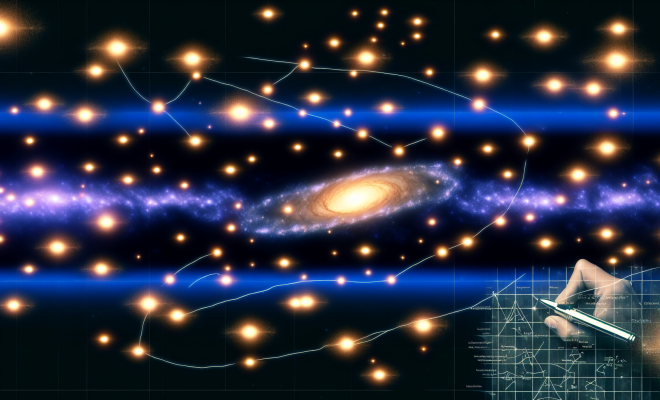
In a groundbreaking achievement, scientists have successfully completed the largest high-resolution 3D map of the universe, capturing data from over 47 million galaxies and quasars, in addition to 20 million stars. This monumental project was undertaken by the Dark Energy Spectroscopic Instrument (DESI), which has operated efficiently for five years, finishing ahead of schedule with more data than initially anticipated. The implications of this extensive mapping endeavor are profound, particularly in the quest to understand dark energy, a mysterious force that constitutes approximately 70% of the universe and is responsible for its accelerated expansion.
The Dark Energy Spectroscopic Instrument: An Overview
The Dark Energy Spectroscopic Instrument, or DESI, is a cutting-edge astronomical instrument designed to investigate the enigmatic nature of dark energy. Located at the Kitt Peak National Observatory in Arizona, DESI is equipped with advanced spectroscopic capabilities that allow it to observe and analyze vast swathes of the night sky.
Key Features of DESI
- Wide-field survey: DESI can capture the light from millions of celestial objects simultaneously.
- High precision: Its spectrographs analyze the light from these objects to determine their redshift, helping to understand how far away they are.
- Comprehensive data collection: Over the course of its operation, DESI has recorded an unprecedented amount of data that is now being utilized in the creation of the 3D cosmic map.
The Creation of the 3D Cosmic Map
The construction of this detailed 3D map represents a significant leap forward in our understanding of the universe. The mapping process was meticulous and involved several key steps:
- Data Collection: Over five years, DESI collected data from millions of galaxies, quasars, and stars.
- Data Processing: Advanced algorithms were employed to process this data, ensuring that the measurements were accurate and reliable.
- Visualization: The final product is a detailed 3D representation of the universe, allowing scientists to visualize the distribution and structure of cosmic matter.
Insights into the Universe’s Structure and Evolution
According to Paul Martini, a professor of astronomy at The Ohio State University and an instrument scientist for DESI, the initial measurements from this 3D map have already provided new insights into the structure and evolution of the universe over time. This groundbreaking mapping will enable scientists to:
- Investigate the large-scale structure of the universe.
- Analyze the distribution of galaxies and how they cluster.
- Examine the expansion of the universe and the role of dark energy in this process.
The Mystery of Dark Energy
Dark energy remains one of the most significant mysteries in modern cosmology. This elusive force is believed to be responsible for the accelerated expansion of the universe, a phenomenon that has puzzled scientists since its discovery in the late 1990s. While dark energy is thought to make up a substantial portion of the cosmos, its exact nature remains unknown.
Current Theories on Dark Energy
Several theories have been proposed to explain dark energy, including:
- Cosmological Constant: First proposed by Albert Einstein, this theory suggests that dark energy is a constant energy density filling space homogeneously.
- Quintessence: This theory posits that dark energy is dynamic and can change over time, potentially varying in strength throughout the universe’s history.
- Modified Gravity: Some scientists propose that our understanding of gravity may need modification at cosmological scales to account for the effects attributed to dark energy.
Implications for Future Research
The completion of the 3D map is not just a remarkable scientific milestone; it also sets the stage for future research into dark energy and the overall structure of the universe. As more data is collected and analyzed, researchers will be able to:
- Test existing theories of dark energy against observational data.
- Develop new models of cosmic evolution based on the insights gained from the map.
- Enhance our understanding of the fundamental forces that shape the universe.
Conclusion: A New Chapter in Cosmology
The successful completion of the largest high-resolution 3D map of the universe marks a significant milestone in cosmology, providing unprecedented insights into the structure and evolution of the cosmos. With the data collected by the Dark Energy Spectroscopic Instrument, scientists are poised to unravel the mysteries of dark energy, potentially transforming our understanding of the universe and its origins.
As we look to the future, the implications of this research extend beyond theoretical physics, influencing various fields, including astronomy, astrophysics, and even philosophy, as we grapple with questions about our place in the cosmos.
The journey to decode the secrets of dark energy has just begun, and with the help of the DESI’s comprehensive cosmic map, we are one step closer to unveiling the mysteries of the universe.