Putin & Trump Discuss Iran & Ukraine Amidst Tensions
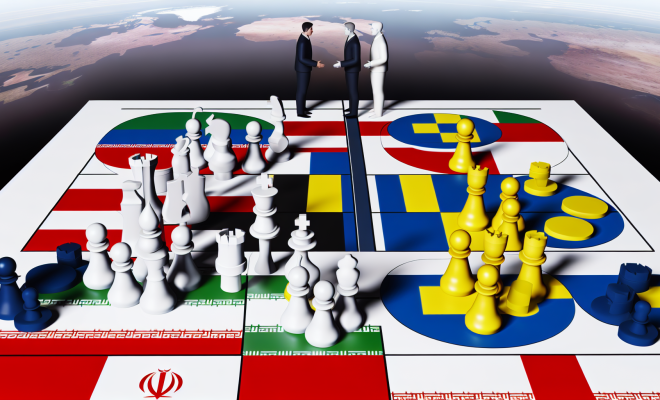
In a high-stakes phone call that underscores the complexities of international relations, Russian President Vladimir Putin and U.S. President Donald Trump engaged in a vigorous discussion regarding the ongoing tensions in Iran and the conflict in Ukraine. The conversation, which took place amidst a fragile ceasefire agreement, reflects the intricate balance of power and diplomacy that defines the current geopolitical landscape.
The Context of the Call
The call between Putin and Trump took place at a critical juncture. With Iran facing increased pressure from the United States, the conversation was laden with implications for both regional stability and international diplomacy. Trump had recently announced an extension of the ceasefire with Iran, a move that seemed to align with Putin’s stance, yet the Russian leader delivered a stark warning against further military actions.
Putin’s Warning to Trump
During the call, Putin issued a clear and emphatic warning: “If you attack Iran again…” This statement encapsulates the Russian leader’s serious approach towards U.S. military actions in the region. The warning was not merely a rhetorical flourish; it served as a reminder of the potential escalation that could ensue from renewed hostilities. Putin emphasized that any further attacks could lead to dire consequences, a sentiment that reflects Russia’s strategic interests in Iran.
Ceasefire and Diplomacy
The context of the ceasefire extension is crucial. As tensions flared in the Middle East, the U.S. had been engaging in military posturing against Iran, which has long been a point of contention between the two nations. Trump’s decision to extend the ceasefire is viewed as a diplomatic gesture aimed at stabilizing the situation, but it also reflects the pressures of international diplomacy, where the stakes are high.
Russia’s Position on Iran
Russia has consistently positioned itself as Iran’s ally in the geopolitical arena. The Kremlin has expressed its commitment to supporting Iran amid U.S. sanctions and military threats. Putin’s warning to Trump can be seen as a reaffirmation of this alliance, signaling to the U.S. that any aggressive actions against Iran would not only undermine regional stability but could also provoke a response from Russia.
The Role of Yuri Ushakov
In the aftermath of the call, Kremlin diplomatic advisor Yuri Ushakov confirmed the details, shedding light on the discussions surrounding Iran’s enriched uranium. Ushakov indicated that Putin had offered assistance in managing Iran’s nuclear materials as part of a broader effort to negotiate a potential nuclear deal. This offer reflects Russia’s strategic interests in maintaining influence in Iran and ensuring that any nuclear developments adhere to international agreements.
The Situation in Ukraine
While the main focus of the call was on Iran, the situation in Ukraine loomed large in the background. The ongoing conflict in Ukraine has strained U.S.-Russia relations and remains a contentious issue. Trump and Putin’s dialogue on this topic is pivotal, as both nations navigate a complex web of alliances and hostilities.
Geopolitical Implications
The implications of the call extend beyond Iran and Ukraine. The U.S. and Russia are at a crossroads, with each leader attempting to assert their nation’s influence on the global stage. The delicate nature of their relationship means that any misstep could have far-reaching consequences, not just for the countries involved but for international stability as a whole.
International Reactions
Reactions to the call have been mixed, with analysts and political commentators weighing in on the potential outcomes of this diplomatic engagement. Some view Trump’s willingness to extend the ceasefire as a positive step towards de-escalation, while others express skepticism regarding Russia’s true intentions.
Support for Ceasefire
- Diplomatic Engagement: Many experts argue that extending the ceasefire is a necessary move to open lines of communication and reduce the risk of military confrontation.
- Regional Stability: A ceasefire could pave the way for broader negotiations involving not just the U.S. and Iran, but also key regional players.
- Public Perception: Trump’s decision to engage with Putin positively may also influence public perception regarding his administration’s foreign policy approach.
Skepticism and Criticism
- Russia’s True Motives: Critics remain wary of Russia’s intentions, suggesting that Putin’s assurances may be self-serving.
- Long-Term Effects: There are concerns about the long-term ramifications of U.S. concessions and what they mean for U.S. credibility in the region.
- Domestic Politics: The political landscape in both countries could impact how agreements are perceived and implemented.
Future Diplomatic Efforts
As the world watches closely, the potential for further diplomatic efforts remains. The dialogue between Trump and Putin may serve as a foundation for future negotiations, particularly regarding Iran’s nuclear program. The emphasis on cooperation could lead to a more stable regional environment, but it also requires careful navigation of the complex geopolitical terrain.
Next Steps for U.S.-Russia Relations
- Continued Dialogue: Maintaining open channels of communication will be essential in addressing the multifaceted issues at play.
- Multilateral Engagement: Involving other stakeholders in discussions could enhance the credibility and effectiveness of any agreements reached.
- Monitoring Compliance: Both nations will need to ensure that any agreements are monitored and adhered to, to avoid misunderstandings.
Conclusion
The call between Putin and Trump illustrates the intricate dance of diplomacy that characterizes U.S.-Russia relations. With the specter of military conflict always looming, the extension of a ceasefire represents a cautious step toward stability. However, the road ahead is fraught with challenges, and both leaders must navigate their respective domestic and international pressures carefully.
As the geopolitical landscape continues to evolve, the outcomes of this dialogue will be closely scrutinized. The world watches as these two leaders balance their nations’ interests against the backdrop of a complex and often volatile global stage.