NASA’s 2026 Vision: Permanent Moon Base & Nuclear Mars Missions
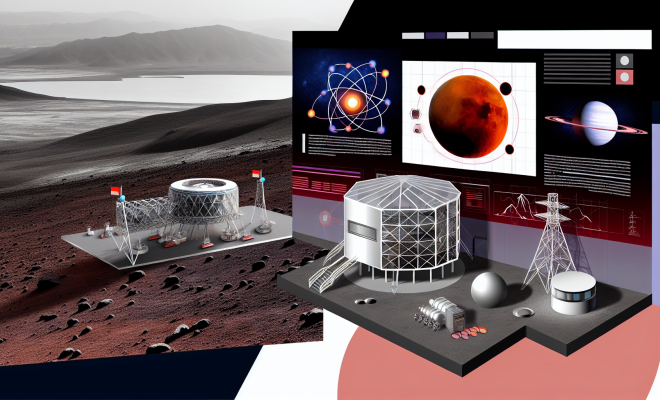
On March 28, 2026, NASA unveiled a transformative strategy that could redefine human exploration of space. The agency announced plans to establish a permanent base on the Moon and develop nuclear-powered rockets aimed at facilitating missions to Mars. This ambitious initiative underscores NASA’s commitment to long-term lunar presence while also accelerating the timeline for interplanetary travel.
A Permanent Presence on the Moon
The first component of NASA’s new strategy focuses on creating a sustainable human presence on the Moon. This lunar base will serve as a critical hub for scientific research, technology testing, and preparation for future missions to Mars. By establishing a permanent foothold on the Moon, NASA aims to leverage its resources and environment to advance various aspects of space exploration.
Benefits of a Lunar Base
- Research Opportunities: The Moon’s low gravity and unique geological features offer a prime location for scientific experiments that are not possible on Earth.
- Resource Utilization: The lunar surface contains valuable resources, such as water ice, which can be converted into fuel and oxygen, supporting long-duration missions.
- Testing Ground: The Moon serves as an ideal environment to test technologies and systems necessary for Mars exploration.
NASA’s lunar base is anticipated to host astronauts continuously, enabling them to conduct extended research missions. This long-term commitment to lunar exploration represents a shift from the traditional approach of short-duration missions, aiming to establish a more profound understanding of our nearest celestial neighbor.
Nuclear-Powered Rockets: Revolutionizing Travel to Mars
The second aspect of NASA’s new direction involves the development of nuclear-powered rockets. This groundbreaking technology promises to revolutionize space travel by significantly reducing the time it takes to reach Mars. Traditional chemical rockets, while effective, are limited in their efficiency and speed. In contrast, nuclear propulsion systems could enable faster journeys, minimizing the risks associated with long-duration space missions.
Advantages of Nuclear Propulsion
- Reduced Travel Time: Nuclear rockets could shorten the journey to Mars from several months to just a few weeks, greatly enhancing mission feasibility.
- Increased Payload Capacity: The efficiency of nuclear propulsion allows for heavier payloads, enabling the transport of more supplies and equipment.
- Enhanced Safety: Shorter travel times reduce astronauts’ exposure to space radiation and other hazards.
This innovative propulsion technology could facilitate not only crewed missions but also support the delivery of cargo and scientific instruments to Mars. By combining a lunar base with advanced propulsion systems, NASA aims to create a comprehensive framework for exploring and potentially colonizing the Red Planet.
The Path Forward
Nasa’s announcement represents a significant shift in the agency’s approach to space exploration. The Moon, once viewed primarily as a stepping stone, is now positioned as a vital cornerstone of humanity’s journey to Mars. This strategy reflects a holistic view of exploration, where each element supports and enhances the other.
International Collaboration
As NASA embarks on this ambitious new direction, international partnerships will play a crucial role. Collaborative efforts with other space agencies, such as the European Space Agency (ESA) and the Japan Aerospace Exploration Agency (JAXA), are essential for sharing knowledge, resources, and expertise. These collaborations not only enhance mission capabilities but also foster a global interest in space exploration.
Public Engagement and Education
NASA’s renewed focus on lunar and Martian exploration also emphasizes the importance of public engagement. By inspiring the next generation of scientists, engineers, and explorers, the agency aims to cultivate interest in STEM fields. Educational initiatives, outreach programs, and public events will be critical in generating excitement and support for space exploration.
Conclusion
NASA’s announcement on March 28, 2026, marks a pivotal moment in the agency’s history, setting the stage for a new era of exploration. The establishment of a permanent base on the Moon, combined with the development of nuclear-powered rockets, presents an unprecedented opportunity to advance human presence in space. As we stand on the brink of these groundbreaking endeavors, the future of space exploration looks brighter than ever.