Geopolitical Uncertainty & Earnings Reports Fuel Market Tensions in 2026
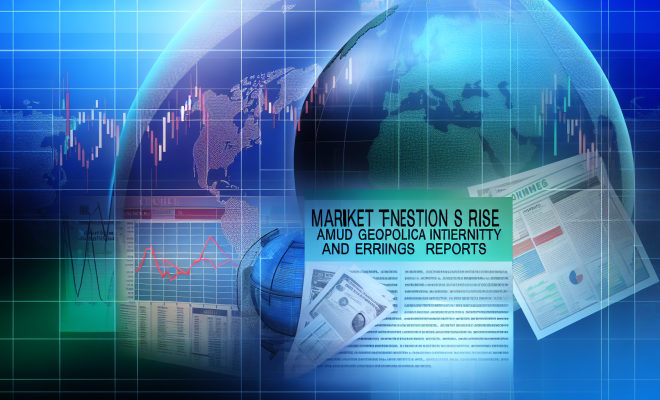
The global financial landscape is currently marked by a palpable sense of tension, as investors grapple with a series of geopolitical events and economic indicators that could significantly impact market stability. This anxiety has been particularly pronounced in the wake of stalled peace talks between the United States and Iran, a crisis in the Strait of Hormuz, and various domestic security threats that have rattled confidence in the U.S. government. As the Federal Reserve prepares to maintain steady interest rates, the G-7 nations will be watching closely, while Asia braces for a critical week of earnings reports that could unveil early indicators of economic impacts stemming from ongoing conflicts.
Geopolitical Risks and Market Reactions
In a recent segment of Bloomberg’s ‘Asia Trade’, aired on April 27, 2026, S&P Global’s Daniel Yergin highlighted the precarious situation in the Middle East, focusing on the implications of a potential crisis in the Strait of Hormuz. This strategic waterway is crucial for global oil shipping, and any disruptions could lead to significant spikes in oil prices, thereby affecting global economic stability.
Stalled U.S.-Iran Peace Talks
The ongoing peace negotiations between the U.S. and Iran have reached an impasse, igniting fears of escalating tensions in the region. The lack of progress raises concerns not only for regional stability but also for global markets, particularly in the energy sector. Investors are wary of the potential for military conflict, which could disrupt oil supplies and lead to a broader economic downturn.
Domestic Security Concerns
Adding to the uncertainty, a recent incident involving a gunman targeting U.S. officials at a gala in Washington D.C. has heightened fears about domestic security. Such events can lead to increased volatility in markets as investors react to the potential for instability and policy shifts that could arise from heightened security measures.
The Federal Reserve’s Role
In light of these uncertainties, the Federal Reserve is poised to hold interest rates steady during its upcoming meeting. This decision comes as part of a broader strategy to navigate through turbulent economic waters while attempting to foster growth. By maintaining rates, the Fed aims to strike a balance between supporting economic expansion and controlling inflationary pressures.
Implications for the G-7
The G-7 nations are expected to closely monitor the Fed’s stance, as it could influence their own monetary policies. Central banks around the world are grappling with similar challenges, and the decisions made by the Fed often have ripple effects across global markets. Analysts predict that the Fed’s cautious approach may set a precedent for other central banks, particularly as they navigate through a period marked by geopolitical tensions and economic uncertainty.
Asia’s Earnings Week
As the situation unfolds, Asia is preparing for one of its busiest earnings weeks, with a slew of corporate reports expected to provide insights into the health of the region’s economy. Companies across various sectors are likely to reveal how they have been affected by recent geopolitical events, including the implications of the Iran crisis and domestic market conditions. Related reading: oil price surge details.
Nio’s Commitment to Electric Vehicles
One of the standout companies in this earnings season is Nio, a leading electric vehicle manufacturer. CEO Lihong Qin has emphasized the company’s unwavering commitment to pure electric vehicles, a sector that continues to gain traction as consumers shift towards sustainable transportation options. Nio’s performance in upcoming earnings reports will be closely watched, as it may serve as a bellwether for the broader electric vehicle market in Asia.
Market Sentiment and Investor Skepticism
Despite the overall positive sentiment surrounding the earnings season, some investors remain skeptical. The record momentum rally in Asian markets has raised questions about sustainability, particularly in light of the ongoing geopolitical risks. Jefferies’ Shrikant Kale has offered an optimistic outlook on the Japanese market, suggesting that despite the noise, there are underlying strengths that could support continued growth. For more on this, see watch this analysis.
Japan’s Economic Landscape
As trading opens in Japan, South Korea, and Australia, market observers will be keenly aware of the potential impacts of global events on local economies. Japan’s Bank of Japan (BOJ) is expected to maintain its current interest rates, reflecting a cautious approach amid global uncertainties. This stability could provide a foundation for continued investment in the Japanese market, particularly as corporate earnings begin to roll in.
Investor Strategies Amid Uncertainty
In a climate characterized by volatility, investors are advised to remain vigilant and strategic in their approaches. Diversifying portfolios, focusing on sectors that demonstrate resilience, and keeping an eye on geopolitical developments will be crucial for navigating the uncertain waters ahead.
The Future Outlook
As the world grapples with these interconnected challenges, the outlook remains mixed. The potential for conflict in the Middle East, coupled with domestic security issues in the U.S., adds layers of complexity to an already fragile economic environment. However, positive developments in corporate earnings and a steadfast approach from central banks may provide some reassurance to investors.
Key Takeaways
- Stalled U.S.-Iran peace talks raise geopolitical risks.
- The Federal Reserve’s decision to hold interest rates steady is crucial for market stability.
- Asia’s busiest earnings week could reveal impacts of geopolitical tensions on corporate performance.
- Nio’s commitment to electric vehicles highlights the growing importance of sustainability in the automotive sector.
- Investor skepticism remains in the face of a record momentum rally in Asian markets.
In conclusion, as global markets navigate through a complex web of geopolitical tensions and economic uncertainties, staying informed and adaptable will be key for investors looking to secure their positions in this ever-evolving landscape.