Proprioception: How the ‘Sixth Sense’ Impacts Classroom Learning
“`html
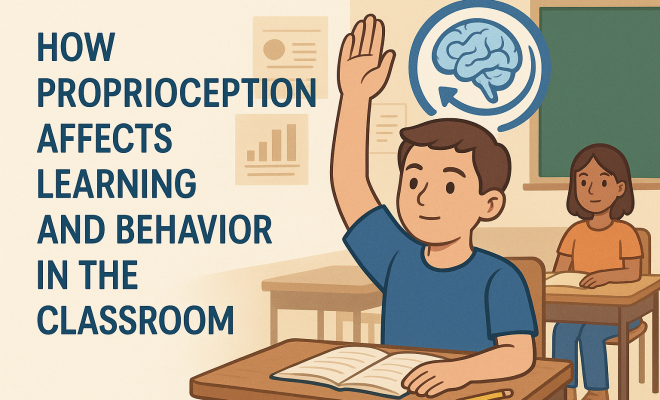
When we think about education, our minds often drift to traditional subjects like math, reading, and science. However, there’s a fascinating yet often overlooked aspect of learning that plays a crucial role in how students engage with their environment: proprioception. This article explores the impact of proprioception in education, shedding light on its influence on learning and behavior in the classroom.
Understanding Proprioception
Proprioception is the body’s ability to sense its position in space, a skill that allows us to navigate our physical environment without needing to visually monitor every movement. Think about it: when you close your eyes and touch your finger to your nose, you’re relying on proprioceptive feedback to achieve that goal. This sensory perception is essential for coordination, balance, and body awareness.
Proprioception is often referred to as the ‘sixth sense,’ distinct from the basic five senses of sight, sound, taste, touch, and smell. It involves specialized receptors located in muscles, tendons, and joints that send information to the brain about body position and movement. Understanding how this sense operates is crucial for educators looking to foster an optimal learning environment.
The Role of Proprioception in Learning
Proprioception in education is pivotal for various reasons, particularly in how students learn and exhibit behaviors in the classroom. When children are aware of their bodies and how to control them, they tend to perform better academically and socially. This awareness contributes to enhanced focus, better emotional regulation, and improved classroom behavior.
Research indicates that students with strong proprioceptive abilities may find it easier to engage in complex tasks, such as writing or participating in group discussions. They can better navigate their environment and adapt to physical demands, which can significantly influence their learning experience. Educators should consider these factors when designing classroom activities and lessons.
Proprioception and Classroom Behavior
The connection between proprioception and behavior is particularly noteworthy. For instance, children who struggle with proprioceptive processing may exhibit signs of restlessness or difficulty remaining seated. These behaviors can be mistaken for behavioral issues when, in reality, they stem from a lack of body awareness. By incorporating proprioceptive activities into the school day, teachers can help students develop better self-regulation.
Activities like jumping, climbing, or even using weighted blankets can provide proprioceptive input to students who need it. Such interventions not only help them feel more grounded but also improve their overall attention and engagement in learning tasks. This leads to a more harmonious classroom environment where students can thrive.
Practical Strategies to Enhance Proprioception
Educators can employ various strategies to enhance proprioception in education. Here are a few effective methods:
- Movement Breaks: Integrate short, structured movement breaks into the classroom routine. Activities such as stretching, yoga, or brief exercises can help students reconnect with their bodies and improve focus.
- Seating Options: Incorporate alternative seating arrangements, such as stability balls, wobble chairs, or standing desks. These options allow for movement while learning and can boost proprioceptive input.
- Weighted Items: Use weighted vests or lap pads during instruction. These tools provide calming proprioceptive stimulation to help students feel more centered and attentive.
- Hands-On Learning: Encourage tactile engagement through hands-on activities like building, crafting, or experimenting. These activities foster body awareness and proprioceptive feedback.
- Outdoor Play: Allocate time for outdoor play where children can engage in activities like climbing or running. This not only enhances proprioceptive input but also supports social interactions.
The Science Behind Proprioceptive Activities
Numerous studies have explored the benefits of proprioceptive activities in educational settings. Research published in the American Journal of Occupational Therapy indicates that students who participated in structured proprioceptive activities showed marked improvements in focus and behavior.
Another study examined the effects of movement breaks on student performance. Researchers found that classrooms incorporating regular physical activity reported higher levels of engagement and lower instances of disruptive behavior. This is a critical insight for educators seeking to create a positive learning environment.
Challenges in Recognizing Proprioceptive Needs
Despite the clear benefits of fostering proprioception in education, recognizing and addressing these needs can be challenging. Teachers may not be trained to identify proprioceptive difficulties in their students, leading to missed opportunities for intervention. This gap in training can prevent schools from fully supporting children who struggle with body awareness. (See: Understanding proprioception and its importance.)
Moreover, large class sizes and limited time can make it difficult for teachers to implement movement-based strategies effectively. Addressing these challenges requires a school-wide commitment to professional development and a focus on creating a more inclusive learning environment.
Creating a Proprioception-Friendly Classroom
For schools to capitalize on the advantages of proprioception in education, creating a proprioception-friendly classroom is essential. This involves not only the physical setup of the classroom but also the overall culture and approach to learning. Here are some ideas:
- Flexible Classroom Design: Design the classroom to allow for flexible movement. Incorporate areas for students to engage in movement-based activities that don’t disrupt learning.
- Professional Development: Provide training for educators on understanding proprioception and its impact on learning. This knowledge equips teachers to better support students’ sensory needs.
- Collaboration with Specialists: Work with occupational therapists or other specialists who can provide insights and strategies tailored to individual students’ proprioceptive needs.
- Encourage Self-Advocacy: Teach students to recognize their own proprioceptive needs and advocate for themselves. Empowering students to communicate their needs cultivates a more supportive environment.
Current Relevance and Future Directions
As education continues to evolve, understanding the role of proprioception in the classroom remains increasingly relevant. With a growing focus on social-emotional learning and holistic education, incorporating proprioception into teaching strategies aligns with modern educational philosophies.
Looking ahead, educators must advocate for integrating proprioceptive awareness into curricula and training programs. This will not only benefit students with identified needs but will enhance the overall learning environment for all students. Emphasizing movement and body awareness can contribute to academic success and improved mental health.
Conclusion: The Future of Proprioception in Education
Proprioception in education is an essential component of effective teaching and learning. By recognizing and fostering the importance of body awareness and sensory input, educators can create an environment where all students can thrive. Whether through movement breaks, flexible seating, or hands-on learning experiences, each strategy can make a significant difference in how students engage with their learning.
The journey of understanding proprioception is just beginning. With a commitment to incorporating these insights into everyday classroom practices, educators can unlock the full potential of their students, paving the way for a brighter educational future.
Additional Benefits of Proprioception in Education
Beyond the already discussed advantages, proprioception contributes to several other critical areas in education. For instance, it plays a significant role in developing gross motor skills, which are foundational for physical activities and sports. Children who are more aware of their body movements can engage more effectively in physical education classes, enhancing their overall fitness and coordination.
Moreover, proprioception can enhance fine motor skills, which are crucial for tasks such as writing, drawing, and manipulating objects. Children who can accurately gauge their movements are less likely to experience frustration during these activities, leading to increased confidence and a willingness to participate in various classroom tasks.
Proprioception in Special Education
In special education, proprioception takes on an even greater significance. Many students with sensory processing disorders, autism, or attention deficit hyperactivity disorder (ADHD) face challenges related to body awareness. By integrating proprioceptive activities into their daily routine, educators can tailor interventions that better meet the needs of these students.
For instance, students with autism may find it difficult to adapt to physical environments. Activities such as swinging, spinning, or jumping on trampolines can provide the necessary proprioceptive input to help them remain calm and focused. Implementing such strategies not only aids in emotional regulation but also supports social interactions and communication among peers.
Statistics on Proprioception and Academic Performance
Several studies highlight the connection between proprioception and academic performance. A landmark study by the University of North Carolina found that students who participated in daily proprioceptive activities showed a 20% increase in reading comprehension compared to their peers who did not engage in similar activities. This statistic underscores the importance of movement and sensory input in enhancing cognitive functions.
Moreover, a survey of teachers conducted by the National Center for Learning Disabilities revealed that 75% of educators believe that incorporating physical activity and proprioceptive exercises into the curriculum positively affects students’ focus and engagement levels. (See: Physical activity and sensory perception.)
Expert Perspectives on Proprioception in Education
Experts in child development emphasize the necessity of incorporating proprioception into educational settings. Dr. Sarah Johnson, an occupational therapist specializing in pediatric care, states, “When children are given the opportunity to engage in proprioceptive activities, it can significantly impact their learning experiences. Movement is a vital part of cognitive development, and schools must recognize its importance.”
In addition, Dr. Michael Thompson, an educational psychologist, highlights the connection between proprioception and emotional well-being. “Students who are more aware of their bodies are better equipped to handle stress and anxiety. Implementing proprioceptive activities can lead to a more balanced emotional state, which is essential for optimal learning.”
Frequently Asked Questions (FAQ)
What is proprioception?
Proprioception is the body’s ability to sense its position and movement in space. It involves receptors in the muscles, tendons, and joints that provide information to the brain, allowing individuals to coordinate movements effectively.
How does proprioception affect learning?
Proprioception plays a crucial role in learning by enhancing body awareness, coordination, and focus. Students with strong proprioceptive skills are often better at engaging in classroom activities, managing their emotions, and interacting with peers.
What are some simple proprioceptive activities for the classroom?
Simple activities include movement breaks (like stretching or jumping jacks), using alternative seating options (like stability balls), and engaging in hands-on projects that require fine motor skills. Outdoor activities, such as climbing or running, are also beneficial.
How can teachers support students with proprioceptive difficulties?
Teachers can support these students by incorporating regular movement breaks, providing sensory tools like weighted vests, and collaborating with occupational therapists to develop individualized strategies. Creating a flexible classroom environment that accommodates movement can also be beneficial.
Is there a link between proprioception and behavioral issues?
Yes, children who struggle with proprioceptive processing may exhibit behaviors that are often misinterpreted as defiance or hyperactivity. By addressing their proprioceptive needs, educators can help improve self-regulation and reduce instances of disruptive behavior.
Can proprioceptive exercises improve academic performance?
Research suggests a positive correlation between proprioceptive exercises and academic performance. Engaging in regular proprioceptive activities can lead to improvements in focus, attention, and overall classroom engagement, ultimately enhancing learning outcomes.
The Future of Proprioception-Based Education
The conversation surrounding proprioception in education is expanding, prompting ongoing research and implementation of new strategies. The future holds the possibilities of more tailored approaches that incorporate technology, such as wearable devices that track physical activity and provide real-time feedback to educators about student engagement levels.
As awareness grows, we may also see the development of standardized curricula that emphasize sensory integration and proprioceptive learning strategies. Schools could collaborate with health professionals to ensure that students receive a well-rounded education that addresses both academic and sensory needs. (See: Proprioception and motor learning in children.)
Ultimately, the inclusion of proprioception in education represents a shift toward a more holistic approach to teaching and learning, where every child’s unique needs are recognized and supported. By paving the way for new educational frameworks, we can ensure that all students have the opportunity to thrive in their learning environments.
Integrating Technology with Proprioceptive Learning
As technology continues to advance, educators have the opportunity to integrate innovative tools that enhance proprioceptive learning. Apps and platforms designed to promote movement-based activities can help track progress and provide personalized feedback. For example, platforms that gamify physical activities can engage students in fun proprioceptive tasks that develop their body awareness while fostering a love for learning.
Additionally, virtual reality (VR) technology could play a role in proprioceptive education. By immersing students in virtual environments where they must navigate and interact with their surroundings, educators can create engaging scenarios that promote proprioceptive awareness. This method can be particularly useful for students who may struggle with real-world physical interactions, as they can practice these skills in a safe, controlled environment.
Case Studies Highlighting Proprioception in Education
Real-world examples can illuminate the impact of proprioception in educational settings. One notable case is a pilot program implemented in a school district in California, where teachers integrated sensory rooms filled with proprioceptive equipment like swings, climbing walls, and balance beams. This program observed a 30% reduction in disruptive behavior within the classrooms, illustrating how proactive measures can lead to positive changes.
Another example comes from a school in New York, where teachers collaborated with occupational therapists to develop a curriculum that included proprioceptive activities. They found that students demonstrated improved academic performance, particularly in subjects requiring fine motor skills, such as writing and art. Teachers noted a significant increase in student confidence and willingness to participate, reinforcing the value of proprioceptive integration in teaching methodologies.
Proprioception Across Different Age Groups
The need for proprioceptive activities extends beyond just elementary education; it is also beneficial for older students. In high school, students face unique challenges, including increased academic pressure and social dynamics. Incorporating proprioceptive activities, such as yoga or team sports, can provide essential breaks from rigorous academic schedules and help maintain focus during classes.
For younger learners, engaging in proprioceptive activities can set a solid foundation for lifelong learning. Early childhood education should emphasize the importance of movement and sensory experiences that encourage body awareness. Through play-based learning that incorporates proprioceptive exercises, children can develop skills that will serve them throughout their educational journey.
Conclusion: A Holistic Approach to Education
In summary, proprioception in education is not just a niche concept but a vital aspect of a well-rounded approach to teaching and learning. By recognizing the profound influence of body awareness on a child’s educational experience, educators can create more engaging, effective, and supportive learning environments. By embracing innovative strategies, integrating technology, and sharing success stories, we can pave the way for a brighter future where every student is empowered to reach their full potential.
“`
Trending Now
Frequently Asked Questions
What is proprioception and why is it important in education?
Proprioception is the body's ability to sense its position and movement in space, often referred to as the 'sixth sense.' It's important in education because it enhances students' coordination, balance, and body awareness, which can lead to improved focus, emotional regulation, and overall classroom behavior.
How does proprioception affect learning in children?
Proprioception affects learning by enabling children to control their bodies and navigate their environment effectively. Students with strong proprioceptive skills tend to engage better in academic tasks and social interactions, resulting in enhanced learning experiences and improved performance.
What role does proprioception play in classroom behavior?
Proprioception plays a crucial role in classroom behavior by helping students develop body awareness and self-regulation. When children are more aware of their physical presence, they are better equipped to manage their actions, leading to improved behavior and participation in classroom activities.
Can proprioception influence emotional regulation in students?
Yes, proprioception can significantly influence emotional regulation in students. A strong sense of body awareness allows children to better manage their emotions and reactions, contributing to a more harmonious classroom environment and facilitating effective learning.
What strategies can educators use to enhance proprioception in the classroom?
Educators can enhance proprioception by incorporating movement-based activities, such as balance exercises, sensory play, and hands-on learning experiences. These strategies help students develop their body awareness and improve their overall engagement and performance in the classroom.
What did we miss? Let us know in the comments and join the conversation.