High Schoolers Revolutionize Social Media Activism Against Disinformation
“`html
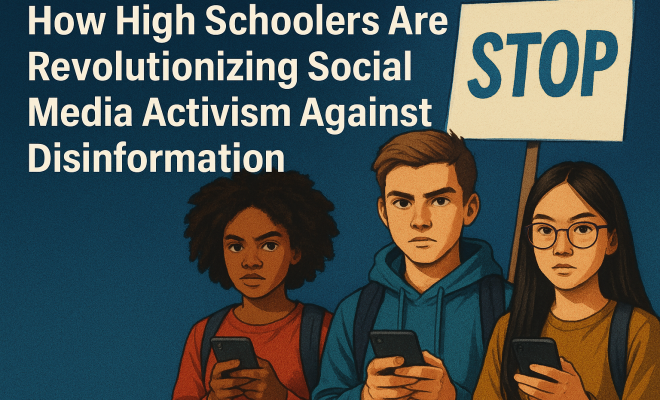
In an era where information is just a click away, disinformation can spread just as rapidly, if not more so. But a new wave of young activists is taking matters into their own hands, wielding the power of social media to combat false narratives. High school students across the nation are launching viral campaigns aimed at tackling disinformation on issues they care about, creating a remarkable shift in the landscape of social media activism. This article explores how these young leaders are reshaping digital discourse by using their platforms to promote truth and justice.
1. The Rise of Youth Activism:
The digital age has transformed the way information is disseminated and consumed. With platforms like Instagram, TikTok, and Twitter, young people can mobilize quickly, reaching massive audiences in an instant. Recent studies show that nearly 95% of teenagers have access to smartphones, making them prime candidates for driving social change online. It’s no surprise, then, that students are stepping up to challenge misinformation that often clouds critical social issues.
This movement aligns with broader trends in youth activism, where young voices are increasingly advocating for social justice causes. Whether it’s climate change, racial equality, or mental health awareness, high schoolers are harnessing the power of social media to spark conversations and inspire action. Their campaigns not only highlight the issues but also foster community engagement and collective action.
2. Learning to ‘Weaponize’ Social Media:
As high schoolers engage in social media activism, initiatives are being developed to teach them effective strategies to counter disinformation. Workshops and online resources are helping students understand the mechanics of social media platforms and how to leverage them effectively. These educational programs are essential in equipping young activists with the skills they need to identify false narratives and respond appropriately.
Students learn to create compelling content that resonates with their peers, using humor, visuals, and relatable messaging to engage their audience. This approach not only helps to demystify complex issues but also encourages emotional investment in social justice causes. By teaching them to craft messages that can go viral, these initiatives empower young people to take an active role in shaping the conversation around critical issues.
3. Viral Campaigns Making Waves:
One of the most striking aspects of this youth-led movement is the explosive nature of viral campaigns. High school students have successfully sparked engagement around various topics, leading to significant spikes in Google searches for related themes. This phenomenon has not only raised awareness but also mobilized thousands to join the conversation, participate in protests, and advocate for change.
For instance, campaigns centered around climate action have seen millions of posts shared under specific hashtags, creating a buzz that traditional media often fails to replicate. These viral trends are not just a flash in the pan; they signify a deep-rooted desire among youth to be heard and to influence change. The emotional intensity behind these posts often leads to broader conversations that challenge established narratives.
4. The Power of Emotional Sharing:
One of the key drivers of these campaigns is the emotional sharing that occurs on social media. Studies show that content that evokes strong emotions—be it anger, joy, or empathy—tends to be shared more widely. Young activists are tapping into this by framing their narratives in ways that are relatable and impactful, allowing their messages to cut through the noise of everyday social media content.
Moreover, the immediacy of social media allows for real-time reactions to unfolding events. Consider the protests that erupted following incidents of racial injustice; students used their platforms to share live updates, provide resources, and organize actions. This rapid response capability is a powerful tool that traditional activism methods often lack, enabling youth to remain at the forefront of social discourse.
5. Understanding the Landscape of Disinformation:
To effectively combat disinformation, it’s crucial for young activists to understand the landscape they are navigating. Misinformation can emerge from various sources, including social media platforms, news outlets, and even personal networks. High school students are not only learning to spot these false narratives but also how to communicate accurate information compellingly. Related reading: platforms combating AI content.
The importance of media literacy cannot be overstated. Students who are equipped with the skills to critically analyze information can differentiate between credible sources and misleading content. This understanding is vital, especially as disinformation campaigns become more sophisticated and widespread. Educating teens about these challenges promotes a sense of responsibility and accountability as they engage in social media activism. (See: Associated Press on youth activism.)
6. Connecting with Broader Movements:
High schoolers are not operating in isolation; they are connecting with broader social movements that have been advocating for change for years. Organizations like Black Lives Matter, March for Our Lives, and Fridays for Future have inspired young activists to take action in their communities. By aligning their efforts with these established movements, students amplify their voices and broaden their impact.
This connection fosters a sense of solidarity and encourages cross-generational dialogue. Older activists can share their experiences, strategies, and lessons learned, while youth bring fresh perspectives and innovative approaches. Together, they create a more robust and diverse activism ecosystem, paving the way for meaningful change.
7. The Role of Digital Campaigns in Education:
Educational institutions recognize the value of these youth-led digital campaigns and are beginning to integrate social media activism into curriculums. Schools are hosting workshops and discussions that encourage students to explore social issues and engage with them through social media. This approach not only enhances students’ understanding of civic responsibility but also fosters critical thinking and creativity.
Furthermore, initiatives that promote social media activism also emphasize collaboration among students. By working together on projects and campaigns, teens can learn the importance of teamwork, strategizing, and effective communication. These skills are indispensable, not just for activism but for their future careers and endeavors.
8. Challenges and Criticisms of Youth Activism:
Despite their powerful impact, youth activists face a variety of challenges and criticisms. Skeptics argue that young people lack the experience and knowledge to meaningfully contribute to complex social issues. Critics may dismiss their efforts as mere trends or attention-seeking behavior, undermining the genuine intentions behind their activism.
However, these criticisms often stem from misunderstanding the motivations and capabilities of young activists. Many are deeply informed about the issues they advocate for and are driven by a desire to create a better future. It’s crucial to listen to their voices and recognize that their perspectives can offer valuable insights into the societal challenges we face today.
9. The Future of Social Media Activism:
As social media continues to evolve, so too will the strategies employed by young activists. The rise of new platforms, changes in algorithm policies, and shifts in user behavior will all influence how activism is conducted online. It’s essential for these young leaders to remain adaptable and continue learning about emerging trends in digital communication.
Looking ahead, the intersection of education and activism will likely play a critical role in shaping the future of social media activism. As more teens become engaged and informed, they are poised to become powerful agents of change, challenging disinformation and advocating for justice in their communities and beyond.
In conclusion, high schoolers are not just passive consumers of media but active participants in social justice movements. By utilizing their platforms to fight disinformation, they are carving out a space for themselves in the realm of social media activism. As they continue to challenge the status quo, they remind us all of the potential that lies in the hands of the youth.
10. Statistics Behind Social Media Activism
Understanding the impact of social media activism can be aided by looking at relevant statistics. A recent survey showed that about 70% of young people believe social media is an effective tool for promoting social change. This is significant when considering that traditional media outlets are often seen as less approachable by this demographic.
Moreover, platforms like TikTok have become central to activism efforts, with TikTok reporting that its users created over 1 billion videos tagged with social justice hashtags in just one year. Engagement rates on social media posts related to activism have also skyrocketed, with posts that include personal stories or emotional content seeing up to 30% more shares than standard informational posts. These numbers highlight the increasing role social media plays in shaping activism and public discourse.
11. Case Studies of Successful Activism
To further illustrate the impact of social media activism, consider the case of the #MeToo movement. Originally a grassroots effort to raise awareness about sexual harassment and assault, the movement gained unprecedented momentum after prominent figures began sharing their experiences on social media platforms. The hashtag went viral, resulting in millions of posts and conversations around the world. This example showcases how the collective voice of individuals can amplify a cause and impact societal norms. (See: CDC on youth mental health awareness.)
Another notable example is the Strike for Climate, initiated by Greta Thunberg, which mobilized young activists globally. The campaign utilized social media to organize school strikes and climate marches, leading to a worldwide response that brought attention to the urgency of climate action. The success of these movements demonstrates the potential of youth-led campaigns to drive meaningful change through social media.
12. Expert Perspectives on Social Media Activism
Experts in the field of social movements and communications have weighed in on the growing trend of youth activism via social media. Dr. Lisa Smith, a sociologist specializing in youth culture, states, “Social media provides a platform for marginalized voices that often go unheard in traditional media. It empowers young people to challenge societal norms and advocate for change in innovative ways.”
Additionally, communications expert Dr. Mark Thompson emphasizes the importance of multimedia content in activism, saying, “Young activists are savvy in using videos, graphics, and memes to engage their audience emotionally. This multi-faceted approach not only attracts attention but also encourages deeper connections to the issues at hand.”
13. FAQs About Social Media Activism
What is social media activism?
Social media activism refers to the use of social media platforms to promote social change, raise awareness about social issues, and mobilize communities for action. It often involves creating and sharing content related to causes, campaigns, or movements.
How can I get involved in social media activism?
You can get involved by following causes you care about, sharing information, participating in online campaigns, and using your own social media platforms to raise awareness. Engaging in discussions and educating yourself and others about issues is also valuable.
What are some effective strategies for social media activism?
Effective strategies include creating engaging and relatable content, utilizing hashtags for visibility, collaborating with other activists or organizations, and staying informed about current events to react in real-time. Storytelling and emotional appeal can also enhance the impact of your message.
Are there any risks associated with social media activism?
Yes, risks include potential backlash from opposing groups, online harassment, and the spread of misinformation. It’s important for activists to be prepared for these challenges and understand how to navigate them while staying safe online.
How does social media affect traditional activism?
Social media can enhance traditional activism by providing a larger platform for communication, helping to mobilize supporters quickly, and allowing for real-time updates and engagement. However, it can also lead to a phenomenon known as “slacktivism,” where individuals feel they have contributed simply by liking or sharing a post rather than engaging in more substantial action.
14. The Role of Influencers
Influencers play a significant role in social media activism, often bridging the gap between traditional marketing and grassroots movements. Many young activists collaborate with influencers to amplify their messages and reach broader audiences. Influencers can lend credibility and visibility to causes, driving engagement and encouraging followers to take action.
For example, when popular influencers back environmental campaigns or social justice initiatives, they can mobilize thousands, if not millions, of followers to join movements that may have otherwise remained under the radar. This collaboration between youth activists and influencers represents a modern form of activism that merges entertainment, culture, and social responsibility. (See: New York Times on social issues.)
15. The Global Perspective on Social Media Activism
Social media activism is not just confined to the United States; it’s a global phenomenon. Around the world, young activists are using platforms to address local issues while connecting with international movements. For instance, the #EndSARS movement in Nigeria, aimed at police brutality, gained significant traction through social media, showcasing the power of digital platforms to unite voices across geographical boundaries.
Other regions, such as Hong Kong, have also seen social media serve as a vital tool for organizing protests against government policies. The rapid sharing of information and mobilizing efforts in these contexts demonstrates how social media can facilitate grassroots movements and foster global solidarity. For more on this, see social justice apps to explore.
16. Future Trends in Social Media Activism
As technology continues to evolve, several trends are emerging that will likely shape the future of social media activism. The rise of video content, particularly on platforms like TikTok and Instagram Reels, is changing how messages are conveyed and received. Short, impactful videos can capture attention quickly and often lead to higher engagement levels.
Additionally, the increasing sophistication of data analytics will allow activists to better understand their audience and tailor their messages for maximum impact. As tools for measuring engagement and sentiment become more advanced, young activists can refine their strategies to ensure they resonate with their peers and beyond.
17. The Importance of Digital Security for Activists
With the rise of social media activism, digital security has become a crucial concern for young activists. Many face threats ranging from online harassment to potential legal consequences for their activities. Therefore, it’s vital for activists to understand the basics of digital security, including how to protect their personal information and navigate online spaces safely.
Educational resources are emerging to help young activists learn about encryption, secure communication, and how to report online harassment. By prioritizing digital security, activists can safeguard their efforts while still advocating for the causes they believe in passionately.
18. Conclusion
As we witness the evolution of social media activism, the contributions of young activists cannot be ignored. Their ability to utilize platforms effectively, combined with an innate understanding of the digital landscape, positions them as crucial players in shaping future societal narratives. Whether they are addressing climate change, advocating for equality, or fighting against disinformation, youth activists are not just participating in the discourse; they are redefining it.
The journey of social media activism is far from over. As new challenges arise, so too will the responses from these passionate individuals. By supporting and empowering their efforts, society can encourage a generation that is more informed, engaged, and ready to create meaningful change.
“`
Trending Now
- this guide on “fine motor activities that strengthen the pincer grasp in young children”
- “Vygotsky’s Zone of Proximal Development: What Teachers Need to Know”
- “Hand-Eye Coordination Games That Don’t Require Special Equipment”
- “When Do Babies Develop the Pincer Grasp? Milestones and What to Expect”
- our breakdown of “self-esteem activities for elementary students: building positive self-concept”
Frequently Asked Questions
How are high school students using social media for activism?
High school students are leveraging social media platforms like Instagram, TikTok, and Twitter to combat disinformation. They launch viral campaigns that address critical social issues, fostering community engagement and inspiring collective action among their peers.
What role do workshops play in social media activism?
Workshops and online resources are crucial for teaching high schoolers effective strategies to counter disinformation. These initiatives equip young activists with the skills to identify false narratives and utilize social media effectively in their campaigns.
Why is youth activism important in the digital age?
Youth activism is vital in the digital age as it empowers young people to advocate for social justice causes and challenge misinformation. With nearly 95% of teenagers having access to smartphones, they can mobilize quickly and reach large audiences to spark meaningful conversations.
What social issues are high school activists focusing on?
High school activists are focusing on various social issues, including climate change, racial equality, and mental health awareness. Their campaigns aim to promote truth and justice while engaging their communities in important discussions.
How does disinformation spread on social media?
Disinformation spreads rapidly on social media due to the vast reach of platforms and the speed at which information can be shared. Young activists are working to combat this by promoting accurate narratives and educating others about identifying false information.
What’s your take on this? Share your thoughts in the comments below — we read every one.