The Edvocate

Top Menu

Main Menu

  • Start Here
    • Our Brands
    • Governance
      • Lynch Education Consulting, LLC.
      • Dr. Lynch’s Personal Website
      • Careers
    • Write For Us
    • Books
    • The Tech Edvocate Product Guide
    • Contact Us
    • The Edvocate Podcast
    • Edupedia
    • Pedagogue
    • Terms and Conditions
    • Privacy Policy
  • PreK-12
    • Assessment
    • Assistive Technology
    • Best PreK-12 Schools in America
    • Child Development
    • Classroom Management
    • Early Childhood
    • EdTech & Innovation
    • Education Leadership
    • Equity
    • First Year Teachers
    • Gifted and Talented Education
    • Special Education
    • Parental Involvement
    • Policy & Reform
    • Teachers
  • Higher Ed
    • Best Colleges and Universities
    • Best College and University Programs
    • HBCU’s
    • Diversity
    • Higher Education EdTech
    • Higher Education
    • International Education
  • Advertise
  • The Tech Edvocate Awards
    • The Awards Process
    • Finalists and Winners of The 2025 Tech Edvocate Awards
    • Finalists and Winners of The 2024 Tech Edvocate Awards
    • Finalists and Winners of The 2023 Tech Edvocate Awards
    • Finalists and Winners of The 2021 Tech Edvocate Awards
    • Finalists and Winners of The 2022 Tech Edvocate Awards
    • Finalists and Winners of The 2020 Tech Edvocate Awards
    • Finalists and Winners of The 2019 Tech Edvocate Awards
    • Finalists and Winners of The 2018 Tech Edvocate Awards
    • Finalists and Winners of The 2017 Tech Edvocate Awards
    • Award Seals
  • Apps
    • GPA Calculator for College
    • GPA Calculator for High School
    • Cumulative GPA Calculator
    • Grade Calculator
    • Weighted Grade Calculator
    • Final Grade Calculator
  • The Tech Edvocate
  • Post a Job
  • AI Powered Personal Tutor

logo

The Edvocate

  • Start Here
    • Our Brands
    • Governance
      • Lynch Education Consulting, LLC.
      • Dr. Lynch’s Personal Website
        • My Speaking Page
      • Careers
    • Write For Us
    • Books
    • The Tech Edvocate Product Guide
    • Contact Us
    • The Edvocate Podcast
    • Edupedia
    • Pedagogue
    • Terms and Conditions
    • Privacy Policy
  • PreK-12
    • Assessment
    • Assistive Technology
    • Best PreK-12 Schools in America
    • Child Development
    • Classroom Management
    • Early Childhood
    • EdTech & Innovation
    • Education Leadership
    • Equity
    • First Year Teachers
    • Gifted and Talented Education
    • Special Education
    • Parental Involvement
    • Policy & Reform
    • Teachers
  • Higher Ed
    • Best Colleges and Universities
    • Best College and University Programs
    • HBCU’s
    • Diversity
    • Higher Education EdTech
    • Higher Education
    • International Education
  • Advertise
  • The Tech Edvocate Awards
    • The Awards Process
    • Finalists and Winners of The 2025 Tech Edvocate Awards
    • Finalists and Winners of The 2024 Tech Edvocate Awards
    • Finalists and Winners of The 2023 Tech Edvocate Awards
    • Finalists and Winners of The 2021 Tech Edvocate Awards
    • Finalists and Winners of The 2022 Tech Edvocate Awards
    • Finalists and Winners of The 2020 Tech Edvocate Awards
    • Finalists and Winners of The 2019 Tech Edvocate Awards
    • Finalists and Winners of The 2018 Tech Edvocate Awards
    • Finalists and Winners of The 2017 Tech Edvocate Awards
    • Award Seals
  • Apps
    • GPA Calculator for College
    • GPA Calculator for High School
    • Cumulative GPA Calculator
    • Grade Calculator
    • Weighted Grade Calculator
    • Final Grade Calculator
  • The Tech Edvocate
  • Post a Job
  • AI Powered Personal Tutor
  • Fun Facts About Pandas For Kids

  • Fun Facts About Octopus for Kids

  • Fun Facts About Neptune For Kids

  • Fun Facts About Monkeys for Kids

  • Fun Facts About Mexico For Kids

  • Fun Facts About Mercury For Kids

  • Fun Facts About Mars For Kids

  • Fun Facts About Koalas for Kids

  • Fun Facts About Jupiter For Kids

  • Fun Facts About Japan For Kids

EducationTeachers
Home›Education›Flexible Seating Is All the Rage in Schools, But Does It Really Work

Flexible Seating Is All the Rage in Schools, But Does It Really Work

By Matthew Lynch
January 26, 2026
0
Spread the love

Introduction: Understanding the Flexible Seating Trend

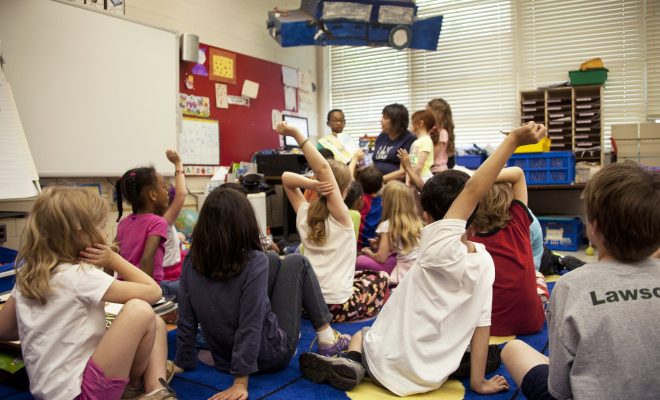
In recent years, the educational landscape has witnessed a significant shift with the introduction of flexible seating in classrooms. This innovative approach to classroom design aims to create an environment that fosters collaboration, engagement, and comfort for students. Gone are the days of rigid rows of desks, as educators embrace a more fluid arrangement that includes options like bean bags, standing desks, and collaborative workspaces. While many schools have adopted this trend with enthusiasm, the question remains: does flexible seating actually enhance learning outcomes? This article explores the philosophy behind flexible seating, its potential benefits and drawbacks, and the evidence supporting its effectiveness in educational settings.

The Concept of Flexible Seating: Redefining Classroom Spaces

Flexible seating is more than just a trend; it represents a fundamental change in how educators view the learning environment. Traditional classroom setups often restrict movement and limit interaction among students. In contrast, flexible seating encourages a variety of seating arrangements that can be adapted to the needs of both teachers and students.

Benefits of Flexible Seating: Enhancing the Learning Experience

Comfort and Engagement: The Role of Physical Environment

One of the primary benefits of flexible seating is the increased comfort it provides. Students are more likely to engage in learning when they are physically comfortable. Research suggests that uncomfortable seating can lead to distractions, reduced focus, and decreased motivation. By allowing students to choose their seating options, schools can create a more inviting and engaging atmosphere.

Collaboration and Social Interaction: Building Community in the Classroom

Flexible seating arrangements promote collaboration among students. With various seating options, students can easily form small groups, engage in discussions, and work on projects together. This social interaction is crucial for developing communication skills and fostering a sense of community in the classroom. When students feel comfortable and connected to their peers, they are more likely to participate actively in their learning.

Personalized Learning: Catering to Individual Needs

Every student has unique learning preferences, and flexible seating allows educators to cater to these individual needs. Some students may thrive in a quieter, more focused environment, while others may excel in collaborative settings. By offering a range of seating options, teachers can help students find the environment that best supports their learning style.

The Drawbacks of Flexible Seating: Challenges to Consider

Distraction and Noise Levels: Managing Classroom Dynamics

While flexible seating offers numerous benefits, it can also present challenges. One potential drawback is the increased noise level that can arise from a more open and collaborative environment. Students may find it difficult to concentrate if their peers are engaged in loud discussions or moving about the classroom. Teachers must find effective strategies for managing noise and ensuring that all students can focus on their work.

Classroom Management: Maintaining Order Amidst Flexibility

Another challenge that educators may face with flexible seating is maintaining classroom management. The fluid nature of flexible seating can sometimes lead to chaos if not properly managed. Teachers need to establish clear guidelines and expectations for behavior in a flexible seating arrangement to ensure that students remain engaged and productive.

Cost and Implementation: Financial Considerations for Schools

Implementing flexible seating can also come with financial implications. Schools may need to invest in new furniture, such as adjustable desks or alternative seating options. Budget constraints can make it challenging for some schools to fully embrace this trend. Additionally, teachers may require training to effectively manage flexible seating arrangements and maximize their potential benefits.

Research and Evidence: Does It Really Work?

Educators and administrators often seek evidence to support the effectiveness of flexible seating in enhancing student learning. A growing body of research has emerged, exploring the impact of flexible seating on various aspects of education.

Academic Performance: Examining the Evidence

Several studies have investigated the correlation between flexible seating and academic performance. A study conducted by the University of Minnesota found that classrooms with flexible seating arrangements reported higher levels of student engagement and improved academic outcomes. Students in flexible seating environments demonstrated increased motivation and participation, leading to better overall performance.

Social and Emotional Benefits: The Impact on Student Well-Being

In addition to academic performance, flexible seating has been linked to positive social and emotional outcomes. Research published in the Journal of Educational Psychology indicates that students in flexible seating arrangements report higher levels of satisfaction with their learning environment. This satisfaction can lead to increased self-esteem, improved social relationships, and a more positive attitude toward school.

Teacher Perspectives: Insights from Educators

Educators play a crucial role in assessing the effectiveness of flexible seating. Many teachers have reported positive experiences with flexible seating arrangements, noting that students are more engaged and willing to take ownership of their learning. However, some educators express concerns about the challenges of classroom management and maintaining focus in a less structured environment.

Conclusion: [Brief Description]

As flexible seating continues to gain popularity in schools, it is essential for educators and administrators to weigh the benefits against the challenges. While the innovative approach has the potential to enhance student engagement and learning outcomes, it requires thoughtful implementation and ongoing assessment to be truly effective.

Flexible seating can create a dynamic and responsive learning environment that caters to diverse student needs, but it necessitates careful planning and management to ensure that its implementation translates into real educational benefits.


Previous Article

Flexible Classrooms: The Learning Environment for Everyone

Next Article

Flexible Seating on a Budget? You Can ...

Matthew Lynch

Related articles More from author

  • EducationTeachers

    Powerful Personal Narrative Writing Guide for Students and Teachers

    December 9, 2025
    By Matthew Lynch
  • Ask An ExpertMatthew LynchTeachers

    Here Are 4 of My Thoughts on Whether Universal Pre-K is Necessary

    January 9, 2016
    By Matthew Lynch
  • DiversityTeachers

    What teachers need to know about multicultural education

    September 17, 2015
    By Matthew Lynch
  • EducationTeachers

    What are Conversation Skills?

    December 9, 2025
    By Matthew Lynch
  • Education

    Southeastern Alumna Ann Holloway to Be Inducted to Oklahoma Higher Education Hall of Fame

    August 23, 2024
    By Matthew Lynch
  • Education

    Science Giveaway | Win a Classroom Storage Cart Stocked With Supplies

    February 20, 2025
    By Matthew Lynch

Search

Registration and Login

  • Register
  • Log in
  • Entries feed
  • Comments feed
  • WordPress.org

Newsletter

Signup for The Edvocate Newsletter and have the latest in P-20 education news and opinion delivered to your email address!

RSS Matthew on Education Week

  • Au Revoir from Education Futures November 20, 2018 Matthew Lynch
  • 6 Steps to Data-Driven Literacy Instruction October 17, 2018 Matthew Lynch
  • Four Keys to a Modern IT Approach in K-12 Schools October 2, 2018 Matthew Lynch
  • What's the Difference Between Burnout and Demoralization, and What Can Teachers Do About It? September 27, 2018 Matthew Lynch
  • Revisiting Using Edtech for Bullying and Suicide Prevention September 10, 2018 Matthew Lynch

About Us

The Edvocate was created in 2014 to argue for shifts in education policy and organization in order to enhance the quality of education and the opportunities for learning afforded to P-20 students in America. What we envisage may not be the most straightforward or the most conventional ideas. We call for a relatively radical and certainly quite comprehensive reorganization of America’s P-20 system.

That reorganization, though, and the underlying effort, will have much to do with reviving the American education system, and reviving a national love of learning.  The Edvocate plans to be one of key architects of this revival, as it continues to advocate for education reform, equity, and innovation.

Newsletter

Signup for The Edvocate Newsletter and have the latest in P-20 education news and opinion delivered to your email address!

Contact

The Edvocate
910 Goddin Street
Richmond, VA 23230
(601) 630-5238
[email protected]
  • situs togel online
  • dentoto
  • situs toto 4d
  • situs toto slot
  • toto slot 4d
Copyright (c) 2025 Matthew Lynch. All rights reserved.