Facts About Australia For Kids

Introduction: Discovering the Land Down Under
Australia, often referred to as the “Land Down Under,” is a fascinating country filled with unique animals, diverse landscapes, and rich cultural history. For kids, Australia can be a source of endless curiosity and adventure. This article presents a collection of fun and interesting facts about Australia that will captivate young minds and inspire them to learn more about this incredible nation.
Geography: Understanding Australia’s Unique Landscape
Australia is the sixth-largest country in the world, known for its diverse geography that includes vast deserts, lush rainforests, stunning beaches, and rugged mountains.
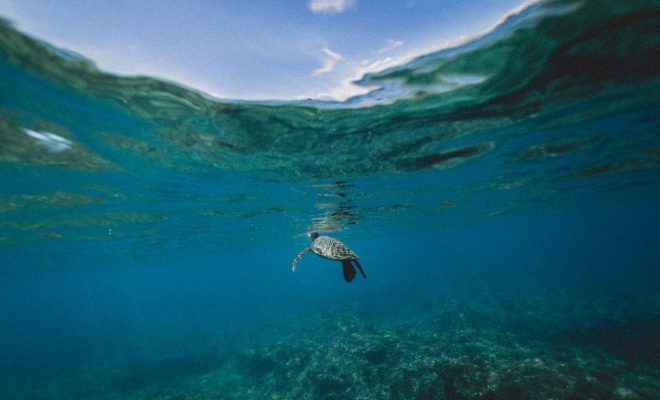
- Great Barrier Reef: The Great Barrier Reef, located off the coast of Queensland, is the largest coral reef system in the world, stretching over 2,300 kilometers. It is home to thousands of marine species and is a popular destination for snorkeling and scuba diving.
- Uluru: Also known as Ayers Rock, Uluru is a massive sandstone monolith located in the Northern Territory. It is a sacred site for the Indigenous Anangu people and changes color at different times of the day, creating a breathtaking spectacle.
- The Outback: The Outback is a vast, remote area of Australia characterized by arid landscapes and sparse population. It offers a unique glimpse into the country’s natural beauty and is known for its iconic red dirt and rugged terrain.
Animals: Meet Australia’s Unique Wildlife
Australia is home to some of the most distinctive animals in the world, many of which cannot be found anywhere else.
- Kangaroo: The kangaroo is perhaps the most famous Australian animal. These marsupials are known for their powerful hind legs, which allow them to jump long distances. They are also known for carrying their young, called joeys, in pouches.
- Koala: Koalas are adorable, tree-dwelling marsupials that spend most of their lives sleeping and eating eucalyptus leaves. They are known for their large, round ears and fluffy fur, making them a favorite among kids.
- Platypus: The platypus is one of the few egg-laying mammals in the world. With its duck-like bill, webbed feet, and beaver-like tail, the platypus is a unique creature that fascinates both kids and adults alike.
Culture: Exploring Australia’s Rich Heritage
Australia’s culture is a blend of Indigenous traditions and influences from British colonization, as well as contributions from various immigrant communities.
- Aboriginal Culture: The Indigenous people of Australia, known as Aboriginal Australians, have a rich cultural heritage that dates back over 65,000 years. Their art, music, and storytelling traditions are integral to Australian identity.
- National Holidays: Australia Day, celebrated on January 26th, marks the arrival of the First Fleet in 1788. It is a day of celebration for many, but it also serves as a reminder of the impact of colonization on Indigenous communities.
- Sports: Sports play a significant role in Australian culture, with Australian Rules Football, cricket, and rugby being among the most popular. The country also has a strong swimming tradition, producing many world-class athletes.
History: A Brief Overview of Australia’s Past
Understanding Australia’s history helps kids appreciate its cultural diversity and development over time.
- Indigenous History: Aboriginal Australians have lived on the continent for tens of thousands of years, developing rich traditions and a deep connection to the land.
- European Exploration: In 1770, Captain James Cook claimed the eastern part of Australia for Great Britain, leading to the establishment of a penal colony in Sydney in 1788. This marked the beginning of European settlement in Australia.
- Federation: Australia became a federation on January 1, 1901, uniting the six colonies into one nation. This significant event laid the foundation for modern Australia.
Geology: The Natural Wonders of Australia
Australia boasts some of the most remarkable geological formations in the world, showcasing its ancient history and natural beauty.
- The Twelve Apostles: Located along the Great Ocean Road, the Twelve Apostles are stunning limestone stacks that rise dramatically from the Southern Ocean. These natural wonders have been shaped by erosion over millions of years.
- Kakadu National Park: Kakadu National Park is a UNESCO World Heritage site known for its rich biodiversity, ancient rock art, and stunning landscapes. It is one of the largest national parks in the world and is home to a variety of wildlife.
- The Whitsunday Islands: This beautiful group of islands features white sandy beaches and crystal-clear waters, making it a popular destination for tourists. The islands are also part of the Great Barrier Reef Marine Park, providing opportunities for exploring marine life.
Fun Activities: Engaging Ways to Learn About Australia
There are countless fun activities for kids to engage with while learning about Australia.
- Virtual Tours: Many Australian landmarks and national parks offer virtual tours, allowing kids to explore the beauty of the country from the comfort of their homes. Websites and apps provide interactive experiences that make learning fun.
- Arts and Crafts: Kids can create their own Aboriginal-inspired art using natural materials or try their hand at making kangaroo or koala puppets. This hands-on approach helps reinforce what they learn about Australia.
- Cooking: Trying out Australian recipes, such as lamingtons or meat pies, can be a delicious way to learn about the country’s culture. Cooking together allows families to share stories and experiences related to Australia.Animals: Discovering More Unique Creatures
Australia’s wildlife is not only fascinating but also incredibly diverse, with many species found nowhere else on Earth.
- Tasmanian Devil: Once widespread across Australia, the Tasmanian devil is now found only in Tasmania. Known for its fierce temperament and vocalizations, this small carnivorous marsupial is an important part of the ecosystem, helping to control the population of other animals.
- Emu: The emu is the second-largest bird in the world, just after the ostrich. Emus are flightless and known for their long legs and swift running. They can reach speeds of up to 50 kilometers per hour!
- Quokka: Often referred to as the “world’s happiest animal” due to its friendly expression, the quokka is a small marsupial found mainly on Rottnest Island. They are nocturnal and are known for being curious and sociable, making them a favorite subject for photos.
Culture: Understanding Indigenous Languages
Australia is home to a rich tapestry of languages, many of which are spoken by Indigenous communities.
- Language Diversity: Before European colonization, it is estimated that over 250 different Indigenous languages were spoken across Australia. Today, many of these languages are endangered, but efforts are being made to revive and maintain them.
- Language Connection: Each language is often linked to a specific area of land and carries the cultural knowledge and connection of the people to their environment. Learning about these languages can provide insight into the rich heritage of the Indigenous cultures.
- Language Revival: Various programs focus on teaching Indigenous languages in schools, allowing both Indigenous and non-Indigenous children to learn and appreciate these languages. This promotes understanding and respect for Australia’s cultural heritage.
Geography: Exploring Australia’s Climate Zones
Australia’s climate is as diverse as its geography, ranging from tropical to temperate conditions.
- Tropical Climate: The northern regions of Australia, such as Darwin and Cairns, experience a tropical climate. This area is known for its warm temperatures and wet seasons, which support lush rainforests and unique wildlife.
- Desert Climate: Central Australia is characterized by a desert climate, featuring hot temperatures and minimal rainfall. The famous Simpson Desert is located here, home to stunning sand dunes and resilient desert plants and animals.
- Temperate Climate: The southern parts of Australia, including cities like Melbourne and Sydney, enjoy a temperate climate with four distinct seasons. This variety allows for diverse flora and fauna, making it a great area for agriculture and outdoor activities.
Food: Tasty Australian Treats and Dishes
Australia has a unique culinary scene influenced by its multicultural population and local ingredients.
- Vegemite: A staple in many Australian households, Vegemite is a thick, dark spread made from yeast extract. It’s often enjoyed on toast with butter and is packed with B vitamins, making it a nutritious choice for breakfast.
- Fairy Bread: A popular treat at children’s parties, fairy bread consists of white bread spread with butter and topped with colorful sprinkles, known as “hundreds and thousands.” This simple yet delightful snack has become a cultural icon in Australia.
- Anzac Biscuits: These sweet, oat-based cookies were originally made to send to soldiers during World War I. Today, Anzac biscuits are enjoyed by Australians all year round and symbolize the country’s respect for its military history.
Sports: Celebrating Australia’s Sporting Spirit
Sports are an integral part of Australian culture, fostering unity and national pride.
- National Sports: Australian Rules Football (AFL) and cricket are the two most popular sports in Australia. Both sports have passionate fans and are played at both amateur and professional levels, with major events drawing huge crowds.
- Surfing Culture: Given its extensive coastline, surfing is a beloved pastime in Australia. The country’s beaches host numerous surfing competitions, and the sport is often seen as a symbol of the Australian lifestyle.
- Olympic Success: Australia has a strong history in the Olympics, particularly in swimming and athletics. The country has produced numerous world-class athletes and continues to promote sports among young Australians.
Environment: Protecting Australia’s Natural Heritage
Australia is home to many unique ecosystems, and environmental conservation is crucial for preserving its natural beauty.
- Conservation Areas: Numerous national parks and marine reserves are dedicated to protecting Australia’s diverse wildlife and habitats. These areas provide safe havens for endangered species and allow for sustainable tourism.
- Climate Change Impact: Like many other countries, Australia faces challenges related to climate change, including rising sea levels and extreme weather events. Educating young people about these issues is essential for fostering environmental stewardship.
- Sustainable Practices: Many schools and communities are promoting sustainability through recycling programs, tree planting initiatives, and conservation education. Kids are encouraged to participate in these activities, helping them understand their role in protecting the environment.
With these additional sections, the article now offers a more comprehensive look at various aspects of Australia, helping kids learn more about this incredible country.Conclusion: Embracing the Wonders of Australia
In conclusion, Australia is a vibrant nation filled with unique wildlife, rich cultural heritage, and stunning natural landscapes. From the Great Barrier Reef to indigenous traditions, there is so much for kids to explore and learn about this diverse country. By understanding Australia’s facts, children can develop a deeper appreciation for its environment, history, and the importance of cultural diversity.