Education & Learning: Cornerstone of Human Development

: The Cornerstone of Human Development
Education and learning represent the foundational elements of human development, shaping societies and influencing individual growth. In an age of rapid technological advancements and evolving global landscapes, the importance of education and learning cannot be overstated. This article explores the multifaceted nature of education, the various modes of learning, and the challenges and opportunities that lie ahead in the field of education.
Introduction: Understanding the Essence of Education and Learning
Education is often defined as the process of facilitating learning, or the acquisition of knowledge, skills, values, beliefs, and habits. Learning, on the other hand, is the act of acquiring that knowledge or skill through experience, study, or instruction. Together, they create a dynamic interplay that contributes to personal and societal advancement. Education can take place in formal settings, such as schools and universities, or informally through life experiences and self-directed learning.
The Role of Education: Shaping Individuals and Societies
Education serves multiple roles in society, including socialization, personal development, and economic growth. It equips individuals with essential skills needed for personal and professional success. The impact of education on society is profound, as it fosters informed citizens who can contribute to democratic processes and community development.
Access to education is also a critical issue that affects societies worldwide. Globally, millions of children are out of school due to poverty, conflict, and discrimination. Addressing these barriers is crucial for promoting equality and ensuring that everyone has the opportunity to learn and grow.
Modes of Learning: Diverse Pathways to Knowledge
Learning can occur through various methods, each catering to different preferences and needs. Some of the most common modes of learning include:
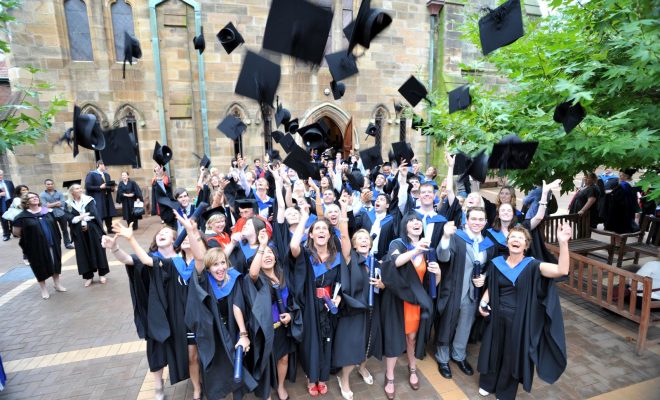
Formal Learning: Structured educational programs typically offered by schools, colleges, and universities. These programs follow a set curriculum and often lead to recognized qualifications.
Informal Learning: Spontaneous and unstructured learning that occurs outside traditional educational institutions. This can include self-study, mentorship, and experiential learning through everyday activities.
Non-formal Learning: Organized learning that occurs outside the formal education system, such as community education programs, workshops, and vocational training.
Online Learning: A rapidly growing mode of education that leverages technology to deliver courses and resources over the internet. This format has gained popularity, particularly during the COVID-19 pandemic, as it allows for flexible and accessible learning.
Experiential Learning: Learning through hands-on experiences, where individuals actively engage in activities to gain knowledge and skills. This method emphasizes reflection and application in real-world contexts.
Challenges in Education: Navigating the Landscape
Despite the critical importance of education, numerous challenges persist in ensuring effective learning for all. Some of these challenges include:
Inequality in Access: Disparities in educational access remain a significant issue globally. Marginalized groups, including girls, children with disabilities, and those from low-income families, often face barriers to education.
Quality of Education: The quality of education varies widely based on geographic location, resources, and teacher training. Ensuring that all students receive a quality education is essential for promoting equity.
Technological Disparities: While technology has the potential to enhance learning, not all students have equal access to the necessary tools and resources. The digital divide can exacerbate existing inequalities in education.
Curriculum Relevance: Educational curricula must evolve to meet the changing needs of society, including the skills required for future employment. Integrating critical thinking, creativity, and digital literacy into the curriculum is essential for preparing students for the future.
Mental Health and Well-being: As the pressures of academic achievement and social expectations increase, mental health issues among students have become more prevalent. Addressing the mental and emotional well-being of learners is crucial for fostering a positive educational environment.
Opportunities for Innovation: Rethinking Education
Amid these challenges, there are also numerous opportunities for innovation in education. Some notable trends and developments include:
Personalized Learning: Tailoring education to meet the individual needs of students can enhance engagement and effectiveness. Technologies such as adaptive learning platforms allow for customized learning experiences.
Blended Learning: Combining traditional classroom instruction with online elements can provide a more flexible and enriching learning experience. This approach allows students to learn at their own pace while still benefiting from face-to-face interaction.
Lifelong Learning: The concept of lifelong learning emphasizes the importance of continuous education beyond formal schooling. Encouraging individuals to pursue learning throughout their lives can foster adaptability and resilience in an ever-changing job market.
Global Collaboration: The interconnectedness of the world creates opportunities for cross-cultural exchanges and collaborative learning experiences. Students can benefit from diverse perspectives and ideas through international partnerships and virtual learning environments.
Conclusion: The Future of Education and Learning
Education and learning will continue to evolve as society changes. The challenges faced today present significant obstacles; however, they also offer opportunities for innovation and reform. By prioritizing equitable access to quality education, embracing diverse learning methods, and fostering a culture of lifelong learning, we can create a more informed, skilled, and resilient global community.
As we move forward, it is vital to recognize the transformative power of education in shaping not only individual lives but also the future of our societies. Through collective efforts, we can work towards a world where education is accessible to all, enabling everyone to reach their full potential and contribute meaningfully to the world around them.Education and Learning: The Cornerstone of Human Development
Education and learning represent the foundational elements of human development, shaping societies and influencing individual growth. In an age of rapid technological advancements and evolving global landscapes, the importance of education and learning cannot be overstated. This article explores the multifaceted nature of education, the various modes of learning, and the challenges and opportunities that lie ahead in the field of education.
Introduction: Understanding the Essence of Education and Learning
Education is often defined as the process of facilitating learning, or the acquisition of knowledge, skills, values, beliefs, and habits. Learning, on the other hand, is the act of acquiring that knowledge or skill through experience, study, or instruction. Together, they create a dynamic interplay that contributes to personal and societal advancement. Education can take place in formal settings, such as schools and universities, or informally through life experiences and self-directed learning.
The Role of Education: Shaping Individuals and Societies
Education serves multiple roles in society, including socialization, personal development, and economic growth. It equips individuals with essential skills needed for personal and professional success. The impact of education on society is profound, as it fosters informed citizens who can contribute to democratic processes and community development.
Access to education is also a critical issue that affects societies worldwide. Globally, millions of children are out of school due to poverty, conflict, and discrimination. Addressing these barriers is crucial for promoting equality and ensuring that everyone has the opportunity to learn and grow.
Modes of Learning: Diverse Pathways to Knowledge
Learning can occur through various methods, each catering to different preferences and needs. Some of the most common modes of learning include:
Formal Learning: Structured educational programs typically offered by schools, colleges, and universities. These programs follow a set curriculum and often lead to recognized qualifications.
Informal Learning: Spontaneous and unstructured learning that occurs outside traditional educational institutions. This can include self-study, mentorship, and experiential learning through everyday activities.
Non-formal Learning: Organized learning that occurs outside the formal education system, such as community education programs, workshops, and vocational training.
Online Learning: A rapidly growing mode of education that leverages technology to deliver courses and resources over the internet. This format has gained popularity, particularly during the COVID-19 pandemic, as it allows for flexible and accessible learning.
Experiential Learning: Learning through hands-on experiences, where individuals actively engage in activities to gain knowledge and skills. This method emphasizes reflection and application in real-world contexts.
Challenges in Education: Navigating the Landscape
Despite the critical importance of education, numerous challenges persist in ensuring effective learning for all. Some of these challenges include:
Inequality in Access: Disparities in educational access remain a significant issue globally. Marginalized groups, including girls, children with disabilities, and those from low-income families, often face barriers to education.
Quality of Education: The quality of education varies widely based on geographic location, resources, and teacher training. Ensuring that all students receive a quality education is essential for promoting equity.
Technological Disparities: While technology has the potential to enhance learning, not all students have equal access to the necessary tools and resources. The digital divide can exacerbate existing inequalities in education.
Curriculum Relevance: Educational curricula must evolve to meet the changing needs of society, including the skills required for future employment. Integrating critical thinking, creativity, and digital literacy into the curriculum is essential for preparing students for the future.
Mental Health and Well-being: As the pressures of academic achievement and social expectations increase, mental health issues among students have become more prevalent. Addressing the mental and emotional well-being of learners is crucial for fostering a positive educational environment.
Opportunities for Innovation: Rethinking Education
Amid these challenges, there are also numerous opportunities for innovation in education. Some notable trends and developments include:
Personalized Learning: Tailoring education to meet the individual needs of students can enhance engagement and effectiveness. Technologies such as adaptive learning platforms allow for customized learning experiences.
Blended Learning: Combining traditional classroom instruction with online elements can provide a more flexible and enriching learning experience. This approach allows students to learn at their own pace while still benefiting from face-to-face interaction.
Lifelong Learning: The concept of lifelong learning emphasizes the importance of continuous education beyond formal schooling. Encouraging individuals to pursue learning throughout their lives can foster adaptability and resilience in an ever-changing job market.
Global Collaboration: The interconnectedness of the world creates opportunities for cross-cultural exchanges and collaborative learning experiences. Students can benefit from diverse perspectives and ideas through international partnerships and virtual learning environments.
The Importance of Educators: Catalysts for Change
The role of educators in the learning process is pivotal. Teachers not only impart knowledge but also inspire and motivate students to pursue their passions and interests. Effective educators are those who understand the diverse needs of their students and adapt their teaching methods accordingly. Professional development for educators is essential to equip them with the latest pedagogical strategies and tools to enhance student learning outcomes.
Moreover, educators can play a significant role in advocating for educational reforms and policies that promote equity and access. By collaborating with communities, stakeholders, and policymakers, they can contribute to creating an inclusive educational environment that benefits all learners.
Future Trends in Education: Embracing Change
Looking ahead, the landscape of education is likely to continue evolving in response to technological advancements and societal changes. Trends such as artificial intelligence in education, gamification, and virtual reality are poised to transform traditional learning experiences. These innovations can provide immersive learning opportunities, making education more engaging and relevant to students.
Furthermore, the integration of social-emotional learning (SEL) into curricula is gaining traction. SEL focuses on developing skills such as empathy, self-regulation, and relationship-building, which are crucial for personal and professional success. By addressing both academic and emotional needs, education can create well-rounded individuals who are prepared to navigate the complexities of modern life.
Conclusion: The Future of Education and Learning
Education and learning will continue to evolve as society changes. The challenges faced today present significant obstacles; however, they also offer opportunities for innovation and reform. By prioritizing equitable access to quality education, embracing diverse learning methods, and fostering a culture of lifelong learning, we can create a more informed, skilled, and resilient global community.
As we move forward, it is vital to recognize the transformative power of education in shaping not only individual lives but also the future of our societies. Through collective efforts, we can work towards a world where education is accessible to all, enabling everyone to reach their full potential and contribute meaningfully to the world around them. The journey of education and learning is ongoing, and it is one that holds the promise of a brighter future for generations to come.