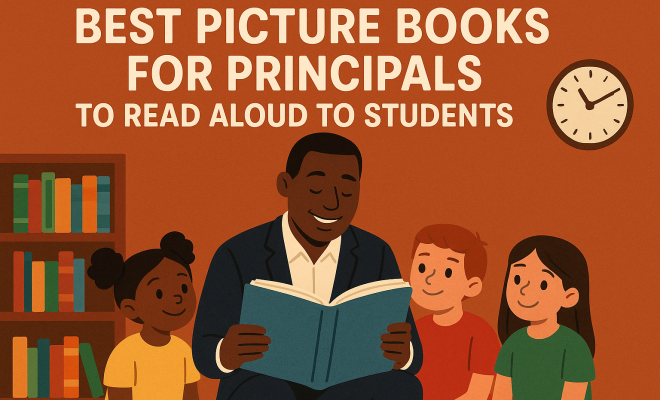
Best Picture Books for Principals to Read Aloud to Students
“`html
Reading aloud to students is a powerful way for principals to connect with their school community. It fosters a love of reading and can inspire young minds in ways that simple administration cannot. If you’re looking to make an impact, consider incorporating the best picture books for principals into your read-aloud sessions. These books not only entertain but also impart valuable lessons on empathy, diversity, resilience, and creativity.
1. “The Name Jar” by Yangsook Choi: Embracing Identity
In “The Name Jar,” a young girl named Unhei moves from Korea to the United States and struggles with her identity. Faced with the challenge of fitting in, she decides to choose an American name. However, her journey leads her to embrace her cultural heritage. This picture book serves as an excellent discussion starter about the importance of names and cultural identity, making it one of the best picture books for principals to read aloud.
When you introduce this book to your students, it opens the floor for conversations about diversity and acceptance. You can encourage students to share their own names and what they mean to them, creating a safe space for dialogue about identity and belonging.
Additionally, consider inviting students to create their own “name jars” where they can write down their names along with the meanings or stories behind them. This activity can deepen their connection to their identities and foster appreciation for each other’s backgrounds.
2. “Last Stop on Market Street” by Matt de la Peña: Finding Beauty in Everyday Life
Matt de la Peña’s “Last Stop on Market Street” follows a young boy, CJ, and his grandmother as they travel through the city on a bus. Their journey unveils the beauty in their surroundings, despite the challenges they face. This book is a gentle reminder that every experience, no matter how mundane, has its own magic.
Reading this book aloud can inspire students to appreciate their own community. Consider organizing a reflection activity where students can share their favorite aspects of their neighborhoods or discuss how they can contribute positively to their surroundings, reinforcing the message of gratitude and perspective.
To extend the lesson, you could also engage students in a community service project. They can volunteer to clean up a local park or help out at a community garden, encouraging them to see the beauty in taking action and making their environment better.
3. “The Day You Begin” by Jacqueline Woodson: Celebrating Differences
Jacqueline Woodson’s “The Day You Begin” resonates deeply with the experiences of children who feel out of place. Through lyrical prose and beautiful illustrations, Woodson encourages readers to embrace their differences and find strength in their unique stories. This book is incredibly relevant for building a community of inclusion.
As a principal, you can utilize this story to foster an environment where every student feels valued. After reading, lead a discussion on the importance of sharing our own stories and learning from others. This can create a sense of unity and empathy among students.
Consider creating an artwork display where students illustrate their unique stories or experiences. You can arrange a gallery walk where students can present their artwork and share their stories, reinforcing their individuality and the value of sharing personal narratives.
4. “I Am Enough” by Grace Byers: Empowering Self-Love
Grace Byers’ “I Am Enough” is a powerful affirmation of self-worth and resilience. With beautiful illustrations and uplifting language, this book encourages children to recognize their value and embrace their individuality. It’s one of the best picture books for principals to read aloud because of its motivating message. (the importance of representation)
After sharing this book, consider leading a workshop focused on self-esteem and personal growth. Activities could include writing affirmations or creating art that represents what makes each student unique. This will not only enhance self-awareness but also promote a positive school culture. (See: Cultural identity overview.)
You might also consider hosting a “self-love day” where students can participate in activities that encourage them to express their strengths and talents. This could involve talent shows, art exhibitions, or storytelling sessions that highlight personal achievements.
5. “The Pigeon Wants a Puppy!” by Mo Willems: Humor and Imagination
Mo Willems is a household name among children’s authors, and “The Pigeon Wants a Puppy!” is a delightful exploration of desire and humor. The book features a pigeon who desperately wants a puppy, and his antics are both entertaining and relatable for young readers. We covered embracing diversity in classrooms in more detail.
Reading this book aloud can bring laughter to your classroom, breaking down barriers and making it a fun experience. It can also spark conversations around wanting versus needing, encouraging students to think critically about their desires. Consider following up with a creative writing exercise where students can write about their own funny wants.
To take it a step further, you could organize a comedic storytelling session where students can share their own humorous stories or skits. This way, they learn the value of imagination while also enjoying the process of creative expression.
6. “The Very Hungry Caterpillar” by Eric Carle: The Journey of Growth
Eric Carle’s classic, “The Very Hungry Caterpillar,” is not just a story about a caterpillar eating its way through various foods; it’s a beautiful metaphor for growth and transformation. The vibrant illustrations and rhythmic text make it an engaging choice for younger students, while its themes of change resonate with all ages.
As a principal, you can tie this book into lessons about growth, both academically and personally. After reading, encourage students to share their own experiences of growth and change. This could lead to a broader discussion about challenges and achievements they’ve faced, fostering a supportive environment.
To enhance the learning experience, consider conducting a growth-themed project where students set personal goals for the school year. They can create visual representations of their goals and track their progress, similar to the caterpillar’s transformation.
7. “All Are Welcome” by Alexandra Penfold: A Celebration of Community
In “All Are Welcome,” Alexandra Penfold paints a picture of a diverse school community where everyone is accepted and celebrated. The book showcases different cultures, backgrounds, and experiences, making it an ideal choice for principals looking to emphasize inclusivity and acceptance.
Reading this book can spark discussions on respect and kindness within the school. Consider creating a project where students can showcase their own cultures and traditions, reinforcing the message that every student’s background is unique and valued. This promotes a sense of belonging among students.
Additionally, organizing cultural exchange days where students can present aspects of their heritage—like food, music, and traditions—can enrich the school community. This encourages students to learn from each other while fostering appreciation for diversity.
8. “What If…” by Samantha Berger: The Power of Perseverance
Samantha Berger’s “What If…” is a poignant story about an artist who faces constant challenges but refuses to give up on her passion. It’s an inspiring tale that emphasizes the importance of resilience and creativity, making it a compelling choice for any principal’s read-aloud session.
This book can lead to meaningful discussions about perseverance in the face of difficulties. After the reading, encourage students to share their own creative pursuits and the obstacles they have overcome. This not only fosters resilience but also inspires a culture of support and encouragement among peers.
Creating a “resilience wall” where students can post stories of challenges they’ve faced and how they overcame them can be a great way to celebrate perseverance. This visual representation can inspire others and promote a growth mindset within the school. (See: Mental health in children.)
9. “The Paper Bag Princess” by Robert Munsch: Redefining Princesses
“The Paper Bag Princess” offers a unique take on fairy tale conventions. Princess Elizabeth learns that true strength and bravery come from within, rather than from traditional notions of beauty and wealth. This book can inspire discussions about gender roles and the qualities of a true leader.
As a principal, you might use this book to facilitate conversations about self-image and the importance of character over appearance. Engage students in activities that encourage them to think critically about how they define themselves and their own unique strengths.
To build on this theme, you could hold a workshop or seminar focusing on the characteristics of strong leaders, inviting students to share their thoughts and ideals about leadership qualities. This can empower them to recognize their own potential as leaders in the school community.
10. “Dragons Love Tacos” by Adam Rubin: The Importance of Preparation
This humorous tale about dragons who adore tacos teaches a valuable lesson about preparation and the consequences of neglecting details. It can be a great way to lighten the mood in your classroom while imparting wisdom about careful planning and the importance of accountability.
After reading “Dragons Love Tacos,” consider organizing a fun cooking session where students can make their own taco creations, emphasizing teamwork and preparation. This can be an enjoyable way to reinforce the lesson while engaging actively with the material.
You can also encourage students to create their own “Dragon’s Recipe Book” where they come up with creative taco recipes. This can include writing instructions and drawing illustrations, blending culinary skills with creative writing.
The Impact of Reading Aloud: More Than Just Stories
The best picture books for principals to read aloud are not just about the stories they tell; they’re about the connections they create and the lessons they impart. Through these narratives, principals can inspire students, foster empathy, and build a sense of community within their schools. By incorporating these powerful stories into your read-aloud sessions, you’ll not only engage your students but also promote a positive school culture that values diversity, resilience, and creativity. This builds on using animation for inclusion.
Frequently Asked Questions (FAQ)
What are the benefits of reading picture books aloud to students?
Reading picture books aloud can enhance language development, improve listening skills, and foster a love for reading. It also promotes critical thinking and encourages emotional intelligence as students connect with characters and themes.
How can principals effectively incorporate picture books into their routines?
Principals can schedule regular read-aloud sessions during assemblies, classroom visits, or community events. Incorporating discussions or activities related to the stories can deepen the impact and engagement.
Are there specific themes that principals should focus on when choosing picture books?
Themes such as diversity, inclusion, resilience, and empathy are particularly valuable in school settings. Choosing books that reflect the experiences and backgrounds of students can foster a more inclusive environment.
How do I choose the right book for my school community?
Get to know your students’ interests and backgrounds. Consult teachers, librarians, and parents for recommendations. Consider selecting books that reflect the diversity of your school community or address current events and relevant social issues.
What role do illustrations play in picture books for read-alouds?
Illustrations are crucial in picture books as they enhance storytelling and help convey emotions and themes. They can captivate students’ attention and provide visual context that enriches the reading experience. (See: Latest education news.)
Can picture books be used to teach academic subjects?
Absolutely! Picture books can effectively introduce concepts in subjects like math, science, and social studies. They can make complex ideas more accessible and relatable, engaging students in different subject areas through storytelling.
Are there any recommended activities to accompany read-aloud sessions?
Follow-up activities could include discussions, writing prompts, art projects, or group activities that connect to the book’s themes. This helps reinforce the lessons and encourages student expression and participation.
How can I encourage parents to read picture books with their children?
Communicate the benefits of reading through newsletters, workshops, or events. Provide reading lists or host family reading nights where parents and children can enjoy stories together. This engagement can strengthen the connection between home and school. See also cultural reflections in media.
What are some good strategies for engaging students during read-alouds?
Use animated voice modulation, ask open-ended questions, and encourage predictions about the story. Involving students in the reading process, such as asking them to help with sound effects or to express their thoughts, can enhance engagement significantly.
How can picture books support social-emotional learning in schools?
Picture books often tackle themes of friendship, empathy, and resilience, making them valuable tools for social-emotional learning. They can help students navigate their feelings and understand the emotions of others, supporting a more compassionate school environment.
What are some tips for selecting diverse picture books?
Look for books that feature characters from various cultures, backgrounds, and experiences. Pay attention to the representation of different communities and ensure that authors from those backgrounds write the stories. This ensures authenticity and enriches the students’ understanding of the world.
How can I create a reading culture in my school?
Encourage regular reading sessions, create cozy reading corners, and promote book clubs or reading challenges. Celebrate Reading Month or World Read Aloud Day to build excitement. Involve parents and the community by hosting events that highlight the importance of reading.
What are effective ways to measure the impact of read-aloud sessions?
Gather feedback through student surveys, conduct discussions to see if students are applying lessons learned, and monitor their reading habits over time. Observing changes in student engagement and enthusiasm for reading can also provide valuable insights into the effectiveness of your read-aloud sessions.
“`
Trending Now
Frequently Asked Questions
What are the best picture books for principals to read aloud?
Some of the best picture books for principals to read aloud include 'The Name Jar' by Yangsook Choi, which addresses identity and cultural heritage, and 'Last Stop on Market Street' by Matt de la Peña, which highlights finding beauty in everyday life. These books foster discussions on empathy, diversity, and community.
How can reading aloud benefit students?
Reading aloud to students helps foster a love of reading, enhances listening skills, and encourages empathy. It also creates a connection between principals and students, allowing for meaningful discussions about important themes and values, such as diversity and community.
Why is it important for principals to read to students?
When principals read to students, it strengthens the school community and promotes a culture of literacy. It allows leaders to model reading behaviors, engage students in valuable conversations, and inspire them to appreciate literature, ultimately enhancing their educational experience.
What themes can picture books teach students?
Picture books can teach a variety of themes, including empathy, resilience, diversity, and creativity. Books like 'The Name Jar' and 'Last Stop on Market Street' provide excellent opportunities for principals to discuss these themes with students, fostering a deeper understanding of their own identities and communities.
How can principals encourage discussions about identity?
Principals can encourage discussions about identity by reading books like 'The Name Jar,' which explores cultural heritage. After reading, they can facilitate conversations about names and their meanings, and even invite students to create their own 'name jars' to share personal stories, promoting a safe space for dialogue.
What did we miss? Let us know in the comments and join the conversation.