Best Exterior House Colors Grey Ideas
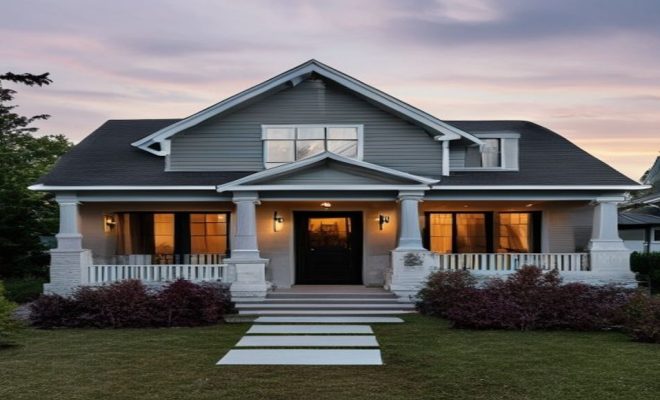
“`html
When it comes to choosing the perfect color for your home’s exterior, grey remains a top favorite for homeowners and designers alike. This versatile hue offers a sense of sophistication and timeless elegance that other colors struggle to achieve. In this article, we’ll explore eight distinct grey exterior house colors, providing insights into their unique characteristics, aesthetic appeal, and practical applications.
1. Light Grey: Soft and Subtle
Light grey is a fantastic choice for homeowners who wish to maintain a clean and contemporary look. It is especially effective in brightening up spaces and is an ideal match for modern architecture. Light grey can be paired with white trim for a crisp contrast that enhances the overall design.
This shade is also versatile enough to complement various materials, including wood, stone, and metal accents. It works beautifully in urban settings, where sleek lines and minimalistic designs are often preferred. Additionally, light grey has the advantage of reflecting light, making smaller homes appear larger and more open.
2. Charcoal Grey: Bold and Dramatic
If you’re looking to make a statement, charcoal grey is the way to go. This deep shade exudes confidence and can lend an air of sophistication to any home. Charcoal grey works well with both traditional and contemporary designs, allowing it to adapt to different architectural styles without losing its charm.
Pairing charcoal grey with vibrant colors, like yellow or teal, can create a stunning contrast that draws the eye. It’s worth noting that this darker hue can absorb more heat, so it’s often best suited for cooler climates where energy efficiency is less of a concern.
3. Greige: The Perfect Blend
Greige—a blend of grey and beige—has surged in popularity due to its warm undertones and adaptability. This neutral color offers a unique twist, allowing it to harmonize beautifully with a variety of other colors and textures. Whether your home features rustic wood accents or sleek metal fixtures, greige can seamlessly tie everything together.
Additionally, greige can evoke a cozy, inviting atmosphere, making it a great choice for homes in suburban neighborhoods. It pairs beautifully with earthy tones and can enhance the surrounding landscape, creating a cohesive and welcoming exterior.
4. Steel Blue Grey: A Touch of Color
For those who want grey with a hint of individuality, steel blue grey is an excellent option. This shade incorporates subtle blue undertones, giving it a refreshing and modern twist. Steel blue grey can evoke feelings of calmness and tranquility, perfect for creating a serene atmosphere around your home.
This color pairs well with white or cream trim, providing a striking contrast that enhances its beauty. It’s particularly effective in coastal areas, where its soft, cool tones echo the colors of the sea and sky, further blending your home into the natural environment.
5. Warm Grey: Cozy and Inviting
Warm grey is characterized by its soft, inviting appearance that radiates comfort. It’s particularly effective for homes that wish to convey a sense of warmth and welcome. Warm grey works exceptionally well with natural materials like wood and stone, enhancing their beauty without competing for attention. (See: Understanding the psychology of color.)
This color is an excellent choice for traditional and cottage-style homes, creating an inviting exterior that draws people in. You can further enhance warm grey with accents of rich colors like deep red or forest green for a more vibrant look.
6. Cool Grey: Sleek and Modern
Cool grey leans toward the blue side of the spectrum, offering a sleek, modern aesthetic that pairs perfectly with contemporary architecture. This color can highlight the clean lines and sharp angles often found in modern designs, creating a cohesive appearance that feels polished and sophisticated.
Cool grey is versatile and can be paired with bold accent colors, such as bright oranges or yellows, to create a striking visual effect. It’s an excellent choice for urban settings where modern style reigns supreme, and its calming nature can help balance the bustling environment.
7. Graphite Grey: Strong and Stylish
Graphite grey is a darker shade that adds depth and intensity to a home’s exterior. It’s a bold choice that can give your home a commanding presence in the neighborhood. Graphite grey pairs beautifully with white trim, creating a classic look that’s both timeless and trendy.
This color is ideal for larger homes or those with expansive landscapes, as it stands out without overwhelming the surroundings. Graphite grey blends beautifully with stone accents and can create a sophisticated look that makes a lasting impression.
8. Dusty Grey: Soft and Elegant
Dusty grey, characterized by its muted tones and subtle sophistication, is a perfect choice for homeowners looking for a refined and understated look. This shade works well in both traditional and modern settings and can be enhanced with various accent colors, from soft pastels to vibrant hues.
With its calming presence, dusty grey helps to create a relaxed atmosphere that invites visitors to linger. It’s particularly effective in garden settings, where the soft tone complements lush greenery and blooming flowers, enhancing your home’s connection to nature.
Choosing the Right Shade of Grey
When selecting the appropriate grey for your home’s exterior, consider the architectural style, surrounding landscape, and your personal preferences. Each shade of grey offers its unique feel and can dramatically change the appearance of your home. For example, light grey may suit a modern home while a darker shade like graphite may complement a traditional brick facade.
It’s also useful to obtain samples of the paint and test them on your home. Lighting can significantly alter how a color appears, so observing the color at different times of the day is essential. This way, you can ensure that your choice aligns with your expectations.
Popular Combinations with Grey
Grey exterior house colors can be paired with a variety of complementary colors to enhance their visual appeal. Popular combinations include:
- Grey and White: The classic pairing gives a fresh and clean look, perfect for both modern and traditional homes.
- Grey and Black: For a more dramatic effect, pairing grey with black can create a striking and sophisticated exterior.
- Grey and Natural Wood: The combination of grey with natural wood tones adds warmth and texture, making the home feel inviting and cozy.
- Grey and Bold Colors: Bright colors like yellow, red, or teal can add a playful touch when used as accents on doors, shutters, or trim.
Expert Perspectives on Grey Exterior Colors
Many architects and designers advocate for grey as a top choice for exteriors due to its versatility. Interior designer Jane Smith notes, “Grey is like a chameleon; it adapts to its surroundings. It can be warm or cool, bright or muted, depending on the light and materials around it.” This adaptability is crucial when trying to achieve a well-rounded aesthetic for your home. (See: Health implications of exterior paint colors.)
Moreover, home staging expert Mike Johnson emphasizes the importance of grey in real estate. “Homes painted in neutral tones like grey often appeal to a broader audience. They create a blank canvas that allows potential buyers to envision their style,” he explains. This insight is particularly valuable for homeowners considering resale.
Statistics on Color Preferences
According to a survey by the National Association of Realtors, 30% of home buyers prefer houses painted in neutral colors, with grey being the most favored choice. This statistic highlights not only the popularity of grey but also its potential impact on home value and buyer interest.
Additionally, a study conducted by Zillow found that homes with grey exteriors sold for an average of 5% more than similar homes with more vibrant colors. This data suggests that choosing the right shade of grey can be a smart investment decision.
Frequently Asked Questions
1. Can I use grey in a coastal area?
Absolutely! Grey works beautifully in coastal settings, particularly shades with blue undertones. Steel blue grey, for example, can mirror the hues of the ocean and sky, creating a tranquil and harmonious look.
2. How do I maintain grey paint?
To keep your grey exterior looking fresh, regular cleaning is key. Use a gentle soap and water solution to wash away dirt and mildew. For surfaces that require it, touch-up paint can help maintain the original color and finish.
3. Are there eco-friendly grey paint options?
Yes, many paint brands now offer eco-friendly options with low or zero volatile organic compounds (VOCs). These paints are better for the environment and your health, providing a great choice for your grey exterior.
4. How do I choose the right shade of grey for my home?
Consider factors like your home’s architectural style, the surrounding environment, and your personal preferences. Testing paint samples on your home in different lighting conditions will also help you find the perfect shade.
5. Is grey a good choice for resale value?
Grey is a popular choice among homebuyers, which can positively affect resale value. Neutral shades often appeal to a broader audience, making your home more marketable.
Emerging Trends in Grey Exterior Colors
As design preferences evolve, grey continues to adapt, with emerging trends shaping how homeowners view this beloved color. Darker shades of grey are becoming increasingly popular as homeowners look to add drama and sophistication to their properties. One trend is the use of matte finishes, which give a modern twist to traditional grey, allowing for a more muted and understated look, ideal for homes in urban settings. (See: Latest trends in home design.)
Another trend gaining traction is combining grey with unexpected accent colors. For instance, pairing a warm grey exterior with a bold mustard yellow door can create a vibrant focal point that adds character while maintaining the home’s overall neutrality. This approach allows homeowners to express their personalities without overwhelming the overall aesthetic.
Regional Preferences for Grey Exterior House Colors
It’s interesting to note that regional preferences can influence the choice of grey shades. In northern states, where snowfall is common, darker greys like charcoal and graphite tend to be favored, as they contrast beautifully against the white landscape and can lend a cozy feel during winter months. In coastal regions, lighter greys like steel blue grey are preferred, mimicking the colors of the ocean and sky and promoting a serene atmosphere.
In warmer climates, lighter shades of grey, such as warm grey and dusty grey, prevail as they reflect sunlight and keep homes cooler. Understanding these regional preferences can help homeowners choose the perfect grey that not only suits their style but also aligns with their geographic location.
Grey and Sustainability
As sustainability becomes an increasingly important consideration for homeowners, selecting eco-friendly paints has also affected color choices. Many manufacturers now produce grey paints that are not only beautiful but also made from natural and sustainable materials. These paints often come with certifications, such as Green Seal or EcoLogo, ensuring they meet high environmental standards.
Choosing sustainably produced grey paints reflects a homeowner’s commitment to protecting the environment while also contributing to healthier indoor air quality. Brands like Benjamin Moore and Sherwin-Williams are now offering extensive lines of eco-conscious paints in various shades of grey, making it easier for homeowners to select options that align with their values.
Maintaining Your Grey Exterior
Regular maintenance is essential to keep your grey exterior looking vibrant and fresh. Here are a few tips:
- Regular Cleaning: Dust, dirt, and algae can accumulate on the surface. Using a pressure washer or a hose with a soft brush can help maintain the cleanliness of your home’s exterior.
- Inspect for Damage: Regularly check for any signs of peeling or fading paint. Touching up these areas promptly can help you avoid larger repairs down the line.
- Seasonal Care: In regions with snow or heavy rains, ensure that your gutters and downspouts are clear to prevent water damage that could affect your paint.
Final Thoughts
Choosing the right grey exterior house colors can significantly impact your home’s aesthetic appeal and overall presence in the neighborhood. The versatility of grey allows homeowners to express their personal style while maintaining a timeless elegance. Whether you prefer light shades for a contemporary look or darker hues for a bold statement, there’s a grey that suits every type of home. Remember to consider your architectural style, surrounding environment, and personal preferences when selecting your perfect shade of grey.
“`
Trending Now
Frequently Asked Questions
What are the best grey colors for exterior house paint?
Some of the best grey colors for exterior house paint include light grey for a clean, contemporary look, charcoal grey for a bold statement, and greige, which combines the warmth of beige with grey's sophistication. Each shade offers unique characteristics that can enhance your home's aesthetic appeal.
How does light grey affect the appearance of a home?
Light grey can brighten up spaces and create an illusion of a larger, more open home. It's particularly effective in modern architecture, especially when paired with white trim, enhancing the overall design with a fresh and clean look.
Is charcoal grey suitable for all architectural styles?
Yes, charcoal grey is versatile and works well with both traditional and contemporary designs. Its bold nature adds sophistication, making it adaptable to various architectural styles while allowing for creative color pairings.
What is greige and why is it popular for exteriors?
Greige is a blend of grey and beige that has gained popularity due to its warm undertones and flexibility. It harmonizes well with different colors and textures, making it an excellent choice for homeowners seeking a neutral yet inviting exterior.
Can dark grey colors absorb heat?
Yes, darker shades like charcoal grey can absorb more heat, which may impact energy efficiency. Therefore, it's often recommended for use in cooler climates where heat absorption is less of a concern, allowing for a stylish yet functional exterior.
Have you experienced this yourself? We'd love to hear your story in the comments.