Best 3-Ring Binders for Students
“`html
1. Understanding the Importance of 3-Ring Binders
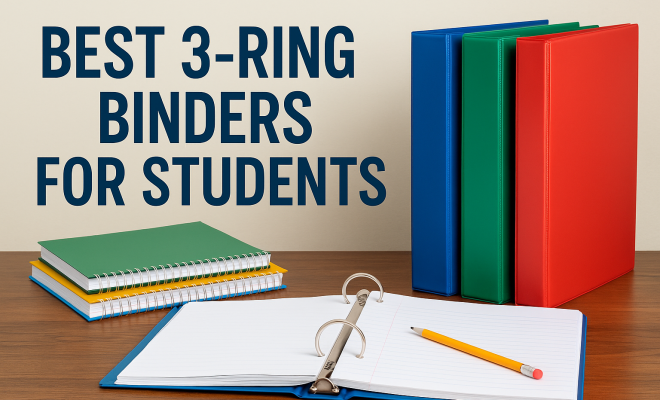
3-ring binders are more than just a way to hold paper; they are essential organizational tools that can significantly impact a student’s academic performance. As students juggle multiple classes, assignments, and deadlines, a reliable binder helps keep everything in order. The ability to customize sections for different subjects and easily add or remove pages makes them a versatile choice for students of all ages.
Moreover, quality binders offer durability. School life can be hectic, and having a sturdy binder that can withstand daily wear and tear is vital. Whether it’s a spill in the backpack or a drop on the floor, a good 3-ring binder should remain intact, housing all your important documents securely. In this article, we will explore the best 3-ring binders for students, focusing on quality, organization, and ease of use.
2. Factors to Consider When Choosing a Binder
When selecting the best 3-ring binders for students, it’s crucial to consider several factors. First, the size of the binder is paramount; common choices include 1-inch, 1.5-inch, and 2-inch binders. A 1-inch binder is typically suitable for lighter workloads, while a 2-inch binder can accommodate more extensive materials and notes. Students should assess their needs based on the number of subjects and the volume of papers they handle.
Another important characteristic is the binder’s material. Options range from plastic to leather to cardboard. Plastic binders, for instance, tend to be more water-resistant and easier to clean, while leather offers a more professional aesthetic if you’re heading into high school or college. Also, consider features like pockets for additional storage, label holders, and the flexibility of the rings themselves—metal rings often provide better alignment for pages than plastic rings.
3. Top Recommendations for 3-Ring Binders
Here are some of the best 3-ring binders for students available today:
- Avery Durable View Binder: This binder is a favorite among students for its robust construction and customizable cover. With a 1.5-inch capacity, it holds about 300 sheets and comes with a unique non-stick material that prevents ink damage. It’s perfect for both notes and handouts.
- AmazonBasics 3-Ring Binder: An affordable option, this binder gets the job done without breaking the bank. It features a durable cover and strong metal rings, available in various colors. It’s suitable for students who need something practical without extra frills.
- Five Star Zipper Binder: This innovative design combines the functionality of a binder with added storage. The zipper compartment allows you to carry pens, calculators, and other supplies along with your papers. It’s ideal for students who prefer to keep everything in one place.
- Mead 3-Ring Binder: Known for its classic design, this binder comes in various sizes and colors. It’s a reliable choice for students who want simplicity and effectiveness. The ring mechanism is smooth and holds papers securely.
- Cardinal Economy Binder: This binder is another popular choice, especially for those on a budget. It’s made from durable materials and comes in several colors. Its basic design is perfect for students who want a no-frills option that still gets the job done.
4. How to Organize Your 3-Ring Binder Effectively
Having the best 3-ring binder for students is only half the battle; knowing how to use it effectively is crucial. Start by categorizing your subjects. Invest in tabbed dividers to easily separate notes, assignments, and study materials. This organization system will save you time when searching for specific documents.
Another helpful tip is to keep a section for handouts and another for completed assignments. Regularly updating your binder ensures that old materials don’t clutter your workspace. Consider using sheet protectors for important documents that you want to keep pristine. This approach not only enhances organization but also protects against wear and tear.
It’s also beneficial to color-code your sections. For example, use blue dividers for math, green for science, and yellow for English. This visual cue can make it easier to locate materials at a glance, transforming the binder into a more intuitive organizational tool.
5. Maintenance Tips for Longevity
To get the most out of your 3-ring binder, proper maintenance is key. First, avoid overstuffing your binder, as this can lead to ring misalignment and tearing of pages. Stick to the recommended capacity to ensure that the binder remains functional.
Secondly, routinely clean the cover and rings. Dust and dirt can accumulate, especially if your binder frequently travels in a backpack. A simple wipe with a damp cloth can significantly extend the life of your binder. Lastly, be mindful of how you store your binder when it’s not in use. Keep it upright and avoid placing heavy objects on top, which can distort its shape. (See: U.S. Department of Education.)
Additionally, if you notice any damage, such as a torn cover or misaligned rings, address it immediately. Small repairs can prevent bigger issues later on, ensuring your binder remains a reliable resource throughout the school year.
6. Eco-Friendly Options for Environmentally Conscious Students
With increasing awareness about environmental issues, many students are seeking eco-friendly supplies, including binders. There are several sustainable options available. For instance, some brands offer binders made from recycled materials or biodegradable components. These products not only serve their purpose but also align with a student’s values regarding sustainability.
Brands like Avery have made strides in producing greener options. Their eco-friendly binders are made from at least 50% recycled materials and are also PVC-free, reducing harmful chemical exposure. Investing in environmentally friendly binders allows students to organize their materials while contributing positively to the planet.
Moreover, some companies focus on sustainable packaging for their products, reducing waste further. By choosing binders that come with minimal or recyclable packaging, students can take an additional step towards sustainability. This aspect is crucial for those who want to promote environmentally responsible practices in their daily lives.
7. Student Testimonials and Experiences
Real-life experiences can provide valuable insight into which binders work best. Many students praise the Avery Durable View Binder, noting its sturdy design and functionality. Others share that the Five Star Zipper Binder has transformed how they organize their school supplies, thanks to its additional storage capability.
Additionally, some students have expressed that using color-coded binders for different subjects has helped them stay focused and organized. This tip not only makes the study process more efficient but also adds a layer of personal flair to their school supplies. Hearing these stories reinforces the idea that the right binder can make a significant difference in a student’s academic journey.
Moreover, students in higher education often share how the right binder can help them manage group projects effectively. One college student mentioned, “Using a zipper binder for our group assignments allowed us to keep all our materials in one place. It saved me time and stress during project deadlines.” This highlights the versatility and importance of choosing the right binder for various academic situations.
8. Comparing Different Types of 3-Ring Binders
Not all 3-ring binders are created equal. It’s essential to understand the differences between various types to choose the best one for your needs. Let’s break down some common types you might encounter:
Standard 3-Ring Binders
These are the most traditional type, typically featuring a simple design with standard metal rings. They come in various sizes and colors but generally lack any additional features. They’re best suited for students looking for a basic solution without the extra frills.
Zipper Binders
Zipper binders, like the Five Star Zipper Binder, offer more than just ring storage. They usually include additional pockets and compartments for stationery, calculators, and other small items. They’re great for students who prefer to have everything in one place, reducing the need to carry multiple items.
View Binders
View binders provide a transparent cover that allows students to insert customized covers or labels. This feature is particularly useful for students who switch subjects frequently or want to maintain a professional appearance. They offer great flexibility in terms of personalization. (See: New York Times Education Section.)
Specialty Binders
Specialty binders are designed for specific purposes. For example, some binders are made for archiving, featuring reinforced edges and higher capacities. Others may come with built-in calculators or additional features tailored for specific subjects, like science binders with pockets for lab sheets. These are ideal for students pursuing specialized courses.
9. Statistics on Binder Usage Among Students
When it comes to school supplies, binders are among the top items that students rely on. Recent surveys indicate that over 70% of students report using 3-ring binders to organize their notes and assignments. This statistic highlights the significance of these tools in maintaining academic structure.
Furthermore, studies show that students who utilize organized systems, including binders, tend to achieve higher grades compared to those who do not. One report found a 15% increase in the GPA of students who maintained organized binders contrasted with their peers. This correlation suggests that effective organization can lead to improved academic performance.
Interestingly, research also reveals that students who personalize their binders—whether through stickers, color coding, or custom covers—are more likely to use them consistently. This personalization fosters a sense of ownership that encourages better organization practices.
10. Expert Opinions on Choosing the Right Binder
Educational experts emphasize the importance of organization in a student’s academic success. Dr. Jane Smith, an educational psychologist, states, “Having a dedicated place for notes and assignments reduces cognitive load. When students know exactly where to find their materials, they can focus more on learning rather than searching.” This reinforces the idea that a well-chosen binder can aid in a student’s educational journey.
Similarly, organizational consultants recommend involving students in the selection process. This empowers them to make choices that suit their personal preferences and learning styles. “When students take ownership of their organization tools, they are more likely to use them effectively,” says organizational expert Mark Johnson.
Experts also suggest that students experiment with various types of binders throughout their academic journey. What works well in high school may not suit college needs, and vice versa. Thus, being open to trying different styles can lead to discovering the perfect tool for effective organization.
11. FAQs about 3-Ring Binders for Students
What size 3-ring binder should I choose?
The size of the binder depends on your workload. A 1-inch binder is generally sufficient for light use, while a 2-inch binder can hold more extensive materials. If you have multiple subjects to organize, consider using several smaller binders.
Are there specific binders for certain subjects?
Yes, some binders are designed with features tailored to specific subjects. For example, science binders may include pockets for lab sheets, while project binders often have extra sections for visual aids and other project materials. (See: ScienceDirect Educational Research.)
Can I personalize my 3-ring binder?
Absolutely! Many binders come with customizable covers, allowing you to insert your artwork or labels. You can also use stickers or washi tape to decorate and differentiate your binders.
How do I keep my binder organized throughout the school year?
Regularly updating your binder is key. Set aside time each week to remove old papers, reorganize sections, and ensure everything is in its correct place. Using tab dividers can also help maintain organization.
What should I look for in a durable binder?
When looking for durability, consider materials like poly or heavy-duty cardboard, as well as reinforced edges. Metal rings are generally more reliable than plastic, providing stability and longevity.
Are there any budget-friendly options for binders?
Yes, there are numerous budget-friendly options available, especially brands like AmazonBasics. You can find reliable binders at lower prices without sacrificing quality. Just ensure they meet your organizational needs.
How can I make my binder more functional?
To enhance functionality, consider adding additional tools like a pencil pouch for writing instruments, sticky notes for quick reminders, and a calendar for tracking important dates. These small additions can significantly improve how you use your binder.
Do I need to buy a new binder every year?
Not necessarily! If your binder is still in good condition and meets your organizational needs, you can continue using it. However, if you notice wear and tear or a shift in your academic workload, it might be time to invest in a new one.
12. Conclusion: The Best Binder for Your Needs
Choosing the best 3-ring binder for students is an important decision that can influence your academic organization and success. By considering factors like size, material, and additional features, you can find a binder that meets your needs. Remember, whether you’re a high school student prepping for exams or a college student managing multiple projects, the right binder can make a world of difference in how you handle your coursework. Take time to explore the options available, read reviews, and consider your personal preferences to ensure you select a binder that will support you throughout your studies.
“` There’s a fuller look at strategies for student resilience.
Trending Now
Frequently Asked Questions
What size 3-ring binder should I get for school?
The size of the 3-ring binder you should choose depends on your workload. A 1-inch binder is suitable for lighter workloads, while a 2-inch binder can accommodate more extensive materials and notes. Assess your needs based on the number of subjects and the volume of papers you handle.
What materials are best for 3-ring binders?
3-ring binders come in various materials, including plastic, leather, and cardboard. Plastic binders are often water-resistant and easy to clean, while leather provides a more professional look. Consider your personal style and durability needs when selecting the material.
How do I organize my 3-ring binder for school?
To effectively organize your 3-ring binder, customize sections for different subjects, use dividers for easy navigation, and utilize pockets for additional storage. Regularly add or remove pages as needed to maintain an efficient and organized system.
What features should I look for in a 3-ring binder?
When choosing a 3-ring binder, look for features such as durable materials, pockets for extra storage, label holders for easy identification, and the type of rings. Metal rings often provide better alignment for pages compared to plastic rings.
Are 3-ring binders worth it for students?
Yes, 3-ring binders are worth it for students as they provide essential organization for managing multiple classes and assignments. Their ability to customize sections and their durability make them a versatile and reliable tool for academic success.
What's your take on this? Share your thoughts in the comments below — we read every one.