Global Flight Chaos: 311 Delays, 29 Cancellations on April 12, 2026
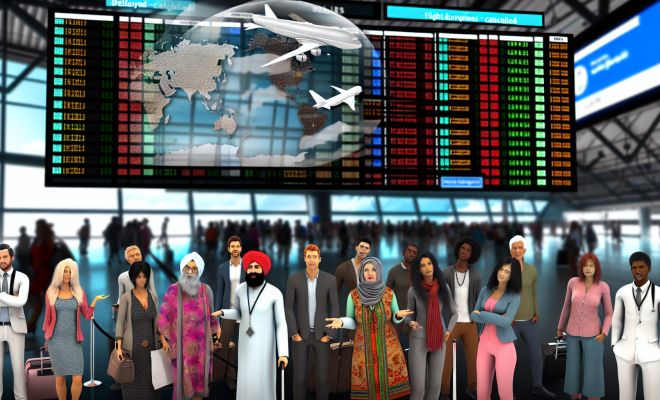
On April 12, 2026, air travelers faced a frustrating day as flight disruptions affected seven countries across four continents. This widespread chaos led to a staggering 311 flight delays and 29 cancellations, impacting travelers in Canada, the United States, China, Germany, Bahrain, Qatar, and Russia. The operational challenges at major hubs in North America, Europe, the Middle East, and Asia were not attributed to a single event, but rather a combination of minor issues that collectively triggered significant global repercussions for airlines and passengers alike.
Understanding the Causes of Disruptions
According to operational data and industry reports, the disruptions on April 12 were the result of a series of scattered problems at various key aviation hubs. While such occurrences are not uncommon in the airline industry, the cumulative effect of these disruptions highlighted a vulnerability in the global travel infrastructure.
Regional Breakdown of Flight Delays and Cancellations
Flight operations across several regions were severely impacted, leading to cascading delays. Below is a breakdown of the disruptions by region:
- North America: Significant delays were reported in both Canada and the United States. Major airports such as Newark Liberty International Airport and Toronto Pearson International Airport experienced operational challenges that contributed to the overall disruption.
- Europe: Germany was notably affected, with airports like Frankfurt Airport reporting a substantial number of delays. The interconnected nature of European air travel meant that these delays quickly spread to neighboring countries.
- The Middle East: Qatar and Bahrain saw their flight schedules disrupted, primarily due to operational issues that overwhelmed their air traffic control systems, causing delays and cancellations.
- Asia: China also faced significant delays, with major airports like Beijing Capital International Airport experiencing challenges that further complicated travel plans for passengers.
- Russia: Although not as heavily impacted as other regions, Russian airports reported a few significant delays that contributed to the overall statistics.
The Ripple Effect on Passengers
The impact of these flight disruptions extended beyond just cancelled flights and delays; they significantly affected travelers’ plans worldwide. Passengers were left stranded in airports, scrambling to find alternative flights or accommodations, and many faced missed connections that derailed their travel itineraries.
Travelers reported long lines at ticket counters as airlines worked to accommodate those affected by the cancellations. Some passengers expressed frustration not only with the delays but also with the lack of timely communication from airlines regarding the status of their flights. This situation underscored the importance of clear communication and efficient customer service in the airline industry, particularly during times of widespread disruptions.
Airline Responses to the Crisis
In response to the chaos, airlines implemented various measures to mitigate the fallout from the disruptions. These included:
- Prioritizing Customer Service: Airlines increased staffing at their customer service desks to help passengers navigate the challenges they faced.
- Offering Flexible Rebooking Options: Many airlines provided options for passengers to change their flight itineraries without incurring additional fees, recognizing the inconvenience caused by the disruptions.
- Enhanced Communication: Airlines utilized social media and mobile apps to keep passengers informed about delays and cancellations, aiming to provide real-time updates.
Lessons Learned from the Disruptions
The April 12 disruptions served as a wake-up call for the aviation industry, highlighting the fragility of global travel networks and the need for improved operational resilience. Expert analysts noted that while minor issues can occur regularly, it is crucial for airlines and airports to develop more robust systems to handle such challenges to minimize the impact on passengers.
As the world continues to recover from the pandemic and air travel ramps back up, the industry must adapt to evolving challenges. This incident illustrates the need for airlines to invest in technology that enhances operational efficiency and streamlines communication, ultimately leading to a better travel experience for passengers.
Looking Ahead: The Future of Air Travel
As we move forward, it is essential for airlines and airport authorities to learn from the events of April 12. The travel industry must prioritize the development of comprehensive contingency plans that can be activated in response to similar disruptions in the future.
With ongoing advancements in technology and increased collaboration among airlines, airports, and regulatory bodies, there is hope for a more resilient air travel system that can withstand the complexities of modern global travel. Travelers can only hope that the lessons learned from this widespread disruption will lead to a more efficient and passenger-friendly flying experience in the future.