The Edvocate

Top Menu

Main Menu

  • Start Here
    • Our Brands
    • Governance
      • Lynch Education Consulting, LLC.
      • Dr. Lynch’s Personal Website
      • Careers
    • Write For Us
    • Books
    • The Tech Edvocate Product Guide
    • Contact Us
    • The Edvocate Podcast
    • Edupedia
    • Pedagogue
    • Terms and Conditions
    • Privacy Policy
  • PreK-12
    • Assessment
    • Assistive Technology
    • Best PreK-12 Schools in America
    • Child Development
    • Classroom Management
    • Early Childhood
    • EdTech & Innovation
    • Education Leadership
    • Equity
    • First Year Teachers
    • Gifted and Talented Education
    • Special Education
    • Parental Involvement
    • Policy & Reform
    • Teachers
  • Higher Ed
    • Best Colleges and Universities
    • Best College and University Programs
    • HBCU’s
    • Diversity
    • Higher Education EdTech
    • Higher Education
    • International Education
  • Advertise
  • The Tech Edvocate Awards
    • The Awards Process
    • Finalists and Winners of The 2026 Tech Edvocate Awards
    • Finalists and Winners of The 2025 Tech Edvocate Awards
    • Finalists and Winners of The 2024 Tech Edvocate Awards
    • Finalists and Winners of The 2023 Tech Edvocate Awards
    • Finalists and Winners of The 2021 Tech Edvocate Awards
    • Finalists and Winners of The 2022 Tech Edvocate Awards
    • Finalists and Winners of The 2020 Tech Edvocate Awards
    • Finalists and Winners of The 2019 Tech Edvocate Awards
    • Finalists and Winners of The 2018 Tech Edvocate Awards
    • Finalists and Winners of The 2017 Tech Edvocate Awards
    • Award Seals
  • Apps
    • GPA Calculator for College
    • GPA Calculator for High School
    • Cumulative GPA Calculator
    • Grade Calculator
    • Weighted Grade Calculator
    • Final Grade Calculator
  • The Tech Edvocate
  • Post a Job
  • AI Powered Personal Tutor

logo

The Edvocate

  • Start Here
    • Our Brands
    • Governance
      • Lynch Education Consulting, LLC.
      • Dr. Lynch’s Personal Website
        • My Speaking Page
      • Careers
    • Write For Us
    • Books
    • The Tech Edvocate Product Guide
    • Contact Us
    • The Edvocate Podcast
    • Edupedia
    • Pedagogue
    • Terms and Conditions
    • Privacy Policy
  • PreK-12
    • Assessment
    • Assistive Technology
    • Best PreK-12 Schools in America
    • Child Development
    • Classroom Management
    • Early Childhood
    • EdTech & Innovation
    • Education Leadership
    • Equity
    • First Year Teachers
    • Gifted and Talented Education
    • Special Education
    • Parental Involvement
    • Policy & Reform
    • Teachers
  • Higher Ed
    • Best Colleges and Universities
    • Best College and University Programs
    • HBCU’s
    • Diversity
    • Higher Education EdTech
    • Higher Education
    • International Education
  • Advertise
  • The Tech Edvocate Awards
    • The Awards Process
    • Finalists and Winners of The 2026 Tech Edvocate Awards
    • Finalists and Winners of The 2025 Tech Edvocate Awards
    • Finalists and Winners of The 2024 Tech Edvocate Awards
    • Finalists and Winners of The 2023 Tech Edvocate Awards
    • Finalists and Winners of The 2021 Tech Edvocate Awards
    • Finalists and Winners of The 2022 Tech Edvocate Awards
    • Finalists and Winners of The 2020 Tech Edvocate Awards
    • Finalists and Winners of The 2019 Tech Edvocate Awards
    • Finalists and Winners of The 2018 Tech Edvocate Awards
    • Finalists and Winners of The 2017 Tech Edvocate Awards
    • Award Seals
  • Apps
    • GPA Calculator for College
    • GPA Calculator for High School
    • Cumulative GPA Calculator
    • Grade Calculator
    • Weighted Grade Calculator
    • Final Grade Calculator
  • The Tech Edvocate
  • Post a Job
  • AI Powered Personal Tutor
  • California’s Game-Changing Move: Can New Laws Finally Protect Kids from Big Tech’s Grasp?

  • This Bill Could Devastate Vulnerable Kids, Warns Veteran Lawman

  • Revealed: The Untold 9/11 Health Crisis Quietly Affecting a New Generation

  • Unprecedented AI Restrictions in Schools: Why Millions of Students Are Losing Access

  • The Future of Instructional Design Careers: Skills Needed for Success with AI Tools like ezSuite™

  • The AI Revolution: Is This New Tool the Ultimate Game-Changer for Instructional Designers?

  • The AI Revolution in EdTech: 8 Ways ezSuite Will Change How You Create Content

  • The AI Content Revolution: Why Publishers Are Scrambling to Adapt

  • The Looming Crisis: How Ghana’s Faculty Recruitment Wars Threaten Academic Freedom

  • Ghana’s Higher Ed Crisis: Why the UTAG-UG GTEC Academic Freedom Debate Has Educators on Edge

Uncategorized
Home›Uncategorized›Over 25% of Private US Colleges Face Closure by 2034

Over 25% of Private US Colleges Face Closure by 2034
By Matthew Lynch
April 13, 2026
0
Spread the love

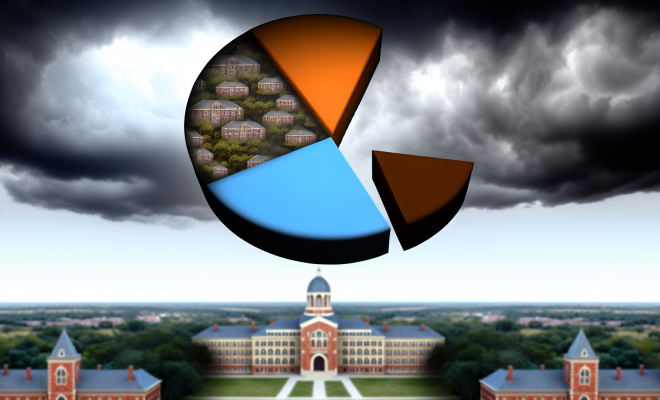
The landscape of private higher education in the United States is facing unprecedented challenges, with a recent projection indicating that more than a quarter of private colleges are at risk of closing or merging within the next decade. This alarming statistic underscores the precarious financial health of these institutions, which collectively serve around 670,000 students across the country.

Financial Strain on Private Colleges

According to research conducted by Robert Kelchen, director of the Institute of Higher Education at the University of Tennessee, Knoxville, as many as 442 out of the nation’s 1,700 private, nonprofit four-year colleges could be on the brink of closure. This projection comes at a time when nearly a third of these institutions reported financial deficits in the 2024 academic year. The financial pressures faced by private colleges are multifaceted, resulting from a combination of declining enrollment, rising operational costs, and increased competition from public universities and online education.

The Impacts of Declining Enrollment

One of the most significant factors contributing to the financial instability of private colleges is the decline in student enrollment. The demographic shift in the U.S. population has resulted in fewer high school graduates entering the college system. Additionally, many prospective students are increasingly drawn to public institutions, which often offer more affordable tuition rates and a wider array of programs.

The competition for students has intensified, with private colleges needing to not only attract new students but also retain those already enrolled. This has led many institutions to invest heavily in marketing and recruitment efforts, further straining their financial resources.

Case Studies: Colleges That Have Closed

The challenges facing private colleges are illustrated by the recent closure of several institutions. For instance, a small college in Vermont announced that it would conclude its final semester, marking a significant loss for the local community and the students who were counting on its programs. This closure is not an isolated incident; it reflects a broader trend of financial distress among private colleges.

  • Vermont College: Recently closed after failing to meet financial sustainability.
  • Other Closures: A number of private colleges across the country have shut down in the last few years, adding to the growing list of institutions that could not survive the economic pressures.

Financial Models in Jeopardy

Many private colleges operate on financial models that rely heavily on tuition revenue, which can be volatile. With rising operational costs, including faculty salaries, maintenance of facilities, and student services, the financial health of these institutions is increasingly tenuous. Furthermore, the need for investment in technology and infrastructure to remain competitive has created additional burdens.

Kelchen’s report highlights that institutions that do not adapt to the changing landscape of higher education may find themselves unable to sustain operations. As students seek more affordable and accessible education options, private colleges must reevaluate their financial strategies to remain viable.

The Future of Private Higher Education

As we look toward the future, the predictions for private colleges remain sobering. The potential closure of over 400 institutions would not only impact the educational landscape but could also have broader implications for local economies and communities that rely on these colleges for jobs and economic activity.

In light of these challenges, many private colleges are beginning to explore innovative solutions to secure their futures. This includes:

  • Partnerships: Collaborating with other institutions to share resources and programs.
  • Program Diversification: Offering new courses and degrees that meet the evolving demands of the job market.
  • Financial Aid Strategies: Increasing efforts to provide scholarships and financial support to attract students.

Community and Legislative Support

Support from local communities and lawmakers will also play a crucial role in determining the fate of these institutions. Advocating for policies that provide financial aid and support to struggling colleges can help alleviate some of the financial pressures they face. As stakeholders recognize the value of preserving diverse educational options, collaborative efforts may emerge to safeguard the future of these colleges.

Conclusion

The future of private higher education in the United States hangs in the balance as more than a quarter of institutions face the risk of closure within the next ten years. With financial deficits becoming more common and enrollment declines posing significant challenges, it is imperative for these colleges to adapt and innovate. Stakeholders must come together to ensure that private colleges can continue to provide quality education and contribute to the rich tapestry of American higher education.

Previous Article

New Accreditation Rules 2026: Threat to Academic ...

Next Article

Boost Toddler Brainpower: Limit Screen Time for ...

Matthew Lynch

Related articles More from author

  • Uncategorized

    Scrap New Higher Education Funding Model, Parents Urge

    January 2, 2025
    By Matthew Lynch
  • Uncategorized

    Why Millions Are Turning to AI Chatbots for Financial Advice (and If You Should Too)

    August 13, 2026
    By Matthew Lynch
  • Uncategorized

    Exciting Xbox Game Releases to Watch for March 16–20, 2026

    March 16, 2026
    By Matthew Lynch
  • Uncategorized

    12 Best All Inclusive Resorts for Toddlers

    June 28, 2026
    By Matthew Lynch
  • Uncategorized

    Conversational AI Transforms Healthcare Consumerization by 2026

    May 17, 2026
    By Matthew Lynch
  • Uncategorized

    1 Million Exposed AI Services: A Critical Security Threat

    May 5, 2026
    By Matthew Lynch

Search

Registration and Login

  • Log in
  • Entries feed
  • Comments feed
  • WordPress.org

Newsletter

Signup for The Edvocate Newsletter and have the latest in P-20 education news and opinion delivered to your email address!

RSS feed: Matthew on Education Week Matthew on Education Week

  • Au Revoir from Education Futures November 20, 2018 Matthew Lynch
  • 6 Steps to Data-Driven Literacy Instruction October 17, 2018 Matthew Lynch
  • Four Keys to a Modern IT Approach in K-12 Schools October 2, 2018 Matthew Lynch
  • What's the Difference Between Burnout and Demoralization, and What Can Teachers Do About It? September 27, 2018 Matthew Lynch
  • Revisiting Using Edtech for Bullying and Suicide Prevention September 10, 2018 Matthew Lynch

About Us

The Edvocate was created in 2014 to argue for shifts in education policy and organization in order to enhance the quality of education and the opportunities for learning afforded to P-20 students in America. What we envisage may not be the most straightforward or the most conventional ideas. We call for a relatively radical and certainly quite comprehensive reorganization of America’s P-20 system.

That reorganization, though, and the underlying effort, will have much to do with reviving the American education system, and reviving a national love of learning.  The Edvocate plans to be one of key architects of this revival, as it continues to advocate for education reform, equity, and innovation.

Newsletter

Signup for The Edvocate Newsletter and have the latest in P-20 education news and opinion delivered to your email address!

Contact

The Edvocate
910 Goddin Street
Richmond, VA 23230
(601) 630-5238
[email protected]
  • situs togel online
  • dentoto
  • situs toto 4d
  • situs toto slot
  • toto slot 4d
Copyright (c) 2026 Matthew Lynch. All rights reserved.