The Edvocate

Top Menu

Main Menu

  • Start Here
    • Our Brands
    • Governance
      • Lynch Education Consulting, LLC.
      • Dr. Lynch’s Personal Website
      • Careers
    • Write For Us
    • Books
    • The Tech Edvocate Product Guide
    • Contact Us
    • The Edvocate Podcast
    • Edupedia
    • Pedagogue
    • Terms and Conditions
    • Privacy Policy
  • PreK-12
    • Assessment
    • Assistive Technology
    • Best PreK-12 Schools in America
    • Child Development
    • Classroom Management
    • Early Childhood
    • EdTech & Innovation
    • Education Leadership
    • Equity
    • First Year Teachers
    • Gifted and Talented Education
    • Special Education
    • Parental Involvement
    • Policy & Reform
    • Teachers
  • Higher Ed
    • Best Colleges and Universities
    • Best College and University Programs
    • HBCU’s
    • Diversity
    • Higher Education EdTech
    • Higher Education
    • International Education
  • Advertise
  • The Tech Edvocate Awards
    • The Awards Process
    • Finalists and Winners of The 2026 Tech Edvocate Awards
    • Finalists and Winners of The 2025 Tech Edvocate Awards
    • Finalists and Winners of The 2024 Tech Edvocate Awards
    • Finalists and Winners of The 2023 Tech Edvocate Awards
    • Finalists and Winners of The 2021 Tech Edvocate Awards
    • Finalists and Winners of The 2022 Tech Edvocate Awards
    • Finalists and Winners of The 2020 Tech Edvocate Awards
    • Finalists and Winners of The 2019 Tech Edvocate Awards
    • Finalists and Winners of The 2018 Tech Edvocate Awards
    • Finalists and Winners of The 2017 Tech Edvocate Awards
    • Award Seals
  • Apps
    • GPA Calculator for College
    • GPA Calculator for High School
    • Cumulative GPA Calculator
    • Grade Calculator
    • Weighted Grade Calculator
    • Final Grade Calculator
  • The Tech Edvocate
  • Post a Job
  • AI Powered Personal Tutor

logo

The Edvocate

  • Start Here
    • Our Brands
    • Governance
      • Lynch Education Consulting, LLC.
      • Dr. Lynch’s Personal Website
        • My Speaking Page
      • Careers
    • Write For Us
    • Books
    • The Tech Edvocate Product Guide
    • Contact Us
    • The Edvocate Podcast
    • Edupedia
    • Pedagogue
    • Terms and Conditions
    • Privacy Policy
  • PreK-12
    • Assessment
    • Assistive Technology
    • Best PreK-12 Schools in America
    • Child Development
    • Classroom Management
    • Early Childhood
    • EdTech & Innovation
    • Education Leadership
    • Equity
    • First Year Teachers
    • Gifted and Talented Education
    • Special Education
    • Parental Involvement
    • Policy & Reform
    • Teachers
  • Higher Ed
    • Best Colleges and Universities
    • Best College and University Programs
    • HBCU’s
    • Diversity
    • Higher Education EdTech
    • Higher Education
    • International Education
  • Advertise
  • The Tech Edvocate Awards
    • The Awards Process
    • Finalists and Winners of The 2026 Tech Edvocate Awards
    • Finalists and Winners of The 2025 Tech Edvocate Awards
    • Finalists and Winners of The 2024 Tech Edvocate Awards
    • Finalists and Winners of The 2023 Tech Edvocate Awards
    • Finalists and Winners of The 2021 Tech Edvocate Awards
    • Finalists and Winners of The 2022 Tech Edvocate Awards
    • Finalists and Winners of The 2020 Tech Edvocate Awards
    • Finalists and Winners of The 2019 Tech Edvocate Awards
    • Finalists and Winners of The 2018 Tech Edvocate Awards
    • Finalists and Winners of The 2017 Tech Edvocate Awards
    • Award Seals
  • Apps
    • GPA Calculator for College
    • GPA Calculator for High School
    • Cumulative GPA Calculator
    • Grade Calculator
    • Weighted Grade Calculator
    • Final Grade Calculator
  • The Tech Edvocate
  • Post a Job
  • AI Powered Personal Tutor
  • What Is Project-Based Learning and How Can I Use It With My Students

  • 7 Astonishing Ways AI is Quietly Reshaping University Policies Right Now

  • Unveiling the Controversial Texas Teacher Retention Allotment: Your Paycheck Rights Explained

  • 5 Middle School Fashion Trends That Leave Teachers Scratching Their Heads

  • This Crucial Mistake Is Quietly Eroding Parents’ Futures

  • Urgent Warning: Student Loan Chaos Looms — This Bill Could Be Your Only Hope

  • What’s Next in Education: K-12 and Higher Ed Leaders on 2027

  • 8 Essential Shifts to Prepare Students for AI Careers in Education

  • Outrageous: Biden Administration’s Head Start Pay Reversal Could Slash Teacher Wages

  • Staggering New Trump Rules Hike Federal Loan Bills for California Students

Early Childhood
Home›Early Childhood›Master Vowel Digraphs: Your Essential Guide

Master Vowel Digraphs: Your Essential Guide

By Matthew Lynch
April 22, 2022
0
Spread the love

A vowel digraph refers to the distinctive perception of one sound when two vowels are placed together in one word. e.g., ow, oa, ie, ea. For learners, vowel digraphs tend to be more challenging than consonant digraphs. This is because they must understand the two different vowel letters beside one another, usually in the middle of a word, to express only one sound.

Some vowel digraphs appear with those that are doubled letters, such as the ee in feet and oo in moon. These vowel digraphs represent a sound that’s different from the sound generated by a single instance of that letter alone, such as e in bed and o in hot. Some vowel digraphs are combinations of two distinct vowel letters that together make a single sound, such as ea in peach, ai in rain, and oa in coat. Vowel digraphs that might make more than one sound depending on the word are usually more challenging for the students. For example, the oo in book is pronounced differently from the oo in moon. Additionally, there’re several vowel digraphs that originally represent diphthongs or two vowel sounds merged into one. For example, the vowel digraph oi as in coin or ou as in pout represent a combined vowel sound that’s actually one vowel sound moving into another. Other diphthongs that lots of teachers combine with vowel digraphs are the sounds that are represented by a vowel letter along with the letter y or w, which together form a vowel sound. Some examples include the digraph oy in the word toy, ou in the word cloud, and ow in the word cow.

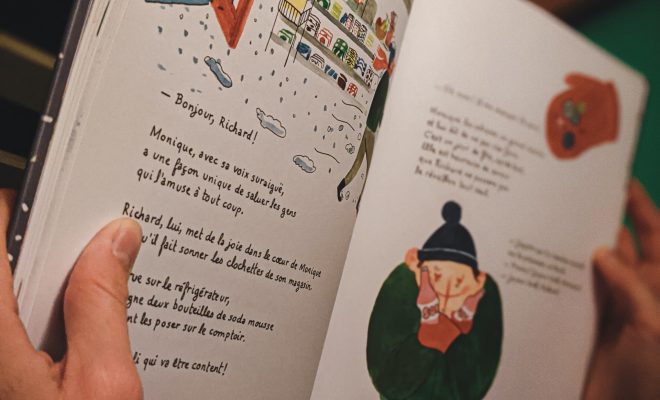
Teachers can use several techniques to make learning vowel digraphs easier for the students. First, they should introduce the basic vowel digraphs, such as ai, and read out the words comprising ai like brain, gain, etc. Once students are able to remember a vowel digraph, teachers can move forward with blending that digraph in other words. Using pictorial representation is a useful method to help students gain a basic understanding of those words. There’re also many videos, board books, and poster of vowel digraphs available that teachers can use. There’re some books available that are specifically written to emphasize letter sounds, particularly when they’re digraphs. They might even highlight the digraphs and their sounds using different colors in the text to help kids easily notice them. These books can help to give students context when using words that comprise vowel digraphs in real sentences.

Previous Article

Master Close Reading: A Powerful Classroom Teaching ...

Next Article

Remote Learning’s Hidden Security Risk

Matthew Lynch

Related articles More from author

  • Child DevelopmentEarly ChildhoodPsychology and Education

    A Guide to Writing Observation Reports

    February 16, 2021
    By Matthew Lynch
  • Early ChildhoodParenting

    Toddler Apps, Tools, and Resources That We Love

    August 15, 2021
    By Matthew Lynch
  • Early ChildhoodElementary Education

    Witnessing Violence: The Damaging Impact on Children’s Mental Health

    November 27, 2016
    By Matthew Lynch
  • Child DevelopmentEarly Childhood

    Standardized Testing: Destroying Kids’ Creativity Since 2002?

    December 27, 2019
    By Matthew Lynch
  • Early ChildhoodLearning Strategies, Tactics, and Methods

    24 Genius Tricks: Get Kids to Follow Directions & Instructions

    September 8, 2021
    By Matthew Lynch
  • Early ChildhoodTeachers

    Phonics: Everything You Need to Know

    August 24, 2022
    By Matthew Lynch

Search

Registration and Login

  • Log in
  • Entries feed
  • Comments feed
  • WordPress.org

Newsletter

Signup for The Edvocate Newsletter and have the latest in P-20 education news and opinion delivered to your email address!

RSS feed: Matthew on Education Week Matthew on Education Week

  • Au Revoir from Education Futures November 20, 2018 Matthew Lynch
  • 6 Steps to Data-Driven Literacy Instruction October 17, 2018 Matthew Lynch
  • Four Keys to a Modern IT Approach in K-12 Schools October 2, 2018 Matthew Lynch
  • What's the Difference Between Burnout and Demoralization, and What Can Teachers Do About It? September 27, 2018 Matthew Lynch
  • Revisiting Using Edtech for Bullying and Suicide Prevention September 10, 2018 Matthew Lynch

About Us

The Edvocate was created in 2014 to argue for shifts in education policy and organization in order to enhance the quality of education and the opportunities for learning afforded to P-20 students in America. What we envisage may not be the most straightforward or the most conventional ideas. We call for a relatively radical and certainly quite comprehensive reorganization of America’s P-20 system.

That reorganization, though, and the underlying effort, will have much to do with reviving the American education system, and reviving a national love of learning.  The Edvocate plans to be one of key architects of this revival, as it continues to advocate for education reform, equity, and innovation.

Newsletter

Signup for The Edvocate Newsletter and have the latest in P-20 education news and opinion delivered to your email address!

Contact

The Edvocate
910 Goddin Street
Richmond, VA 23230
(601) 630-5238
[email protected]
  • situs togel online
  • dentoto
  • situs toto 4d
  • situs toto slot
  • toto slot 4d
Copyright (c) 2026 Matthew Lynch. All rights reserved.