California’s 2026 Smartphone Ban: A New Era for Schools
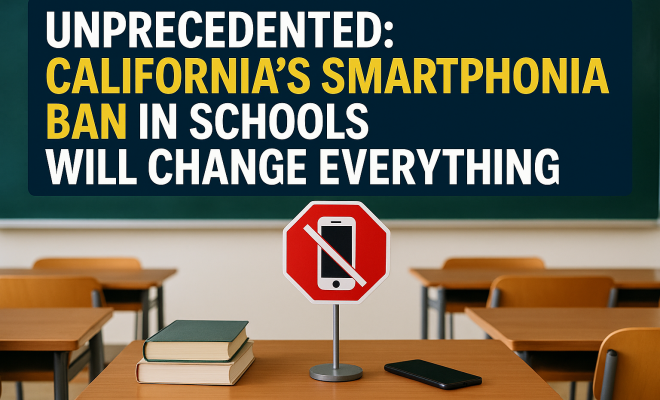
California is once again at the forefront of a significant societal shift, this time tackling the pervasive influence of smartphones in our children’s lives. Starting July 1, 2026, a groundbreaking piece of legislation, Assembly Bill 3216, will fundamentally reshape the learning environment in public schools across the state. This isn’t just another minor policy tweak; it’s a bold declaration that the era of unfettered smartphone access during school hours is drawing to a close. For anyone with a stake in education – parents, students, teachers, administrators – understanding the nuances of these California new laws 2026 is absolutely critical.
The core of AB 3216 is simple yet profound: it mandates that all public school districts, county offices of education, and charter schools must implement policies to limit or outright prohibit smartphone use during instructional time. This isn’t a suggestion; it’s a requirement. The legislation stems from a growing chorus of concerns about the detrimental effects of excessive smartphone use on student well-being, academic focus, and mental health. We’ve all seen it – the heads bowed over screens, the furtive glances during lectures, the constant push notifications that pull attention away from the task at hand. California is saying, “Enough is enough.” See also Mental health strategies handbook.
The implications of this law are vast, extending far beyond the classroom. It’s a recognition that the digital age, while offering undeniable benefits, has also introduced significant challenges, particularly for developing minds. The state’s move isn’t happening in a vacuum; it reflects a broader, national conversation about how to best integrate technology into education without letting it become a dominant, distracting force. As we look ahead to these California new laws 2026, it’s clear that the landscape of K-12 education is set for a dramatic transformation.
The Impetus Behind the Ban: A Crisis of Attention and Well-being
Why this sudden, sweeping action? The motivation behind AB 3216 isn’t some arbitrary bureaucratic whim; it’s a direct response to a growing body of evidence and anecdotal accounts highlighting the negative impact of smartphones on students. Educators have been sounding the alarm for years. Teachers report a constant battle for students’ attention, with screens often winning out over lectures, group work, and even basic social interaction. Think about it: how can a history lesson about the American Revolution compete with an endless stream of TikTok videos or Instagram feeds? It’s an unfair fight, and often, academic performance is the casualty.
Beyond academic struggles, there’s a more insidious concern: student mental health. The rise of smartphone use among adolescents has coincided with alarming spikes in anxiety, depression, and social isolation. While correlation doesn’t always equal causation, numerous studies suggest a strong link between excessive screen time, social media consumption, and deteriorating mental well-being in young people. Cyberbullying, the pressure to maintain a perfect online persona, and the fear of missing out (FOMO) are just a few of the psychological burdens that smartphones can impose. By limiting access during school hours, the hope is to create a sanctuary where students can focus on learning and genuine face-to-face interaction, reducing some of these digital pressures.
Moreover, the law addresses the fundamental purpose of school itself. School isn’t just about absorbing facts; it’s about developing critical thinking, problem-solving skills, and, crucially, social competencies. When students are constantly tethered to their devices, opportunities for spontaneous conversation, collaborative learning, and developing real-world communication skills diminish. This legislation, therefore, isn’t just about banning phones; it’s about reclaiming the educational environment as a space for focused learning and authentic human connection.
Defining “Smartphone Use During School Hours”: What Does It Actually Mean?
One of the immediate questions many people have about these California new laws 2026 is, “What exactly constitutes ‘smartphone use during school hours’?” The bill intentionally provides a framework, leaving the specifics to individual districts and schools. This flexibility is key, as a one-size-fits-all approach might not work for every educational setting, from a small rural elementary school to a large urban high school. However, the general expectation is clear: during the instructional day, from the first bell to the last, phones should be out of sight and out of mind.
This typically includes class time, passing periods, lunch breaks, and even before and after-school programs if they fall within the designated “school hours.” The goal is to create a consistent environment where the default is device-free. Will this mean phones are locked away in lockers? Collected at the start of the day? Kept in students’ bags, powered off? These are the operational details that each school and district will need to iron out. The law doesn’t prescribe a specific method, but rather the outcome: policies that effectively limit or prohibit use.
It’s important to differentiate between a complete ban and a limitation. Some schools might opt for a total prohibition, requiring phones to be turned off and stored away. Others might allow phones to be kept on silent in backpacks but forbid their use for non-educational purposes. The legislation’s language, “limit or prohibit,” gives schools a spectrum of options, but the intent is undeniably to significantly reduce the presence and use of smartphones during the academic day. This nuance will be crucial as schools develop their specific guidelines to comply with the California new laws 2026.
Implementation Challenges and District Autonomy
While the intent of AB 3216 is clear, the practical implementation will undoubtedly present challenges. California is a vast state with thousands of schools, each with its unique culture, resources, and student population. The law wisely grants districts and schools a degree of autonomy in crafting their specific policies. This means that while the mandate to limit or prohibit is universal, the how will vary significantly.
School districts will need to convene stakeholders – administrators, teachers, parents, and even students – to develop policies that are both effective and feasible. This process will involve considering logistical hurdles, such as storage solutions for devices, enforcement mechanisms, and how to address potential resistance from students and some parents. A large high school, for example, might find a “phone locker” system more practical, while a smaller elementary school might simply require phones to be left in backpacks. Training staff on consistent enforcement will also be paramount to avoid a patchwork of rules within the same school. (See: Impact of technology on youth health.)
Furthermore, communication will be key. Schools will need to clearly articulate their new policies to the entire school community well in advance of July 1, 2026. This includes explaining the rationale behind the changes, outlining the rules, and detailing the consequences for non-compliance. Parents, in particular, will need to understand how these new California new laws 2026 will impact their ability to reach their children during the school day, which brings us to the crucial topic of exemptions.
The Emergency Exemption: A Vital Safety Net
One of the most significant and understandable concerns raised by parents regarding any smartphone ban is the ability to reach their children in an emergency. AB 3216 wisely addresses this by allowing for certain exemptions, most notably for emergencies. This isn’t about cutting off communication entirely; it’s about ensuring safety while minimizing distractions.
What constitutes an “emergency” will likely be defined by individual school policies, but it generally refers to situations where immediate communication is necessary for a student’s health or safety, or for a family crisis. This could include a parent needing to inform their child about an urgent family matter, a medical emergency, or a school-wide crisis. In such situations, established school protocols will likely dictate how students can be reached. This might involve parents contacting the front office, which would then facilitate communication with the student. This builds on Recent funding updates in California.
The spirit of the emergency exemption is to strike a balance: prevent routine, non-essential phone use that disrupts learning, while maintaining a critical line of communication for genuine emergencies. It reinforces the idea that schools are responsible for student safety, and that mechanisms for urgent contact will remain in place. As schools develop their specific plans for these California new laws 2026, clear guidelines on emergency communication will be a top priority to reassure parents.
The Broader National Context: California Leading the Way (Again)
California’s move with AB 3216 isn’t an isolated incident; it’s part of a growing national and even international trend. Many countries, including France and China, have already implemented nationwide smartphone bans in schools, citing similar concerns about academic performance and student well-being. Domestically, numerous individual school districts and states have been experimenting with various forms of restrictions, but California’s statewide mandate is particularly significant due to its size and influence.
This legislation positions California as a leader in addressing the complex relationship between technology and education. Its impact will be closely watched by other states grappling with similar issues. If California successfully demonstrates a positive correlation between reduced smartphone use and improved student outcomes – academically, socially, and emotionally – it could inspire a wave of similar legislation across the country. The debate isn’t just about whether phones are good or bad; it’s about recognizing the unique developmental stage of K-12 students and creating environments optimized for their growth.
The conversation around technology in schools has been evolving for years. Initially, there was a push to integrate technology heavily, with initiatives like “one-to-one” device programs. However, as the downsides of constant connectivity became more apparent, the pendulum began to swing. AB 3216 represents a decisive swing back towards a more controlled, intentional approach to technology use in the classroom, emphasizing focus and genuine interaction over constant digital engagement. It’s a recognition that while technology has its place, it shouldn’t overshadow the fundamental human elements of learning and development.
Parent and Educator Perspectives: A Mixed Bag, But Mostly Positive
As you might imagine, a policy of this magnitude has sparked widespread discussion among all stakeholders. The sentiment, however, appears to be largely positive, particularly among educators and many parents. Teachers, who are on the front lines every day, often express frustration over the constant battle against phone distractions. They see firsthand how devices disrupt lessons, foster cheating, and hinder peer interaction. For them, these California new laws 2026 offer a much-needed tool to reclaim their classrooms and student attention.
Parents, too, are often relieved. While some express initial concerns about emergency contact, many admit to struggling with their children’s smartphone use at home and appreciate the school’s efforts to create a more focused environment. They recognize the mental health benefits of reducing screen time and the potential for improved academic performance. For many, it’s a welcome relief to have schools partner with them in setting healthy boundaries around technology.
Of course, there are dissenting voices. Some students, understandably, are not thrilled about losing access to their devices during the day. They see phones as a critical social tool, a source of entertainment, and a way to stay connected. A small minority of parents might also argue against the policy, citing convenience or personal preference. However, the overwhelming consensus, as reflected in public discourse and surveys, leans towards supporting the initiative as a crucial step for student well-being and academic success. The key will be effective communication and transparent policy development by school districts to address these varied perspectives.
The Five-Year Review: Adapting to an Ever-Changing Digital Landscape
One particularly forward-thinking aspect of AB 3216 is the requirement for schools to review and update their smartphone policies every five years. This isn’t a set-it-and-forget-it law; it’s designed to be dynamic and responsive. In the rapidly evolving world of technology, a policy that makes sense today might be obsolete or require significant adjustments in five years. Think about how much smartphone technology and social media have changed in just the last half-decade – it’s a dizzying pace.
This review mechanism acknowledges that the challenges and opportunities presented by technology are constantly shifting. It allows schools to adapt their policies based on new research, emerging trends in student technology use, and the practical experiences of implementation. For example, new types of wearable tech might emerge, or communication platforms could change dramatically. The five-year review ensures that the policies remain relevant and effective, rather than becoming outdated relics.
This commitment to periodic review also fosters a culture of continuous improvement and evaluation. Schools won’t just implement a policy and walk away; they’ll be required to assess its effectiveness, gather feedback from the school community, and make necessary adjustments. This adaptive approach is crucial for any long-term strategy involving technology and youth, ensuring that the California new laws 2026 remain beneficial and aligned with the best interests of students. (See: California's smartphone ban in schools.)
Beyond the Ban: Fostering Digital Literacy and Responsible Use
While AB 3216 focuses on limiting smartphone use during school hours, it’s critical to understand that this isn’t simply about removing devices. It’s an opportunity – and arguably a necessity – for schools to double down on digital literacy education. Banning phones doesn’t magically teach students responsible technology habits; it creates space for that learning to occur.
Schools should view this legislation as a catalyst to integrate more robust curricula around digital citizenship, media literacy, and the impact of technology on mental health. Topics like identifying misinformation, understanding privacy settings, recognizing the signs of online addiction, and fostering healthy online interactions become even more pertinent when students are spending significant time off their devices during the school day. This helps them develop the critical discernment needed to navigate the digital world responsibly when they do have access to their phones outside of school.
The goal isn’t to demonize technology, but to equip students with the skills to use it wisely and intentionally. By creating a “phone-free zone” in schools, educators can model focused engagement and provide a contrast to the often-fragmented attention demanded by digital devices. The California new laws 2026, therefore, shouldn’t be seen as an end in themselves, but as a critical step in a broader strategy to prepare students for a healthy and productive life in a technologically advanced society.
The Road Ahead for California Schools
As we approach July 1, 2026, California’s public schools have a significant task ahead of them. Developing and implementing these new smartphone policies will require thoughtful planning, transparent communication, and a commitment to student well-being. It won’t be without its bumps and challenges, but the potential rewards – more focused classrooms, improved academic outcomes, and healthier students – are substantial.
The success of AB 3216 will ultimately depend on how effectively individual districts translate the legislative mandate into practical, enforceable, and well-understood policies. It’s a chance for schools to reassert their role as environments dedicated to learning and human connection, free from the constant pull of the digital world. This is more than just a ban; it’s a re-evaluation of what a truly effective learning environment looks like in the 21st century. The California new laws 2026 are setting a powerful precedent, and the world will be watching to see how this grand experiment unfolds.
Expert Perspectives: What Researchers and Psychologists Say
The legislative push in California isn’t just driven by anecdotal evidence; it’s heavily supported by a growing body of research from developmental psychologists, neuroscientists, and educational researchers. Dr. Jean Twenge, a prominent psychologist, has extensively researched the “iGen” generation and found compelling correlations between increased smartphone use, social media engagement, and rising rates of anxiety, depression, and loneliness among adolescents. Her work suggests that the constant comparison and curated realities presented on social media can be particularly damaging to developing self-esteem.
From a cognitive science perspective, experts like Dr. Gloria Mark, who studies attention and interruption, point out that our brains aren’t designed for constant digital stimulation. Frequent notifications and the mere presence of a smartphone can create a “task-switching” cost, meaning it takes time and mental energy to refocus after checking a device. For students, this translates directly into reduced learning efficiency and poorer comprehension of complex material. Essentially, even if a student isn’t actively using their phone, its presence acts as a constant, low-level distraction that diverts precious cognitive resources away from learning. Mindfulness approaches in education offers useful background here.
Educational technology specialists, while often advocating for thoughtful tech integration, also acknowledge the unique challenges posed by personal smartphones. Dr. Richard Freed, a child psychologist and author, argues for greater parental and institutional control over screen time, emphasizing that schools have a vital role in protecting children from the downsides of excessive digital exposure. These expert voices collectively reinforce the idea that AB 3216 isn’t an overreaction, but a necessary step informed by scientific understanding of child development and digital impact.
Potential Benefits Beyond Academics
While improved academic focus and mental health are primary drivers for the California new laws 2026, the ripple effects could extend to other crucial areas of student development. One significant potential benefit is the enhancement of in-person social skills. With phones out of the picture during school hours, students might naturally engage more with their peers, learning to navigate face-to-face conversations, resolve conflicts directly, and develop empathy through shared experiences in a way that digital interactions often can’t replicate. This could lead to stronger school communities and a reduction in social isolation.
Another benefit could be a boost in physical activity and engagement in non-digital hobbies. During lunch breaks or recess, instead of scrolling, students might be more inclined to play sports, read a physical book, engage in creative activities, or simply walk and talk with friends. This shift away from passive screen time could contribute to better physical health and a more well-rounded student experience. Less smartphone use could also lead to more restorative sleep, as the blue light emitted from screens is known to disrupt natural sleep cycles, impacting everything from mood to academic performance. (See: Smartphones and their effects on education.)
Finally, there’s the potential for a more equitable learning environment. While some students have the latest devices and unlimited data, others might not. A blanket policy minimizes this potential disparity, ensuring that all students are operating on a level playing field when it comes to classroom engagement and access to educational resources, rather than being distracted or feeling left out due to device differences.
Frequently Asked Questions About California New Laws 2026
Understanding the specifics of AB 3216 can raise many questions. Here are some common ones:
Q: Does this law apply to all schools in California?
A: Yes, AB 3216 applies to all public school districts, county offices of education, and charter schools throughout California. Private schools are not mandated by this state law but might implement similar policies independently.
Q: What if my child needs their phone for a medical reason?
A: The law allows for exemptions, and medical necessities are a prime example. Schools will develop specific protocols, but generally, students with documented medical needs (e.g., monitoring blood sugar, managing an allergy attack with an app) will be accommodated. It’s crucial to communicate with your school administration in advance.
Q: Can teachers use smartphones as part of their lessons?
A: The law specifically targets student use for non-instructional purposes. Teachers can still utilize technology, including school-issued devices or even personal phones in specific, controlled instructional contexts, if it directly supports the curriculum and learning objectives. The focus is on limiting student access to their personal devices for distraction.
Q: What are the penalties for students who don’t follow the new rules?
A: The law doesn’t prescribe specific penalties. Each school district will develop its own disciplinary matrix, which could range from verbal warnings and temporary confiscation to parent meetings or other consequences for repeated infractions. Consistency in enforcement will be key.
Q: Will students still be able to use school-provided laptops or tablets?
A: Yes, the law focuses on personal smartphones and their distracting use. School-provided devices used for educational purposes are generally not affected, though schools will still have policies around their appropriate use during instructional time.
Q: How can parents prepare their children for these changes?
A: Open communication is vital. Talk to your children about the reasons behind the law (focus, mental health, social skills). Practice designated “no-phone” times at home. Discuss emergency communication plans so they understand how to reach you and how you’ll reach them if needed. Support the school’s efforts by reinforcing the rules at home. For more on this, see Building bridges in education.
Trending Now
Frequently Asked Questions
What is California's smartphone ban in schools?
California's smartphone ban, established by Assembly Bill 3216, mandates public schools to limit or prohibit smartphone use during instructional time starting July 1, 2026. This legislation aims to address concerns about the negative impact of excessive smartphone usage on student focus, mental health, and overall well-being.
Why did California implement a smartphone ban in schools?
The smartphone ban was implemented due to growing concerns about the detrimental effects of smartphones on students' attention spans, academic performance, and mental health. The law reflects a broader societal shift towards managing technology's role in education effectively.
How will the smartphone ban affect students?
The smartphone ban will alter the learning environment by reducing distractions during instructional time. Students will be encouraged to engage more with their lessons and peers, potentially improving their focus, academic performance, and mental well-being.
What are the exceptions to California's smartphone ban in schools?
While the legislation primarily focuses on limiting smartphone use during instructional time, it may allow for specific exceptions, such as emergency situations or educational purposes as determined by school policies. However, the core requirement is a significant reduction in smartphone access.
When does California's smartphone ban take effect?
California's smartphone ban in schools will take effect on July 1, 2026. This timeline allows schools to prepare and implement the necessary policies to comply with Assembly Bill 3216.
Agree or disagree? Drop a comment and tell us what you think.