Unpredictable Home Life: A Hidden Mental Health Risk for Kids (2026)
“`html
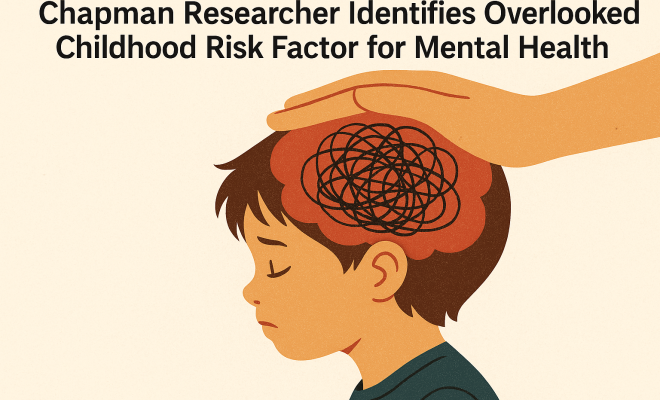
For decades, when we thought about childhood adversity and its impact on mental health, our minds naturally gravitated towards dramatic, overt traumas: abuse, neglect, severe accidents, or the profound loss of a loved one. These are undeniably devastating experiences that leave deep scars. But what if there was another, far more insidious and pervasive factor at play, one that has largely flown under the radar, silently contributing to rising childhood mental health risks?
New research, co-led by the insightful Dr. Laura Glynn, a psychologist at Chapman University, alongside Dr. Charles Golden and Dr. Michael Weiss from Rady Children’s Hospital Orange County, suggests precisely that. Their groundbreaking study, published on July 21, 2026, in the prestigious journal Nature Mental Health, throws a powerful spotlight on something most parents might consider a minor inconvenience: everyday unpredictability in a child’s home life. It turns out that a chaotic, inconsistent environment, even without traditional trauma, can significantly elevate a child’s risk for a host of mental health challenges, from anxiety and depression to sleep disorders and behavioral issues. This isn’t just a fascinating academic finding; it’s a game-changer for how we understand and protect our children’s well-being.
The Silent Scourge: Unpredictability as a Major Childhood Mental Health Risk Factor
Think for a moment about your own life. When things are stable, predictable, and you know what to expect, doesn’t it feel easier to manage stress? Now imagine being a small child, utterly dependent on the adults around you, and having that sense of stability constantly undermined. This is the core of what Dr. Glynn and her colleagues uncovered. Their research didn’t focus on the ‘big T’ traumas, but rather on the ‘small u’ of unpredictability: inconsistent bedtimes, ever-shifting meal schedules, changing caregivers, or a general lack of routine that leaves a child constantly wondering what’s next.
This finding is, in many ways, counterintuitive to the prevailing wisdom. We’ve been so conditioned to look for the dramatic indicators of trauma that we’ve missed the cumulative effect of daily disorganization. It’s not about a single dramatic event, but rather the constant, low-level stress of not knowing. This chronic state of uncertainty keeps a child’s developing brain in a heightened state of alert, making it harder for them to regulate emotions, focus, and develop a secure sense of self. The study’s implications are profound because they suggest that many children who might not flag on traditional trauma screenings are still very much at risk, simply because their home lives lack a foundational sense of order.
Peering into the Data: Nearly 30,000 Children Tell a Story
What makes this research so compelling isn’t just the idea itself, but the sheer scale and rigor of the data behind it. Dr. Glynn and her team didn’t just interview a handful of families; they meticulously analyzed information from nearly 30,000 children. This isn’t a small, niche study; it’s a massive undertaking that lends immense weight to their conclusions. When you have such a large sample size, it’s far easier to identify patterns and correlations that might be missed in smaller studies, providing a robust statistical foundation for their claims.
The researchers looked for correlations between measures of home life unpredictability and various mental health outcomes. What they found was stark: children growing up in environments characterized by inconsistent routines and frequent changes in caregivers showed significantly higher rates of depression, anxiety, sleep disorders, and a range of behavioral problems. This wasn’t a subtle trend; it was a clear and undeniable link. Imagine the data points forming a clear path, leading straight from a chaotic home environment to increased vulnerability for mental health struggles. This kind of empirical evidence demands our attention and forces us to reconsider our assumptions about what truly nurtures a child’s developing mind.
Beyond Trauma: Redefining Childhood Adversity
For too long, the conversation around childhood adversity has been dominated by the Adverse Childhood Experiences (ACEs) framework. While incredibly valuable and instrumental in highlighting the devastating impact of severe trauma, the ACEs questionnaire primarily focuses on explicit forms of abuse, neglect, and household dysfunction like parental incarceration or divorce. What Dr. Glynn’s research powerfully demonstrates is that adversity isn’t a monolithic concept. It exists on a spectrum, and sometimes, the most subtle, chronic stressors can be just as damaging as acute, dramatic ones.
This isn’t to diminish the importance of addressing traditional traumas; rather, it’s about expanding our understanding. We need to broaden our lens to include the more nuanced, everyday stressors that chip away at a child’s sense of security. A child who experiences frequent moves, constantly changing school environments, or an unpredictable parent who oscillates between availability and emotional absence, might not score high on an ACEs questionnaire, but they are still living with a significant burden of stress. This new perspective challenges us to think beyond the obvious and consider the pervasive, often invisible, factors that shape a child’s inner world. See also support for young minds.
The Biological Underpinnings: How Unpredictability Rewires the Brain
It’s not just about a child *feeling* stressed; there are tangible biological mechanisms at play. The human brain, especially during its rapid development in childhood, thrives on predictability. It’s how neural pathways are formed, how stress responses are learned, and how a sense of safety is established. When a child lives in an unpredictable environment, their stress response system – primarily the hypothalamic-pituitary-adrenal (HPA) axis – is constantly activated. Think of it like a smoke detector that’s always blaring, even when there’s no fire.
Chronic activation of the HPA axis leads to elevated levels of cortisol, the body’s primary stress hormone. While cortisol is essential for managing acute stress, sustained high levels can be detrimental to the developing brain. It can impair the prefrontal cortex, which is crucial for executive functions like planning, decision-making, and emotional regulation. It can also affect the hippocampus, vital for memory and learning, and the amygdala, the brain’s fear center, making children more prone to anxiety and hypervigilance. Essentially, unpredictability doesn’t just make life harder; it can physically rewire a child’s brain, making them more susceptible to a lifetime of mental health challenges. (See: Childhood adversity and mental health.)
Actionable Insights: Simple Routines as Powerful Protectors
One of the most encouraging aspects of this research is its actionable nature. Unlike many complex societal problems, the solution to unpredictability in a child’s life often lies in surprisingly simple adjustments. The study highlights the profound importance of basic routines. Think about it: a consistent bedtime, regular meal times, a predictable sequence of events (like bath, story, bed), or even knowing which adult will pick them up from school each day – these aren’t trivial details. For a child, they are anchors in a sometimes-stormy world.
These routines create a sense of safety and control. They allow a child’s brain to relax, knowing what’s coming next, freeing up cognitive resources for learning, playing, and healthy emotional development. It’s not about being rigid or inflexible; life happens, and sometimes routines need to bend. But the general framework of predictability provides a crucial scaffolding. For parents, this offers a clear, empowering message: you don’t need to be perfect, but striving for consistency in key areas of your child’s daily life can be one of the most powerful protective factors you can offer against future childhood mental health risks.
A Game-Changer for Pediatric Care: Early Screening for Unpredictability
Perhaps one of the most significant practical implications of this research lies in its potential to revolutionize pediatric care. Currently, pediatricians often screen for traditional traumas or developmental delays. However, as Dr. Glynn’s work shows, many children at risk for mental health issues might slip through these nets if their primary challenge is unpredictability rather than overt trauma.
The research suggests that a brief, simple screening for unpredictability during routine pediatric visits could be an invaluable tool. Imagine a short questionnaire asking about consistent bedtimes, meal schedules, or caregiver stability. This wouldn’t be about judgment; it would be about identification. By flagging children living in highly unpredictable environments, pediatricians could then offer early interventions, connect families with resources, or simply provide guidance on establishing more stable routines. This proactive approach could identify at-risk children far earlier than current methods, potentially preventing the escalation of mild anxieties or behavioral issues into more serious mental health disorders down the line. It’s about shifting from reactive treatment to preventative care, which is a truly exciting prospect.
Why This Research is Going Viral: Challenging Long-Held Beliefs
It’s no surprise that this study, published in *Nature Mental Health*, is generating significant buzz and is poised to become a viral topic. Why? Because it challenges deeply ingrained assumptions about what constitutes “adversity” and what truly impacts a child’s mental well-being. For so long, we’ve focused on the dramatic, often visible, forms of hardship. This research, however, pulls back the curtain on the hidden stresses that many children face, stresses that might not look like trauma but are just as detrimental.
The idea that something as seemingly mundane as inconsistent routines could be a major contributor to childhood mental health risks is both surprising and incredibly empowering. It’s surprising because it forces us to re-evaluate our priorities, and empowering because it suggests that positive change can often come from simple, everyday actions. This isn’t about blaming parents; it’s about equipping them with crucial knowledge and giving them tangible strategies to foster resilience in their children. The human element, the idea that small, consistent acts of care can have such a profound impact, resonates deeply and makes this research eminently shareable and discussable.
Beyond the Home: Societal Implications of Unpredictability
While the study focuses on home life, the concept of unpredictability extends far beyond the four walls of a house. Consider the broader societal context. Economic instability, frequent job changes, housing insecurity, or even the constant barrage of alarming news can create a pervasive sense of unpredictability that filters down to children. When parents are under immense stress due to external factors, it naturally impacts their ability to maintain consistent routines at home. Related reading: impact of violence on children.
This means addressing childhood mental health risks isn’t just about individual family choices; it’s also about creating more stable, supportive societal structures. Policies that promote economic stability, affordable housing, and accessible childcare can indirectly contribute to more predictable home environments for children. It’s a reminder that child well-being is a collective responsibility, and that the stressors of the adult world inevitably ripple down to impact the most vulnerable among us. Understanding this interconnectedness allows us to advocate for systemic changes that can foster greater stability for all families.
Nurturing Emotional Regulation Skills in Predictable Environments
Beyond simply reducing stress, a predictable environment plays a crucial role in helping children develop strong emotional regulation skills. When a child knows what to expect, they learn to anticipate events and build coping strategies. For instance, a consistent bedtime routine isn’t just about getting enough sleep; it’s a sequence that signals to the child’s body and mind that it’s time to wind down. This predictability helps them transition from active play to quiet reflection, practicing self-soothing in a low-stress context. Without these consistent cues, a child might struggle to calm themselves, becoming overwhelmed by emotions when faced with even minor disruptions.
Think of it as a scaffold for emotional development. Each predictable routine offers a small, repeatable lesson in self-management. They learn patience during meal prep because they know food is coming. They learn to manage disappointment when a play session ends because they know story time is next. These micro-experiences, repeated daily, build a robust internal framework for handling feelings. In unpredictable settings, children are often in a reactive state, constantly trying to interpret shifting circumstances, which leaves less mental bandwidth for practicing healthy emotional responses. This is why fostering predictability directly impacts a child’s ability to navigate their inner world and external challenges.
The Role of Secure Attachment in Moderating Unpredictability
While the study highlights the direct impact of environmental unpredictability, it’s also worth considering how a secure attachment to a primary caregiver might moderate some of these effects. A securely attached child, even one experiencing some external unpredictability, has an internal working model of the world as a relatively safe place. They trust that their caregiver will be there for them, offering comfort and consistency when needed. This secure base can act as a buffer against some of the negative neurological impacts of an inconsistent environment. (See: CDC on children's mental health.) For more on this, see helpful apps for anxiety.
For example, if a family has to move frequently (an unpredictable external factor), but the parent consistently provides emotional support, maintains routines within the new home, and offers reassurance, the child’s mental health risks might be mitigated. The parent becomes the ‘predictable anchor’ in a sea of change. Conversely, even in an outwardly stable home, if the parent’s emotional responses are unpredictable – sometimes warm and available, other times distant or irritable – it can create an internal unpredictability that is deeply unsettling for the child. This underscores that while external routines are vital, the emotional predictability of caregiver responses is equally, if not more, crucial for fostering resilience and mitigating childhood mental health risks.
Technological Unpredictability: A Modern Challenge
In our increasingly digital world, a new layer of unpredictability has emerged: technological inconsistency. This isn’t just about screen time limits, but the unpredictable nature of digital interactions themselves. For children, the constant notifications, the ever-changing content on social media, or the unpredictable availability of a parent who is frequently distracted by their phone can create a subtle, yet pervasive, sense of chaos.
Imagine a child trying to engage with a parent who is constantly checking emails or social feeds. The parent’s attention is fragmented and unpredictable. This can lead to the child feeling unseen or less important, mimicking some of the effects of inconsistent caregiving. Furthermore, children themselves are often exposed to unpredictable content online, from sudden loud noises in videos to rapidly shifting visual stimuli, which can overstimulate their developing brains. Establishing ‘tech routines’ – designated screen-free times, predictable parent-child engagement without digital distractions, and carefully curated online experiences – becomes another vital aspect of creating a predictable and mentally healthy environment in the 21st century. It’s about bringing intentionality to our digital lives, not just our physical ones.
Understanding the Spectrum of Unpredictability: From Mild to Severe
It’s important to recognize that unpredictability, like trauma, exists on a spectrum. At one end, you might have minor, occasional disruptions to routines – a late dinner here, a missed bedtime there. These are normal parts of family life and children can typically adapt without significant long-term impact, especially if there’s an overarching sense of stability. It’s about the general pattern, not isolated incidents.
However, as the frequency and severity of unpredictability increase, so do the associated risks. Chronic, pervasive unpredictability might look like: frequent changes in residence, multiple schools within a short period, inconsistent access to food, rotating caregivers who have different rules, or parents with unstable employment schedules leading to erratic hours. In these more severe cases, the child’s entire world can feel like it’s in constant flux, creating an overwhelming sense of insecurity and vulnerability. The research helps us understand that while some level of flexibility is healthy, persistent and widespread inconsistency is a significant concern for childhood mental health. It’s about recognizing when the occasional disruption crosses into a pattern of chronic instability.
Moving Forward: Nurturing Resilience Through Stability
The research by Dr. Glynn, Dr. Golden, and Dr. Weiss offers a vital new lens through which to view childhood development and mental health. It doesn’t diminish the importance of addressing trauma, but rather adds a crucial layer of understanding: that the consistent, predictable rhythms of daily life are not just convenient, but foundational to a child’s emotional and psychological well-being. By recognizing unpredictability as a significant childhood mental health risk factor, we open doors to earlier identification, simpler interventions, and a more holistic approach to nurturing resilient, mentally healthy children.
As parents, educators, and healthcare providers, this study encourages us to prioritize consistency, even in small ways. It reminds us that while the world outside can be chaotic, creating a predictable, secure haven at home can be one of the most powerful gifts we ever give a child. It’s a call to action, not for perfection, but for mindful attention to the everyday architecture of our children’s lives.
Frequently Asked Questions About Childhood Mental Health Risks and Unpredictability
What exactly is meant by “unpredictability” in a child’s home life?
Unpredictability refers to a lack of consistent routines and stability in a child’s daily environment. This isn’t just about big, dramatic events. It includes things like inconsistent bedtimes, irregular meal schedules, frequent changes in who cares for them (babysitters, relatives), erratic parental availability, or a home environment where the rules or expectations change frequently. It’s the absence of a reliable, consistent pattern that a child can anticipate.
How does unpredictability differ from traditional “trauma” or Adverse Childhood Experiences (ACEs)?
Traditional trauma and ACEs (like abuse, neglect, severe loss) are typically acute, dramatic events or chronic severe stressors. While incredibly damaging, unpredictability, as highlighted by this research, can be a more subtle, pervasive, and often overlooked stressor. A child in an unpredictable environment might not experience overt abuse, but the constant low-level stress of not knowing what’s next can be just as detrimental to their developing brain and mental health over time. It expands our understanding of what constitutes “adversity.”
What are the specific mental health issues linked to unpredictability?
The study found links between unpredictable home environments and a range of mental health challenges. These include higher rates of anxiety, depression, sleep disorders (difficulty falling asleep, staying asleep), and various behavioral problems (like aggression, difficulty focusing, or emotional outbursts). Essentially, it makes children more vulnerable to conditions that affect their mood, emotional regulation, and cognitive function.
Why is predictability so important for a child’s brain development?
A child’s brain thrives on predictability because it helps establish neural pathways, develop stress response systems, and build a sense of safety. When a child lives in a predictable environment, their brain can relax and focus on learning and development. In an unpredictable environment, their stress response system (HPA axis) is constantly activated, leading to elevated cortisol levels. High, sustained cortisol can impair areas of the brain crucial for emotional regulation, memory, and executive functions, making them more prone to mental health issues.
What can parents do to create a more predictable environment, even if their own lives are chaotic?
Even small, consistent routines can make a big difference. Focus on key areas:
- Consistent Bedtime Routine: A predictable sequence like bath, story, bed.
- Regular Meal Times: Even if the specific food varies, try to eat at similar times each day.
- Predictable Caregivers: Minimize changes where possible, or ensure new caregivers follow established routines.
- Daily Anchor Points: Simple things like always having breakfast together, or a specific ritual for saying goodbye or hello.
- Emotional Predictability: Strive for consistent emotional responses, being present and available when interacting with your child.
It’s not about perfection, but about creating reliable patterns. Even in times of stress, choosing one or two areas to keep consistent can be hugely beneficial. There’s a fuller look at top stress relief apps.
Is it possible to be too rigid with routines?
Yes, excessive rigidity can also be unhelpful. Life happens, and flexibility is important for teaching children adaptability. The goal isn’t to create an unyielding schedule, but a general framework of predictable rhythms. It’s about finding a balance where there’s enough structure for security, but also enough flexibility to navigate unexpected events and teach problem-solving.
How can pediatricians and healthcare providers use this research?
This research suggests that pediatricians could incorporate brief, simple screenings for unpredictability during routine check-ups. Asking about consistent routines, caregiver stability, or housing situations could help identify children at higher risk. Once identified, they could offer early interventions, connect families to resources, or provide guidance on establishing more stable home environments, shifting towards more preventative mental health care.
Does this mean parents who work irregular hours or have demanding jobs are inherently harming their children?
Not at all. This research isn’t about blaming parents. Many external factors, including economic necessity, can lead to unpredictable schedules. The key is to be mindful of the impact and to actively seek ways to counterbalance external unpredictability with internal consistency. A parent with irregular hours can still create a consistent bedtime routine when they are home, or ensure a reliable caregiver follows specific routines. It’s about intentionality and finding pockets of predictability amidst broader challenges.
What are the societal implications of this research?
Societal factors like economic instability, lack of affordable housing, and insufficient access to childcare can directly contribute to unpredictable home lives. This research underscores that addressing childhood mental health risks requires not just individual family efforts but also systemic changes. Policies that promote stability for families – such as living wages, stable housing, and accessible, high-quality childcare – can indirectly foster more predictable environments for children and reduce overall childhood mental health risks.
“`
Trending Now
Frequently Asked Questions
What is the impact of childhood unpredictability on mental health?
Childhood unpredictability, such as inconsistent routines and shifting caregivers, can significantly elevate the risk of mental health issues like anxiety, depression, and behavioral problems. This research highlights that even without overt trauma, a chaotic home environment can undermine a child's sense of stability, leading to long-term mental health challenges.
How does childhood adversity affect mental health?
Traditionally, childhood adversity has been linked to severe traumas like abuse or neglect. However, recent research shows that everyday unpredictability in a child's home life can also have detrimental effects, contributing to rising rates of mental health issues among children.
What are the signs of mental health challenges in children?
Signs of mental health challenges in children include persistent sadness, anxiety, changes in behavior, difficulty sleeping, and trouble concentrating. Parents should be aware of these symptoms, especially in the context of an unpredictable home environment.
Who conducted the research on childhood unpredictability and mental health?
The research was co-led by Dr. Laura Glynn from Chapman University, alongside Dr. Charles Golden and Dr. Michael Weiss from Rady Children's Hospital Orange County. Their study emphasizes the importance of stable environments for children's mental well-being.
What can parents do to create a stable environment for children?
Parents can foster a stable environment by establishing consistent routines for meals, sleep, and activities. Clear communication, setting predictable schedules, and minimizing chaos in daily life can help create a sense of security and support better mental health for children.
Agree or disagree? Drop a comment and tell us what you think.