San Francisco’s Housing Nightmare: 10 Ways Essential Workers Can Survive
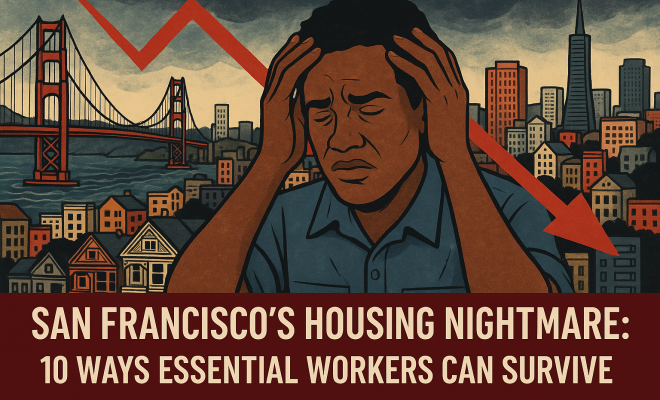
Living and working in San Francisco has always been a dream for many, a city synonymous with innovation, culture, and opportunity. But for essential workers – the very backbone of our communities, including our dedicated PreK-12 teachers, diligent service employees, and passionate nonprofit staff – that dream is increasingly turning into a financial nightmare. The influx of wealth from the artificial intelligence sector has created what many are calling a ‘mansion shortage,’ not just for mansions themselves, but for affordable housing across the board. This isn’t just about luxury homes; it’s about the entire housing market being driven to astronomical heights, leaving those who make the city run financially trapped.
It’s a stark reality when you consider the vital roles these individuals play. Our teachers, for instance, are shaping the minds of the next generation, yet many can’t afford to live in the very districts where they teach. This economic disparity isn’t just a quiet struggle; it’s fueling widespread concern, sparking viral social media discussions, and highlighting a deeply troubling economic inequality. The emotional toll of being priced out of your community, especially when you’re contributing so much to it, is immense. So, if you’re an essential worker in San Francisco facing this daunting challenge, what are your options? How can you not just survive, but potentially thrive, amidst this crisis? Let’s explore some crucial financial strategies for essential workers San Francisco offers.
1. Mastering the Budget: Your First Line of Defense
When you’re dealing with the kind of housing costs San Francisco throws at you, a casual approach to your finances just won’t cut it. Your budget isn’t just a suggestion; it’s your lifeline. Think of it as your most important tool in navigating this challenging environment. This isn’t about deprivation, but about intentionality. Every dollar needs a job, and you need to know what that job is. Start by tracking every single penny you spend for a month. Seriously, every coffee, every bus fare, every subscription service. You might be surprised where your money is actually going.
Once you have a clear picture, it’s time to categorize. What’s essential? What’s discretionary? Can you cut back on non-essentials? Maybe that daily latte can become a weekly treat, or you can explore cheaper transportation options. Look for areas where you can trim without sacrificing your overall well-being. The goal here is to free up as much cash as possible to allocate towards housing or building an emergency fund, which is absolutely critical when living in such a high-cost area. This meticulous approach to your budget is one of the most fundamental financial strategies for essential workers San Francisco residents can employ.
2. Exploring Housing Alternatives: Beyond the Traditional Lease
The traditional one-bedroom apartment or single-family home might be out of reach, but that doesn’t mean you’re out of options. San Francisco’s housing market demands creativity. Have you considered co-living arrangements? Shared housing, where you rent a room in a larger unit with roommates, can significantly reduce your monthly housing burden. Websites and apps specifically cater to finding compatible roommates in high-cost cities. It’s not just about splitting rent; it’s also about sharing utilities and potentially even groceries.
Beyond co-living, explore options slightly outside the city limits. Commuting might add time to your day, but the savings could be substantial. Look into communities in the East Bay or even further south, where housing costs, while still high, might be more manageable. Organizations are also emerging that aim to connect essential workers with more affordable housing solutions, sometimes even offering subsidized units. Staying informed about these initiatives can open doors you didn’t even know existed. Flexibility and an open mind are key when looking at housing alternatives as part of your financial strategies for essential workers San Francisco.
3. Maximizing Public Transportation and Alternative Commutes: Ditching the Car
Owning a car in San Francisco is a luxury that many essential workers simply can’t afford, not just because of the purchase price, but due to the exorbitant costs of parking, insurance, gas, and maintenance. The city has a robust public transportation system, including BART, Muni, and various bus lines. Familiarize yourself with these options and plan your commutes strategically. A public transport pass can be a fraction of the cost of car ownership.
Beyond public transit, consider cycling, walking, or even electric scooters for shorter distances. Not only are these options often cheaper, but they can also contribute to your health and well-being. If you absolutely need a car occasionally, look into car-sharing services like Zipcar or peer-to-peer rental platforms. Minimizing transportation costs is a huge component of effective financial strategies for essential workers San Francisco residents must embrace to free up funds for housing and other necessities.
4. Leveraging Employer-Assisted Programs: Don’t Leave Money on the Table
Given the critical role essential workers play and the acute housing crisis, some employers are stepping up to offer assistance. It’s absolutely crucial to inquire about any employer-assisted housing programs, down payment assistance, or rental subsidies that might be available through your workplace. Schools, hospitals, and non-profits, recognizing the challenge of retaining staff in such an expensive city, are increasingly exploring these options.
These programs can take various forms, from direct financial aid to preferential access to affordable housing developments. Your HR department is the first stop. Don’t assume nothing is available; actively ask and advocate for yourself. Even if your employer doesn’t currently offer such programs, bringing the issue to their attention could spark new initiatives. Every bit of assistance can make a significant difference in your overall financial picture, making this a vital piece of the financial strategies for essential workers San Francisco has available. (See: Impact of housing on health.)
5. Exploring Side Hustles and Supplemental Income: Boosting Your Earnings
In a city as expensive as San Francisco, sometimes cutting expenses isn’t enough; you also need to increase your income. A side hustle isn’t just about making extra cash; it’s about building a financial buffer and accelerating your savings goals. Think about skills you have that could be monetized outside your primary job. Are you good at writing? Offer freelance services. Do you have a knack for pet sitting? Leverage that. Can you tutor students online after school hours? For more context, see Oregon's Reckless School Budget Cuts.
The gig economy offers numerous opportunities, from ride-sharing to food delivery, but also consider more specialized services based on your professional skills. For teachers, online tutoring platforms or developing educational content can be lucrative. For service workers, catering or event staffing might offer flexible hours and good pay. Just be mindful of burnout; balance is key. A well-chosen side hustle can significantly bolster your financial resilience and is a practical component of financial strategies for essential workers San Francisco demands.
6. Aggressive Debt Reduction: Freeing Up Cash Flow
High-interest debt is a killer, especially when you’re battling high living costs. Every dollar you spend on interest is a dollar not going towards your financial stability. Prioritizing debt reduction should be a cornerstone of your financial plan. Start with the highest-interest debts first – often credit cards or personal loans. The ‘debt snowball’ or ‘debt avalanche’ methods can be incredibly effective here.
The goal is to free up as much of your monthly cash flow as possible. Imagine what you could do with an extra few hundred dollars if you weren’t making hefty debt payments. Consolidating high-interest debt into a lower-interest personal loan or a balance transfer credit card could also be an option, but be cautious and ensure you understand the terms. Reducing debt isn’t just about saving money; it’s about reducing stress and gaining more control over your financial future – a non-negotiable among financial strategies for essential workers San Francisco offers.
7. Building an Emergency Fund: Your Financial Safety Net
Living in San Francisco, with its high costs and dynamic economy, means unexpected expenses can hit hard. An emergency fund is non-negotiable. Aim for at least three to six months’ worth of essential living expenses, ideally more if you can manage it. This fund should be kept in an easily accessible, separate savings account, not tied to your checking account, and only used for true emergencies: job loss, unexpected medical bills, or critical home repairs.
Building this fund takes discipline, but it provides invaluable peace of mind. It prevents you from falling into debt when unforeseen circumstances arise, which is particularly important when housing costs are so high. Without an emergency fund, a minor setback can quickly snowball into a major financial crisis. This foundational step is paramount among the financial strategies for essential workers San Francisco residents need to secure their future.
8. Seeking Financial Literacy and Counseling Resources: Expert Guidance
You don’t have to navigate these complex financial waters alone. There are numerous non-profit organizations and community resources in San Francisco that offer free or low-cost financial literacy workshops and one-on-one counseling. These services can help you create a personalized budget, develop a debt reduction plan, explore housing assistance programs, and even understand local government initiatives aimed at affordability.
Sometimes, an outside perspective from a financial expert can illuminate options you hadn’t considered or help you prioritize your goals more effectively. Don’t be afraid to ask for help. Organizations like the Financial Empowerment Center or local credit unions often provide these valuable services. Utilizing these resources is a smart move for anyone looking to refine their financial strategies for essential workers San Francisco.
9. Advocating for Policy Change: A Collective Voice
While personal financial strategies are crucial, the larger systemic issues require collective action. As an essential worker, your voice holds weight. Engage with local community groups, attend city council meetings, and support organizations that are advocating for more affordable housing policies, zoning reforms, and protections for tenants and essential workers. This isn’t just about your personal finances; it’s about creating a more equitable city for everyone.
Policy changes could include increased funding for affordable housing projects, rent control measures, or even employer incentives to provide housing stipends. Your participation in these conversations can help shape the future of San Francisco and ensure that the city remains viable for the people who truly make it run. Remember, individual actions combined with collective advocacy create the most powerful change. This often overlooked aspect is a crucial long-term financial strategy for essential workers San Francisco. (See: Recent news on housing issues.)
10. Long-Term Financial Planning and Investment: Building Future Security
Even amidst the immediate challenges, don’t lose sight of your long-term financial goals. Once you’ve established a solid budget, built an emergency fund, and begun to tackle debt, start thinking about your future. Are you contributing to a retirement account, like a 403(b) or 401(k), especially if your employer offers matching contributions? That’s essentially free money you’re leaving on the table if you’re not participating.
Beyond retirement, consider setting up a separate savings account for a future down payment on a home, even if it feels distant. Small, consistent contributions can add up over time. Explore low-cost index funds or ETFs if you’re comfortable with investing, even with small amounts. The power of compound interest is real, and starting early, even with modest sums, can make a significant difference over decades. Thinking about your future is an often-overlooked but critical part of comprehensive financial strategies for essential workers San Francisco. For more context, see Oregon School Budget Cuts: The Troubling Reality Threatening Education.
11. Navigating San Francisco’s Unique Rental Market: Understanding Your Rights and Opportunities
San Francisco’s rental market isn’t just expensive; it’s also incredibly complex, with specific tenant protections and unique rental nuances. Knowing your rights as a tenant is paramount. The city has strong rent control ordinances, but these typically only apply to buildings built before June 1979. If you’re in a newer building, you won’t have the same protections, which means landlords can raise your rent significantly more often. Understanding if your unit is rent-controlled is the first step.
Beyond rent control, be aware of “just cause” eviction protections. Landlords can’t just evict you without a valid reason, even if your lease has ended. Familiarize yourself with these reasons, which are outlined by the San Francisco Rent Board. There are also organizations like the Eviction Defense Collaborative that provide legal assistance to tenants. Being informed about these protections can prevent unnecessary stress and potential financial hardship. Additionally, explore programs like the Rental Assistance Program (RAP), which can offer short-term financial aid to eligible residents facing eviction or struggling with rent due to unforeseen circumstances. Staying educated on these local specifics is a key part of financial strategies for essential workers San Francisco.
12. Maximizing Tax Credits and Deductions: Keeping More of Your Earnings
Tax season can feel like another financial burden, but for essential workers in San Francisco, it can also be an opportunity to reclaim some much-needed funds. Make sure you’re taking advantage of every possible tax credit and deduction available to you. This includes federal credits like the Earned Income Tax Credit (EITC), which is particularly beneficial for low-to-moderate income individuals and families, and the Child Tax Credit if you have dependents.
On the state level, California offers its own EITC, which can further boost your refund. Look into deductions for work-related expenses if you’re self-employed with a side hustle, or for educational expenses if you’re pursuing further training or degrees. Don’t forget deductions for student loan interest or contributions to retirement accounts. Free tax preparation services, such as those offered by the IRS Volunteer Income Tax Assistance (VITA) program, are available in San Francisco and can help ensure you don’t miss out on any credits. Proactively managing your taxes is a smart financial strategy for essential workers San Francisco residents often overlook.
13. Community-Based Support Networks: The Power of Local Resources
You don’t have to face San Francisco’s financial challenges in isolation. The city is rich with community-based organizations that offer a wide array of support, often tailored to specific essential worker groups. For teachers, organizations like the San Francisco Alliance of Black School Educators or specific union chapters might offer resources, grants, or even housing leads. Healthcare workers might find similar support through their professional associations or hospital-affiliated programs.
Beyond profession-specific groups, look for general community centers and non-profits that focus on economic justice, food security, or tenant rights. These organizations often have a deep understanding of local challenges and can connect you with vital services, from food banks to legal aid, or even simply provide a network of support and solidarity. Engaging with these networks not only provides practical assistance but also fosters a sense of belonging and shared purpose, which is invaluable when dealing with economic stress. Tapping into these resources is a powerful and often underestimated element of financial strategies for essential workers San Francisco.
Frequently Asked Questions About Financial Strategies for Essential Workers in San Francisco
Q1: What’s the biggest financial challenge for essential workers in San Francisco?
Hands down, it’s the cost of housing. San Francisco consistently ranks among the most expensive cities in the world for rent and homeownership. Essential workers, whose salaries often don’t keep pace with these costs, find themselves struggling to afford even basic living arrangements, leading to long commutes or housing insecurity. (See: San Francisco housing crisis coverage.)
Q2: Are there specific San Francisco government programs that help essential workers with housing?
Yes, the city has several initiatives. The Mayor’s Office of Housing and Community Development (MOHCD) oversees various programs, including rental subsidies, down payment assistance for first-time homebuyers, and lotteries for affordable housing units. Eligibility can be strict, but it’s worth exploring their website and attending informational sessions. Organizations like the San Francisco Housing Development Corporation also work to create and preserve affordable housing options.
Q3: How much should I aim to save for an emergency fund in San Francisco?
Given the high cost of living, aiming for at least six months’ worth of essential expenses is a smart move, and ideally even more if you can swing it. This cushion protects you from unexpected job loss, medical emergencies, or large, unforeseen expenses without forcing you into high-interest debt.
Q4: Is it realistic for an essential worker to buy a home in San Francisco?
It’s incredibly challenging, but not impossible. Many essential workers achieve homeownership through shared equity programs, employer-assisted down payment programs, or by purchasing property in more affordable neighboring communities and commuting. It usually requires significant planning, aggressive saving, and exploring non-traditional routes. The key is to be realistic about what’s achievable within the city limits versus the broader Bay Area.
Q5: What are some of the best side hustles for essential workers in San Francisco?
The best side hustles leverage your existing skills or offer high hourly rates. For teachers, online tutoring, curriculum development, or test prep can be lucrative. Healthcare workers might find opportunities in per diem shifts, medical writing, or specialized consulting. Service workers could explore catering, event staffing, or skilled trades if they have them. The gig economy also offers flexibility, but be mindful of the true hourly wage after expenses. Always prioritize side hustles that don’t lead to burnout and align with your available time.
Q6: How can I find reliable financial counseling in San Francisco?
Several non-profit organizations and government agencies offer free or low-cost financial counseling. The San Francisco Financial Empowerment Center provides free, one-on-one financial counseling. Local credit unions often have financial education resources for their members. Non-profits focused on housing and tenant rights also frequently offer budgeting and debt management advice. Start with a quick online search for “free financial counseling San Francisco” to find local options.
Q7: What are the main public transportation options in San Francisco, and how can I maximize savings?
San Francisco’s primary public transportation systems are Muni (San Francisco Municipal Railway), which includes buses, streetcars, and cable cars within the city, and BART (Bay Area Rapid Transit), which connects San Francisco to the East Bay and parts of the South Bay. To maximize savings, consider purchasing a monthly Muni Pass or a Clipper Card, which offers discounts for frequent riders across multiple transit agencies. Look into pre-tax commuter benefits programs offered by your employer, which allow you to pay for transit fares with pre-tax dollars, saving you money on taxes.
The housing crisis in San Francisco is undoubtedly daunting, especially for essential workers who are grappling with the harsh realities of economic inequality. The ‘mansion shortage’ and the subsequent soaring costs are not just abstract economic terms; they are deeply personal struggles impacting the lives of teachers, service workers, and many others. However, by adopting a proactive, multi-faceted approach to your personal finances – from meticulous budgeting and exploring alternative housing to advocating for policy change and planning for the long term – you can build greater resilience and stability. It won’t be easy, but with determination and smart strategies, navigating San Francisco’s complex financial landscape is possible, ensuring that those who keep the city vibrant can also afford to call it home.
Trending Now
- this guide on the alarming truth about grit parenting in a digital world
- our breakdown of explosive new texas curriculum: is it islamophobia or essential history?
- Bill Gates’ Dire Warning: Why These Reskilling Programs Are Now Essential
- Bill Gates’ Dire Prediction: AI Could Be Making Our Kids Dumber
Frequently Asked Questions
How can essential workers afford housing in San Francisco?
Essential workers can afford housing in San Francisco by mastering their budget, seeking financial assistance programs, considering shared living arrangements, and exploring options outside the city where rent may be lower.
What are some financial strategies for living in San Francisco?
Some effective financial strategies include creating a detailed budget, prioritizing essential expenses, utilizing community resources, and exploring alternative housing options such as co-housing or rent-controlled apartments.
Why is housing so expensive in San Francisco?
Housing in San Francisco is expensive due to a combination of high demand from tech industries, limited housing supply, and the influx of wealth from sectors like artificial intelligence, leading to a significant increase in rental prices.
What are the challenges essential workers face in San Francisco?
Essential workers face challenges such as high housing costs, economic inequality, and the emotional toll of being priced out of their communities, despite playing crucial roles in the city's infrastructure.
Are there resources for essential workers struggling with housing costs?
Yes, there are various resources available for essential workers, including financial assistance programs, community organizations, and housing cooperatives that aim to provide affordable living solutions.
Agree or disagree? Drop a comment and tell us what you think.