Mediterranean Diet Boosts Older Adults’ Mental Health
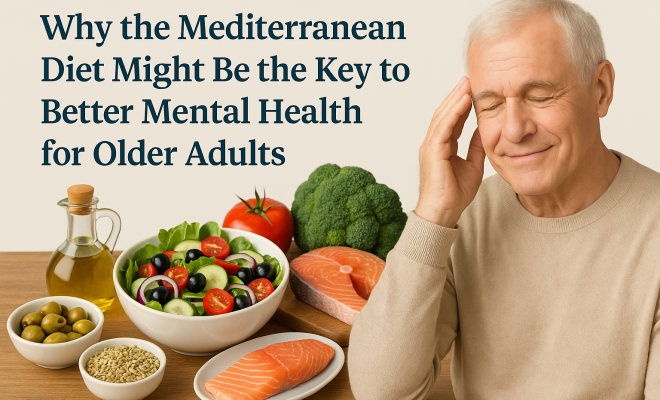
“`html
The link between diet and mental health has long been a topic of interest among researchers, nutritionists, and the general public. A recent study conducted during the COVID-19 pandemic in England has unveiled some astonishing findings regarding the Mediterranean diet and its impact on mental health, especially in older adults. This research highlights how a diet rich in fruits, vegetables, fish, and olive oil can significantly enhance psychological well-being, even in the face of the stressors associated with a worldwide health crisis. Related reading: mental health and chronic illness.
1. The Mediterranean Diet Explained
The Mediterranean diet is not just a diet but a lifestyle that emphasizes the consumption of whole, nutrient-dense foods. It traditionally includes a variety of fresh fruits and vegetables, whole grains, nuts, seeds, legumes, fish, and healthy fats, particularly olive oil. This diet is low in red meat and processed foods, focusing instead on plant-based ingredients that promote overall health.
Originating from the dietary habits of countries bordering the Mediterranean Sea, this eating pattern has been praised for its numerous health benefits. From cardiovascular health to weight management, the Mediterranean diet has shown promise in various areas. However, the recent research sheds light on another crucial aspect: its profound effect on mental health, particularly among older adults.
2. Study Insights: Mental Health Benefits During a Pandemic
Conducted during the height of the COVID-19 pandemic, the study involved a cohort of older adults in England who reported their dietary habits and mental health status. The findings were illuminating. Those who adhered closely to a Mediterranean diet reported significantly better psychological well-being than their counterparts who did not. The results remained robust, even amidst the widespread anxiety, depression, and stress that characterized this turbulent period.
This is particularly shocking because it suggests that the Mediterranean diet can provide a buffer against the mental health challenges exacerbated by external crises. It’s not just about consuming fewer calories or avoiding junk food; it’s about embracing specific foods that contribute positively to mental health.
3. Psychological Well-Being and Nutrient-Rich Foods
So, what exactly is it about the Mediterranean diet that contributes to improved mental health? The key lies in the nutrient-rich foods that are staples of this eating pattern. Foods such as fruits, vegetables, and whole grains are packed with vitamins, minerals, and antioxidants that play a role in brain health. For instance, omega-3 fatty acids found in fish are linked to lower rates of depression and anxiety.
Moreover, the fiber content in legumes and whole grains not only supports digestive health but also influences the gut-brain connection—a growing area of research showing that gut health can significantly impact mood and mental well-being. The Mediterranean diet’s emphasis on wholesome, natural foods may therefore serve as an antidote to the psychological strain brought on by stress and anxiety.
4. Whole Foods vs. Processed Foods: A Crucial Distinction
One of the most critical findings from the research is the specific efficacy of whole foods versus processed alternatives. While it’s easy to reach for convenience food during stressful times, these processed items often lack the essential nutrients that support mental health. In fact, diets high in processed foods have been linked to increased levels of anxiety and depression.
By contrast, adhering to a Mediterranean diet—focused on whole foods—provides the brain with the necessary building blocks to maintain emotional balance. This pivotal distinction is crucial for older adults looking to improve their mental health through dietary choices, particularly in our fast-paced, convenience-driven society.
5. The Role of Social Interaction and Lifestyle
Another interesting aspect of the Mediterranean lifestyle is its integration of social interaction and communal eating. Sharing meals with family and friends is a common practice in Mediterranean cultures, and this social component can also contribute to mental well-being. The act of sitting down to enjoy a meal together fosters connections and reduces feelings of isolation, which can be particularly important for older adults. (See: Healthy diet fact sheet by WHO.)
During the pandemic, many individuals experienced heightened feelings of loneliness, which can exacerbate mental health issues. The Mediterranean diet not only promotes healthy eating but also encourages socialization and community bonding, which are essential for emotional resilience.
6. Practical Tips for Adopting the Mediterranean Diet
If you or a loved one are considering adopting the Mediterranean diet to improve mental health, where should you start? Here are some practical tips:
- Start with Fruits and Vegetables: Aim to fill half your plate with a variety of colorful fruits and vegetables. Fresh produce is abundant in vitamins and antioxidants.
- Choose Whole Grains: Swap out white bread and pasta for whole grain options. Foods like quinoa, brown rice, and whole-grain bread provide fiber and nutrients.
- Incorporate Healthy Fats: Use olive oil as your primary cooking fat and add nuts and seeds to your meals for healthy omega-3 fatty acids.
- Include Fish: Aim to eat fish at least twice a week. Fatty fish like salmon and sardines are particularly beneficial for brain health.
- Limit Processed Foods: Reduce your intake of processed snacks, sugary drinks, and fast food.
7. A Community Approach: The Importance of Support
Transitioning to a Mediterranean diet can be challenging, especially for older adults accustomed to different eating patterns. Community support plays a significant role in this transition. Family members can encourage one another to embrace healthier eating, and local community programs can offer resources and education on meal planning and preparation.
Additionally, engaging with others who are also interested in adopting this lifestyle can provide motivation and accountability. Whether through online forums or local cooking classes, fostering a sense of community can make the transition smoother and more enjoyable.
8. Limitations of the Study and Further Research
While the study highlights compelling links between the Mediterranean diet and improved mental health, it’s important to note that further research is necessary to understand the full scope of these benefits. Future studies could explore specific food combinations, the impact of diet on various mental health conditions, and long-term benefits of adhering to the Mediterranean diet.
Moreover, it would be beneficial to conduct similar studies in diverse populations to determine if the findings hold true across different demographics. This continued exploration could deepen our understanding of how specific dietary patterns influence mental health on a larger scale.
9. Understanding the Science Behind the Mediterranean Diet
The science behind the Mediterranean diet’s impact on mental health is rooted in its rich nutrient profile. Certain vitamins and minerals are particularly known to support brain function. For example, B vitamins (like B6, B12, and folate) have been linked to the production of neurotransmitters that regulate mood. A deficiency in these vitamins has been associated with increased levels of depression and anxiety.
Research also suggests that antioxidants found in fruits and vegetables combat oxidative stress, which is often elevated in individuals with depression. Foods such as berries, citrus fruits, leafy greens, and tomatoes are excellent sources of these protective compounds. By incorporating these foods into your diet, you may enhance your body’s ability to counteract stress and promote mental clarity.
10. The Role of Physical Activity
While diet plays a pivotal role in mental health, physical activity is another crucial component of the Mediterranean lifestyle that shouldn’t be overlooked. Regular exercise has a direct impact on mood and anxiety levels, promoting the release of endorphins—often referred to as “feel-good” hormones. In Mediterranean cultures, physical activity is not only encouraged but often woven into daily life through walking and communal activities.
Research indicates that individuals who engage in regular physical activity experience fewer symptoms of depression and anxiety. Coupling the Mediterranean diet with a consistent exercise routine can further amplify mental health benefits, making it an effective holistic approach for older adults.
11. Evaluating the Cost of the Mediterranean Diet
Adopting a Mediterranean diet may raise concerns about cost, especially for those on a budget. However, many elements of this diet can be affordable. Purchasing seasonal fruits and vegetables, for instance, can help reduce expenses, as can shopping at local farmers’ markets. Additionally, plant-based proteins like legumes and whole grains are typically less expensive than meat and processed foods. (See: Mediterranean diet and mental health study.)
In terms of long-term health savings, investing in a nutritious diet could potentially reduce healthcare costs associated with chronic diseases linked to poor eating habits. It’s worthwhile to consider the Mediterranean diet as an investment in your health rather than an expense.
12. Comparative Diets and Their Mental Health Impacts
While the Mediterranean diet has been lauded for its mental health benefits, it’s interesting to look at how it compares with other dietary patterns. The DASH diet, for example, emphasizes heart-healthy foods and has also shown promise in supporting mental well-being. Similar to the Mediterranean diet, the DASH diet is rich in fruits, vegetables, and whole grains, but it places a stronger emphasis on reducing sodium intake.
Another example is the vegetarian diet, which may also offer mental health benefits due to its high fiber and nutrient content. However, individuals following a vegetarian diet need to be mindful of adequate protein and vitamin intake, particularly B12, which is primarily found in animal products. Each of these diets has unique strengths, and individuals might find different results based on their specific needs and preferences.
13. Frequently Asked Questions
What are the main components of the Mediterranean diet?
The Mediterranean diet includes a high intake of fruits, vegetables, whole grains, legumes, nuts, fish, and olive oil, along with a limited consumption of red meat and processed foods.
How can the Mediterranean diet improve mental health?
The Mediterranean diet is rich in nutrients, such as omega-3 fatty acids, antioxidants, and B vitamins, which are linked to better brain health and reduced symptoms of anxiety and depression.
Can I follow the Mediterranean diet on a budget?
Yes! Many components of the Mediterranean diet can be budget-friendly. Focusing on seasonal and local produce, legumes, and whole grains can help keep costs down.
How does the Mediterranean diet compare to other diets for mental health?
While the Mediterranean diet has shown significant benefits for mental health, other diets like the DASH diet and vegetarian diet also offer health advantages. Each has its unique components that can be beneficial for brain health.
Is there a recommended amount of fish to consume?
It is generally recommended to eat fish at least twice a week, focusing on fatty fish like salmon, mackerel, and sardines, which are high in omega-3 fatty acids beneficial for brain health.
What are some easy Mediterranean recipes for beginners?
For those looking to get started on the Mediterranean diet, there are numerous simple recipes to try. Some popular options include:
- Greek Salad: Combine chopped cucumbers, tomatoes, red onion, Kalamata olives, and feta cheese with a drizzle of olive oil and lemon juice.
- Chickpea Stew: Sauté onions, garlic, and bell peppers, then add canned tomatoes and chickpeas for a warming, nutritious meal.
- Grilled Fish Tacos: Use grilled fish topped with avocado, sliced cabbage, and a squeeze of lime in corn tortillas for a fresh dish.
- Quinoa Tabbouleh: Mix cooked quinoa with parsley, mint, tomatoes, and a lemon-olive oil dressing for a refreshing salad.
14. Psychological Insights and the Mediterranean Diet
Understanding how the Mediterranean diet influences mental health involves exploring psychological factors as well. The Mediterranean way of eating promotes mindfulness and intentionality in food choices. Rather than eating on-the-go or mindlessly snacking, individuals are encouraged to savor meals, making the dining experience a time for reflection and connection. This mindfulness can reduce stress levels and enhance emotional well-being. (See: BBC article on diet and mental health.)
In addition, the Mediterranean diet often correlates with a slower pace of life, especially in countries where this lifestyle originates. This slower lifestyle can lead to lower stress and a greater appreciation of everyday moments, which are vital for mental health.
15. Personal Stories: Real-Life Experiences with the Mediterranean Diet
Many individuals have shared their personal stories about how adopting a Mediterranean diet has positively affected their mental health. For example, Sarah, a 67-year-old retiree, reported feeling more energetic and less anxious after she replaced her typical diet high in processed foods with Mediterranean staples. She emphasized that cooking fresh meals not only improved her physical health but also gave her a sense of purpose and accomplishment.
Another individual, Mark, a 72-year-old widower, highlighted the social benefits of the Mediterranean diet. He joined a local cooking class focused on Mediterranean recipes and found new friends who shared his interest in healthy eating. The bonds he formed through these shared meals not only enriched his social life but also helped alleviate his feelings of loneliness.
16. Future Trends: The Mediterranean Diet and Mental Health Research
As research continues to unfold, the connection between the Mediterranean diet and mental health will likely lead to new insights and trends. There’s a growing interest in integrating mental health support within dietary interventions, implying that healthcare providers might recommend dietary changes as part of holistic mental health care.
Additionally, with the increasing prevalence of mental health issues globally, there may be more public health initiatives aimed at promoting Mediterranean dietary patterns. This could include educational campaigns and community programs designed to teach individuals how to adopt this enriching diet, ultimately benefiting mental health on a larger scale.
17. Conclusion: A Simple Yet Powerful Tool for Mental Health
The recent findings showcasing the Mediterranean diet’s impact on mental health, especially during high-stress periods like the pandemic, offer a glimmer of hope for older adults grappling with anxiety and depression. By focusing on a diet rich in whole foods and embracing the communal aspects of eating, individuals can create a sustainable, healthful lifestyle that not only nourishes the body but also uplifts the mind.
As we continue to navigate the complexities of life, particularly in the wake of the pandemic, embracing the Mediterranean diet could serve as a straightforward yet transformative approach to enhancing mental health. Why not give it a try? You might just find that a simple plate of fresh vegetables, fish, and olive oil could be the key to a happier, healthier you.
“`
Trending Now
Frequently Asked Questions
What is the Mediterranean diet?
The Mediterranean diet is a lifestyle that emphasizes whole, nutrient-dense foods, including fresh fruits, vegetables, whole grains, nuts, seeds, legumes, fish, and healthy fats like olive oil. It is low in red meat and processed foods, focusing on plant-based ingredients that promote overall health.
How does the Mediterranean diet affect mental health?
Recent research indicates that adhering to the Mediterranean diet can significantly enhance psychological well-being, particularly among older adults. This diet's rich nutrients may help mitigate anxiety, depression, and stress, especially during challenging times like the COVID-19 pandemic.
What are the benefits of the Mediterranean diet for older adults?
The Mediterranean diet offers numerous benefits for older adults, including improved cardiovascular health, better weight management, and enhanced mental health. Studies show that older adults following this diet experience greater psychological well-being compared to those who do not.
What foods are included in the Mediterranean diet?
Key components of the Mediterranean diet include fresh fruits and vegetables, whole grains, legumes, nuts, seeds, fish, and healthy fats, particularly olive oil. It encourages a variety of plant-based foods while limiting red meat and processed items.
Can diet really impact mental health?
Yes, diet can significantly impact mental health. Studies have shown that a balanced diet, such as the Mediterranean diet, can improve psychological well-being and help alleviate symptoms of anxiety and depression, particularly in older adults facing stressful situations. See also promise of psychedelic treatments.
Have you experienced this yourself? We'd love to hear your story in the comments.