Future Workforce AI: New Skills Demanded – Are You Ready?

“`html
The Rise of AI in the Workplace
Artificial Intelligence (AI) is more than just a buzzword; it’s rapidly becoming a cornerstone of everyday work processes across various industries. As organizations integrate AI into their operations, they are not merely looking at automation — they are witnessing a transformation that affects the very fabric of job roles and required skills. A recent report from LOMA highlights a critical trend: the demand for new skills is accelerating, underscoring the urgency for today’s workforce to adapt to the evolving landscape.
The Shift in Job Dynamics
It’s no secret that technology has historically disrupted job markets, but the advent of AI presents a unique scenario. While fears around job displacement are rampant, recent trends show that AI isn’t just replacing workers; it’s reshaping the job itself. This shift is highlighted by a significant increase in Google searches for terms like ‘AI job displacement’ and ‘reskilling for AI’. These statistics reflect a growing concern among professionals who feel they may be left behind in this new era.
Understanding Reskilling and Upskilling
As we look toward the future workforce AI, two terms are becoming increasingly vital: reskilling and upskilling. Reskilling involves training employees to take on new roles within their existing organizations, while upskilling focuses on enhancing current skills to adapt to new technologies. Both strategies are essential for adapting to the rapid changes AI brings. Organizations that prioritize these initiatives can foster a culture of continuous learning, making it easier for their workforce to transition into more advanced roles that AI will create.
The Emotional Charge Behind Job Security
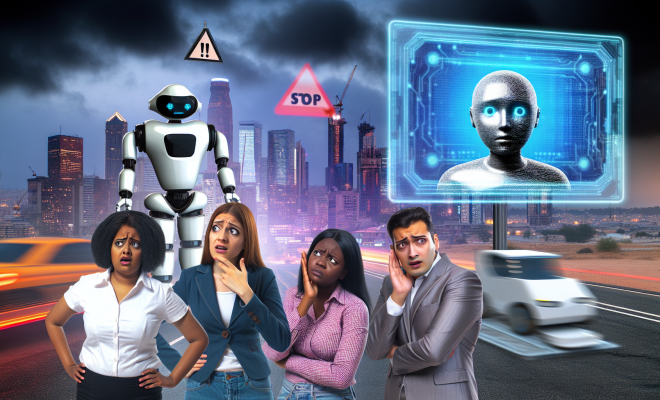
The emotional impact of AI on job security cannot be overstated. Many professionals are grappling with anxiety about their future employment prospects as AI technologies become more sophisticated. The fear of job loss is palpable, and this anxiety underscores the need for effective communication and reskilling initiatives from employers. It’s not just about retaining a workforce; it’s about cultivating a culture where employees feel secure enough to embrace change rather than resist it.
Intentional Hiring and Development Strategies
LOMA’s report emphasizes the importance of intentional hiring and development strategies in building the future workforce AI. Organizations must be proactive in identifying the skills required for future roles and integrating them into their hiring processes. This means looking beyond traditional qualifications and recognizing the potential of candidates willing to learn and grow. Development strategies should not only focus on technical skills but also on soft skills like adaptability, creativity, and problem-solving — traits that AI cannot replicate.
Case Studies of Successful Adaptation
Many companies are leading the way in preparing their workforce for an AI-driven future. For example, AT&T has invested heavily in retraining its employees, offering programs that focus on new technology skills and professional development. By emphasizing lifelong learning, they’re not just preparing employees for current roles but also for future opportunities. Similarly, Amazon has initiated programs to reskill its workforce, recognizing the importance of keeping employees engaged and relevant in a rapidly changing market.
The Role of Educational Institutions
Educational institutions also play a crucial role in shaping the future workforce AI. As traditional education systems often lag behind technological advancements, there’s a pressing need for curriculum redesigns that incorporate AI-related skills. Partnerships between industries and educational institutions can create a talent pipeline ready to meet the demands of an AI-centric job market. As a result, graduates will emerge with the skills employers are desperately seeking, reducing the talent gap in various sectors.
The Importance of Continuous Learning
In a world where the only constant is change, continuous learning becomes a cornerstone of professional success. Organizations need to foster environments where employees are encouraged to pursue ongoing education and training. This can include workshops, online courses, and mentorship programs that focus on both technical and soft skills. By fostering a mindset of lifelong learning, companies can ensure their workforce remains agile and ready to tackle the challenges posed by AI. (See: Reskilling in the workforce.)
Future Implications for Workforce Management
As AI continues to evolve, workforce management strategies must also adapt. Leaders need to cultivate an understanding of the interplay between AI and human workers. This includes recognizing the value that human oversight and creativity bring to the table, elements that AI cannot replicate. Companies should focus on creating hybrid teams where AI tools complement human skills, enhancing productivity rather than replacing it. Such strategies can lead to increased job satisfaction and improved retention rates.
Preparing the Future Workforce for AI
The future workforce AI will require a new approach to training and development. It’s essential for companies to analyze the specific AI technologies that are relevant to their industry and create targeted training programs. For example, the healthcare industry is increasingly using AI for diagnosis and treatment recommendations. Therefore, healthcare professionals must be trained not only in these technologies but also in how to work alongside AI systems to provide the best patient care.
Industry-Specific Training Programs
Different sectors will have different needs regarding AI integration. In manufacturing, AI can optimize supply chains, predictive maintenance, and quality control. Workers might need training in data analysis and machine learning basics to leverage these technologies effectively. In contrast, in finance, AI tools might be used for risk assessment and fraud detection, necessitating training that focuses on interpreting AI outputs and integrating them into financial decision-making processes.
The Role of Government and Policy Makers
Governments also play a crucial role in shaping the future workforce AI. Policies that support education and retraining programs can help communities transition into an AI-driven economy. Additionally, governments can encourage businesses to invest in workforce development through incentives or grants. By fostering cooperation between public and private sectors, there’s a greater chance of creating a sustainable workforce that can thrive in an AI landscape.
Statistics on AI Integration in the Workforce
Understanding the impact of AI on the workforce requires a look at the numbers. According to a report by McKinsey, up to 375 million workers globally may need to switch occupational categories due to automation and AI by 2030. This statistic emphasizes the urgency for both workers and employers to act. Another study by PwC predicts that up to 30% of jobs could be automated by the mid-2030s, underscoring the need for reskilling initiatives.
Expert Perspectives on Future Workforce AI
Experts in the field are not only focusing on the challenges posed by AI but also highlighting the opportunities it presents. For instance, Andrew Ng, a prominent AI researcher, emphasizes that while AI will disrupt many jobs, it will also create new ones that we can’t even envision yet. He argues that the best way to prepare for the future is to embrace AI as a tool that can augment human capabilities rather than viewing it solely as a threat.
Comparative Analysis of AI in Different Sectors
Different industries are embracing AI at varied paces and with distinct approaches. In retail, companies like Walmart are using AI for inventory management and customer service, transforming the shopping experience. This technological shift requires a workforce skilled in AI tools to enhance customer interactions and manage AI-driven inventory systems.
On the other hand, the education sector is leveraging AI to personalize learning experiences for students. Educators now need training to effectively integrate AI into their teaching methodologies, ensuring that they can harness the power of AI to improve student outcomes. (See: How AI is changing the future of work.)
Frequently Asked Questions (FAQ)
What is AI’s role in the future workforce?
AI will likely automate routine tasks, allowing employees to focus on more complex and creative aspects of their jobs. It will also create new job roles that require unique skills in AI technology and data interpretation. job displacement by AI offers useful background here.
How can workers prepare for AI in their jobs?
Workers should seek opportunities for reskilling and upskilling, focusing on both technical skills relevant to AI and soft skills like communication and problem-solving. Engaging in continuous learning through workshops and online courses can be particularly beneficial.
What industries are most affected by AI?
Industries such as manufacturing, healthcare, finance, and retail are experiencing significant changes due to AI. Each sector has unique applications and requires different skill sets for the workforce.
Is AI a threat to job security?
While AI may displace certain jobs, it is also expected to create new positions that require human oversight and creativity. The key is for workers to adapt by acquiring new skills that complement AI technologies. We covered learning and reskilling insights in more detail.
How can companies support their employees during this transition?
Companies can implement robust reskilling and upskilling programs, promote a culture of continuous learning, and maintain open lines of communication to address employee concerns about AI’s impact on their roles.
The Importance of Collaborative AI
As AI technology advances, the concept of Collaborative AI is gaining traction. This approach emphasizes partnerships between humans and machines, leveraging their respective strengths. Collaborative AI systems are designed to enhance human decision-making processes rather than replace them entirely. For instance, in sectors like healthcare, AI can assist doctors with diagnostics by analyzing vast amounts of data and providing insights, while the human touch remains crucial in patient care. This partnership can lead to improved outcomes, demonstrating how AI can be a complement rather than a competitor.
Impact of AI on Employee Experience
AI’s integration into the workplace isn’t just about operational efficiency; it significantly impacts employee experience. Automated systems can take over mundane tasks, allowing employees to engage in more meaningful work that fosters creativity and innovation. Companies that effectively implement AI can create a more stimulating work environment. For example, AI-driven analytics can help organizations understand employee satisfaction levels by analyzing feedback and engagement metrics, enabling them to make data-informed decisions to enhance workplace culture.
Global Perspectives on the Future Workforce AI
The global landscape of AI adoption varies significantly, influenced by regional economic development, technological readiness, and cultural attitudes toward new technologies. In countries like the United States and China, AI is being harnessed at a rapid pace, leading to increased investment in tech startups and innovation hubs. Conversely, developing nations may face challenges such as skill gaps and inadequate infrastructure, hindering their ability to fully leverage AI. However, initiatives promoting knowledge transfer and technology access can empower these regions, creating a more balanced global workforce equipped for the AI era. (See: Automation and job training.)
Challenges in AI Implementation
Despite the potential benefits of AI, organizations face several challenges in implementation. Issues such as data privacy, ethical considerations, and resistance to change can complicate the integration of AI technologies. For instance, employees may fear that AI will undermine their roles, leading to pushback against new systems. To mitigate these challenges, businesses must prioritize transparency, engage employees in the transition process, and ensure that there are clear guidelines surrounding data use and AI ethics. Establishing trust and open communication can significantly ease concerns and foster a more accepting environment for AI adoption.
The Future of Work: What Lies Ahead?
Looking ahead, the future of work in the context of AI will likely be characterized by flexibility and adaptability. Remote work, empowered by AI tools for collaboration and productivity, may become a standard. Employees will need to cultivate a diverse skill set that includes both hard technical skills to work with AI systems and soft skills to navigate interpersonal dynamics. Companies will benefit from fostering a culture that embraces change, encourages experimentation, and continuously seeks to improve the integration of AI in everyday operations.
Statistics on Workforce Transformation Due to AI
Recent research from the World Economic Forum indicates that by 2025, the labor market may experience a net gain of 97 million new roles created by the rise of AI. This statistic highlights the potential for AI to not only displace jobs but also create new opportunities. Moreover, a survey conducted by Gartner revealed that 70% of organizations are planning to increase their investment in AI and machine learning in the next few years, indicating a clear trend toward prioritizing technological advancement. As these investments grow, so will the need for a skilled workforce ready to take on the diverse challenges that AI will bring.
Building a Resilient Future Workforce
To ensure that the future workforce flourishes in an AI-dominant landscape, resilience is key. Organizations should implement strategies that promote adaptability among employees, fostering an environment where change is seen as an opportunity rather than a threat. Training programs focused on critical thinking, emotional intelligence, and cross-disciplinary skills will empower workers to navigate the complexities of the AI era effectively. By investing in their workforce, companies can build a more resilient organization capable of thriving amidst continuous technological change.
Conclusion: Preparing for a New Era
The future workforce AI is arriving faster than we may have anticipated. As companies and individuals grapple with the implications of AI on job roles and required skills, the focus must shift to proactive adaptation strategies. Embracing reskilling and upskilling, fostering a culture of continuous learning, and ensuring that workforce management evolves alongside technological advances are all critical steps in this journey. Ultimately, it’s not just about surviving the changes; it’s about thriving in this new era of work.
“`
Trending Now
- our breakdown of why plumbing businesses can’t afford to ignore these review automation tools in 2026
- this guide on bitcoin and ethereum prices plunge: what it means for investors on june 25, 2026
- BTC Price Plunge: Why June 2026…
- The Unseen Dangers of AI Agents: A CISO’s Guide to Emerging Cybersecurity Risks
- this guide on the terrifying rise of the ai-powered cybersecurity worm: what you need to know
Frequently Asked Questions
What skills are needed for the future workforce with AI?
The future workforce will require a combination of technical skills, such as data analysis and AI programming, as well as soft skills like adaptability and critical thinking. Reskilling and upskilling will be essential to meet these demands, enabling employees to thrive alongside AI technologies.
How is AI changing job roles?
AI is not just replacing jobs; it is reshaping them by automating routine tasks and creating new roles that require advanced skills. This transformation necessitates that workers adapt to new responsibilities and technologies, emphasizing the importance of continuous learning.
What is the difference between reskilling and upskilling?
Reskilling involves training employees to take on entirely new roles within their organizations, while upskilling focuses on enhancing existing skills to adapt to new technologies. Both strategies are crucial for workforce adaptation in an AI-driven environment.
Why is there anxiety about job security with AI?
The rise of AI technologies has sparked concerns about job displacement, leading to anxiety among professionals regarding their future employment prospects. This emotional impact is significant, as many fear being left behind in an evolving job market.
How can organizations prepare their workforce for AI integration?
Organizations can prepare their workforce for AI integration by prioritizing reskilling and upskilling initiatives. Fostering a culture of continuous learning will help employees adapt to new technologies and transition into advanced roles created by AI advancements.
Agree or disagree? Drop a comment and tell us what you think.