2026 Solar Eclipse: Experience Totality in Iceland & Spain
“`html
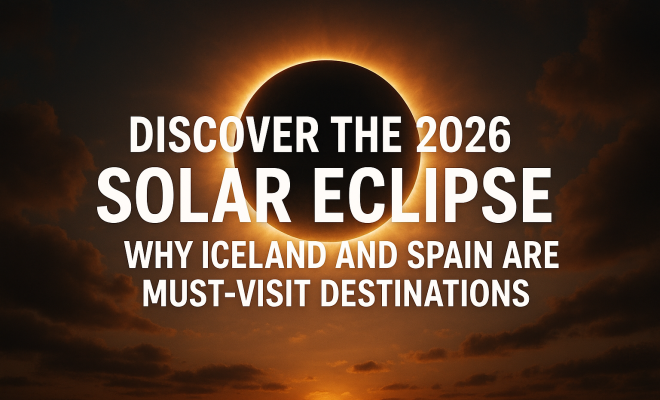
The excitement is palpable as the date for the 2026 solar eclipse draws nearer. On August 12, 2026, a total solar eclipse will grace the skies, primarily visible from Iceland and Spain. This astronomical phenomenon promises to be a breathtaking spectacle for millions, and it has sparked a surge in travel plans and social media buzz. Whether you’re an avid astronomer or just someone wanting to witness a rare natural event, here’s what you can expect from this celestial marvel.
1. Understanding the 2026 Solar Eclipse
A total solar eclipse occurs when the moon completely covers the sun, casting a shadow on the Earth. During this event, day transforms into night for a few brief moments. The upcoming 2026 solar eclipse will provide a unique opportunity for observers in Europe, with Iceland and Spain sitting directly in the path of totality.
This eclipse is not just another astronomical event; it’s a rare occurrence that typically happens only once every 18 months somewhere on Earth. However, witnessing totality—a complete blackout of the sun—is a treasure that may elude many throughout a lifetime. The last total solar eclipse visible in the continental United States was in 2017, and the next one won’t occur until 2024. This scarcity heightens the emotional stakes for those hoping to experience it.
2. Why Iceland Is a Key Viewing Location
Iceland has become a hotspot for eclipse chasers and travelers alike. The country offers a uniquely raw and picturesque landscape, perfect for viewing such a celestial event. With its vast open skies, low light pollution, and stunning natural beauty, Iceland provides an ideal backdrop for the 2026 solar eclipse.
On the day of the eclipse, cities like Reykjavik and Akureyri will be bustling with tourists eager to catch a glimpse of the totality. Accommodation options are rapidly filling up, and many travel packages are being offered specifically for this event. Local tour operators are crafting experiences that go beyond just viewing the eclipse, including guided tours of Iceland’s geysers, waterfalls, and volcanic landscapes—making it a full-fledged adventure.
Furthermore, the unique geological features of Iceland present an opportunity for scientific exploration. Researchers anticipate the eclipse will reveal insights into the atmosphere’s behavior and how it interacts with solar phenomena. This intersection of travel and science adds an extra layer of intrigue for visitors.
3. Spain: A Diverse Experience During the Eclipse
Spain is set to experience a breathtaking view of the total solar eclipse, particularly in the northern regions like the Basque Country and Galicia. This offers a fascinating juxtaposition of cultural experiences and astronomical wonder. The anticipation of the eclipse is already evident in cities like Bilbao and Santiago de Compostela, where people are preparing to revel in both the darkness and the local festivities.
In Spain, the 2026 solar eclipse will coincide with summertime, enhancing the vibrant atmosphere. Locals and tourists alike are expected to gather in parks, plazas, and along coastlines to witness the event. Many local businesses are capitalizing on the occasion by organizing special events, eclipse-themed menus, and viewing parties.
Historians note that Spain has a rich tradition of celebrating celestial events, dating back to ancient times when societies would gather to mark changes in the heavens. This cultural enthusiasm surrounding the eclipse contributes to its allure, making it a memorable experience not just for the spectacle itself but for the celebrations that accompany it.
4. Travel Tips for Eclipse Chasers
As the interest in the 2026 solar eclipse grows, many travelers are actively seeking tips on how to maximize their viewing experience. First and foremost, it’s essential to secure accommodations well in advance, as many hotels and lodges are already booked. Look for establishments that offer special eclipse packages that might include guided tours or viewing parties.
When planning your viewings, consider the weather conditions. Both Iceland and Spain have their unique climates; Iceland’s weather can be unpredictable, so a flexible viewing plan is wise. In Spain, summer heat may be a factor, so ensure you stay hydrated and take necessary precautions against the sun. Finally, invest in proper solar viewing glasses to safely witness the eclipse without risking your eyesight.
Another key point is to arrive at your chosen viewing spot early to secure a good vantage point. Popular locations may attract large crowds, so being early can make the difference between a great view and a disappointing one. Also, consider group travel options for a shared experience and potential discounts on accommodations and activities. (See: understanding solar eclipses.)
5. Social Media Buzz and Online Communities
In today’s digital age, social media plays a pivotal role in how people prepare for events like the 2026 solar eclipse. Platforms like Instagram, Twitter, and TikTok are buzzing with content related to the eclipse—ranging from tips and tricks to breathtaking simulations of what the totality will look like. Influencers, scientists, and enthusiasts are sharing facts, personal experiences, and recommendations.
These online communities have become hubs for sharing information, allowing potential viewers to connect with each other, exchange ideas, and even organize group travel plans. Engaging with these communities offers a sense of camaraderie and excitement that enhances the overall experience of preparing for the eclipse.
Many eclipse enthusiast groups on social media host live discussions and Q&A sessions with experts leading up to the event. These interactions provide valuable insights into the science of eclipses, as well as tips on how to safely observe and photograph the event. It’s a great way to build anticipation and knowledge ahead of the big day.
6. The Science Behind Solar Eclipses
Understanding the science behind a solar eclipse can significantly enhance your viewing experience. The mechanics of a total solar eclipse involve the alignment of the sun, moon, and Earth. During totality, the moon completely obscures the sun, allowing observers to see the sun’s corona, which is usually invisible to the naked eye. This phenomenon can be incredibly awe-inspiring.
A solar eclipse also provides scientists with unique opportunities to study the sun’s atmosphere and its effects on the Earth’s environment. For instance, the temperature can drop significantly during totality, which can affect local weather patterns temporarily. This year, various astronomical organizations will host events and lectures leading up to the 2026 solar eclipse, providing valuable insights into the science behind this stunning event.
Additionally, research has shown that solar eclipses can influence animal behavior. Well-documented examples include birds returning to their nests, crickets chirping, and other wildlife exhibiting signs of confusion as night falls unexpectedly. Observing these natural reactions can be just as fascinating as the eclipse itself and adds depth to the event.
7. What to Expect During Totality
Experiencing totality is often described as one of the most awe-inducing moments in life. As the moon begins to cover the sun, you’ll notice the temperature dropping and the world around you growing dimmer. Birds may stop chirping, and nocturnal animals may become active. When totality finally arrives, the sky will darken, and the sun’s corona will become visible, creating a breathtaking halo effect.
Many observers report feeling a sense of collective emotion during this moment. People often cheer, scream, or simply stand in stunned silence as they witness this incredible natural phenomenon. It’s a unique experience that connects people, regardless of their backgrounds, in a moment of shared wonder.
In addition to the visual spectacle, the unique lighting conditions during totality can produce a striking contrast in colors. Shadows become sharper, and the landscape may take on an eerie quality. These elements combine to create a once-in-a-lifetime experience that should not be missed.
8. Photography Tips for Capturing the Eclipse
For those looking to capture this celestial spectacle, photography during the 2026 solar eclipse requires careful planning and the right equipment. Standard cameras and smartphones cannot safely capture the sun without risking damage to the device and the photographer’s eyesight. Specialized solar filters are essential for safely photographing the sun.
Practicing with your equipment beforehand is advisable to avoid missing the moment. Consider settings like exposure, focus, and timing, as the phases of an eclipse unfold rapidly. There are various online resources and communities that specialize in eclipse photography, offering tips and sharing their methods for capturing the event.
Additionally, consider using a tripod for stability and allowing for longer exposure times to capture the nuances of the eclipse phases. Capturing the reactions of fellow viewers can also add an emotional layer to your photography. Remember, it’s not just about the eclipse itself; it’s about the entire experience.
9. Embracing the Experience: Beyond the Eclipse
While the 2026 solar eclipse is undoubtedly a major highlight, both Iceland and Spain offer a wealth of experiences beyond just the celestial event. In Iceland, visitors can explore stunning landscapes, geothermal pools, and rich Norse history. In Spain, dive into the local culture with its diverse cuisine, stunning architecture, and rich history. (See: NASA's solar eclipse information.)
Consider extending your trip to immerse yourself fully in the cultural richness and natural beauty each location offers. Whether you’re hiking in Iceland or savoring tapas in Spain, the experiences surrounding the eclipse will create memories that last a lifetime.
10. Preparing for the 2026 Solar Eclipse: Essential FAQs
As you get ready for the 2026 solar eclipse, you might have some questions. Here are some of the most frequently asked questions to help you prepare:
What time will the eclipse occur?
The timing of the eclipse will vary depending on your location. In general, the total eclipse will happen around mid-afternoon in both Iceland and Spain. Check local resources for precise timings in your area.
How long will totality last?
The duration of totality can vary based on your location within the path. In some areas, totality may last up to three minutes, providing ample time to enjoy this celestial phenomenon.
Is it safe to look at the eclipse without special glasses?
No, it’s not safe to look directly at the sun without proper solar viewing glasses except during the brief moment of totality. Regular sunglasses do not provide adequate protection.
Will there be any organized events for viewing the eclipse?
Yes, many cities and towns in the path of totality will host organized events, including educational talks, viewing parties, and cultural activities. It’s a great way to enhance your experience!
What if the weather doesn’t cooperate?
Weather can be unpredictable, especially in Iceland. It’s wise to have a flexible viewing plan and be prepared to move to a different location if necessary. Many travelers plan to spend their eclipse day in areas known for clearer skies.
Can I participate in scientific observations during the eclipse?
Yes! Many scientific organizations will engage the public during the eclipse to gather data and observations. Participating can add a unique dimension to your experience.
11. Historical Context of Solar Eclipses
Solar eclipses have fascinated humanity for centuries, often regarded as omens or significant events. Historical accounts show that civilizations like the Babylonians and Ancient Greeks carefully studied eclipses, integrating them into their calendars. The Ancient Chinese attributed eclipses to celestial dragons devouring the sun, leading to communal rituals to fend off the beast. These historical perspectives contribute to our understanding of how deeply ingrained the phenomenon of solar eclipses is in human culture.
12. Local Events and Activities During the Eclipse
Both Iceland and Spain will host numerous events around the time of the 2026 solar eclipse. In Iceland, expect astronomy festivals featuring expert talks, workshops, and local art exhibitions to celebrate the occasion. Meanwhile, Spain will likely host traditional fiestas, with music, dance, and local cuisine showcasing regional heritage. Engaging in these festivities not only enhances your eclipse experience but also provides a rich cultural immersion.
13. What Science Says About Eclipses
Scientists utilize solar eclipses as valuable opportunities for research. For example, during past eclipses, astronomers have made significant advancements in understanding solar flares and the sun’s corona. The 2026 solar eclipse provides another chance for researchers to gather data, particularly on how the sun influences space weather. Solar eclipses pose unique opportunities to study these phenomena, as they block out the sun’s light, allowing scientists to examine solar emissions and their effects on Earth’s magnetosphere. (See: safety tips for viewing eclipses.)
14. Travel Considerations During the Eclipse
Traveling during the 2026 solar eclipse can present unique challenges. Accommodations in prime viewing locations are likely to be booked quickly, so securing your lodging as soon as possible is crucial. Additionally, be aware of potential traffic congestion on the day of the eclipse. Many people will be traveling to the same cities and towns, so plan your travel routes and times accordingly. Some travelers might consider arriving a few days early to avoid the rush and fully enjoy the local atmosphere.
15. Extended FAQs for the 2026 Solar Eclipse
As the 2026 solar eclipse date approaches, you may have more questions. Here are additional FAQs that might help:
What if I’m not in the path of totality?
If you’re outside the path of totality, you will still see a partial solar eclipse. While this is a beautiful event, experiencing totality is unique. If possible, consider traveling to a location within the path to witness the full effect.
Can children safely view the eclipse?
Yes, children can safely view the eclipse with the proper precautions. Make sure they wear approved solar glasses, and supervise their viewing to ensure safety.
Will there be opportunities for educational talks?
Absolutely! Many organizations, including astronomy clubs and universities, will host talks and educational events in the lead-up to the eclipse. Check local listings for specific events near you.
What should I bring for viewing the eclipse?
Essential items include solar viewing glasses, a camera with a solar filter if you’re photographing the event, snacks, water, and comfortable seating, depending on your location. Being prepared will ensure you have an enjoyable experience.
What are some recommended resources for learning more about solar eclipses?
There are numerous resources available, including websites dedicated to astronomy, social media groups focusing on eclipse watching, and educational institutions offering lectures. Online platforms like YouTube also have valuable content, featuring expert discussions and past eclipse footage.
The upcoming 2026 solar eclipse is more than just an astronomical event; it’s a chance to connect with others, embrace the beauty of nature, and experience the wonder of the universe. So mark your calendars, make your travel plans, and prepare for one of the most unforgettable moments of your life!
“`
Trending Now
Frequently Asked Questions
When is the 2026 solar eclipse?
The 2026 solar eclipse is set to occur on August 12, 2026. It will be a total solar eclipse, primarily visible from locations in Iceland and Spain, providing a rare opportunity for millions to witness this spectacular event.
Why should I visit Iceland for the solar eclipse?
Iceland is an ideal location for viewing the 2026 solar eclipse due to its stunning landscapes, low light pollution, and vast open skies. Cities like Reykjavik and Akureyri will be prime spots for tourists seeking the best experience of totality.
What is the path of totality for the 2026 solar eclipse?
The path of totality for the 2026 solar eclipse will primarily cross through Iceland and Spain. Observers within this path will experience the complete blackout of the sun, making it a must-see event for astronomy enthusiasts and travelers alike.
How often do total solar eclipses occur?
Total solar eclipses are rare events that typically occur somewhere on Earth approximately every 18 months. However, witnessing totality is much less common, making the 2026 solar eclipse a significant opportunity for many people.
What should I know before traveling to see the eclipse?
Before traveling for the 2026 solar eclipse, it's essential to plan your accommodations early, as demand will be high. Consider booking travel packages from local tour operators, and ensure you have proper solar viewing glasses to safely enjoy the event.
Have you experienced this yourself? We'd love to hear your story in the comments.