Future of Senior Care: Prioritizing Mental Health in 2026
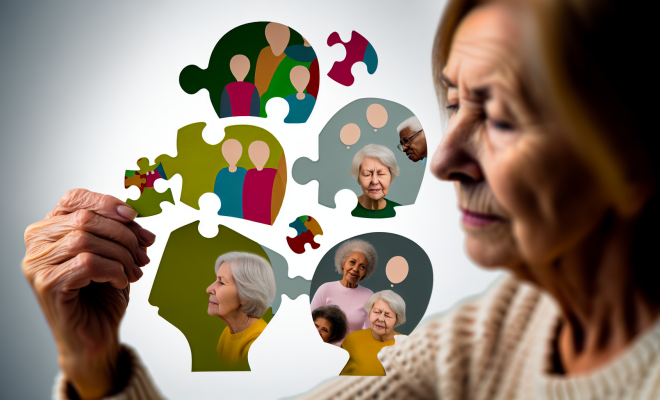
The Future of Senior Care: A Shift Towards Mental Wellness
As the global population ages, the landscape of senior care is rapidly evolving. With more individuals living into their golden years, the need for innovative care models has become increasingly urgent. One of the most significant trends emerging in this field is the recognition of mental health as a paramount concern. According to a report published on April 9, 2026, addressing mental health issues among older adults is not just beneficial; it is essential for enhancing their quality of life.
The Mental Health Crisis Among Seniors
Loneliness and isolation are pervasive issues affecting the mental health of older adults. The World Health Organization (WHO) has highlighted that these feelings can lead to serious mental health challenges, such as depression and anxiety. In fact, studies have shown that a significant percentage of seniors experience these symptoms, which can adversely affect their physical health and cognitive function. Thus, the need for a comprehensive approach to senior care that prioritizes mental wellness cannot be overstated.
Strategies to Combat Loneliness
To address the mental health crisis among older adults, various strategies are being implemented across senior care facilities and programs. Here are some key initiatives aimed at fostering social connections and emotional support:
- Counseling Services: Many facilities are now offering on-site counseling services to provide emotional support and mental health resources.
- Group Discussions: Facilitated group discussions create a platform for seniors to share their experiences and feelings, reducing feelings of isolation.
- Hobby Clubs: Engaging seniors in hobbies or activities they enjoy can significantly improve their mood and mental well-being.
- Community Events: Organizing community events encourages social interaction and helps build friendships among residents.
The Link Between Mental and Physical Health
Research has consistently indicated a strong correlation between mental well-being and physical health in older adults. Improved mental health can lead to better physical outcomes, including a reduced risk of chronic diseases, enhanced cognitive function, and an overall higher quality of life. This holistic approach to health care not only benefits seniors but also alleviates the burden on health care systems.
Personalized Care Models
As the demand for senior care continues to grow, the trend is shifting towards personalized, technology-enhanced care models. These models prioritize individual preferences and needs, ensuring that care is tailored to each senior’s unique circumstances.
Incorporating technology into senior care can also facilitate better communication and engagement. For instance, telehealth services allow seniors to receive medical and psychological support from the comfort of their homes. Wearable technology can monitor health metrics and alert caregivers to potential issues before they escalate, creating a proactive approach to health management.
Creating a Home-Like Environment
Another significant trend in senior care is the move towards creating home-like environments within care facilities. This approach aims to reduce the institutional feel often associated with traditional nursing homes, making residents feel more comfortable and at ease.
Home-like settings often include:
- Personalized living spaces designed to reflect the individual’s tastes and preferences.
- Flexible meal options that cater to dietary needs and preferences.
- Access to outdoor spaces and gardens to promote physical activity and exposure to nature.
- Opportunities for family involvement in caregiving and activities.
Preventive Measures and Social Connection
Preventive measures are becoming an integral part of senior care strategies. By focusing on mental wellness, facilities aim to reduce the incidence of mental health issues before they develop. This proactive approach includes regular mental health screenings, educational workshops on coping mechanisms, and fostering an environment that encourages open dialogue about mental health.
Social connection is also emphasized in these care models. Engaging seniors in group activities not only combats loneliness but also enhances their emotional resilience. Creating opportunities for socialization—whether through game nights, fitness classes, or art therapy—can significantly improve the overall well-being of seniors.
Conclusion: A Comprehensive Approach to Senior Care
The future of senior care is undoubtedly focused on mental health and social wellness. As we continue to witness the aging of the population, it is crucial for care models to adapt and evolve. Emphasizing mental health not only improves the quality of life for seniors but also promotes better health outcomes. By implementing personalized care strategies, combating loneliness, and fostering social connections, we can pave the way for a more supportive and effective framework for senior care.