The Best Volcano Videos for Kids
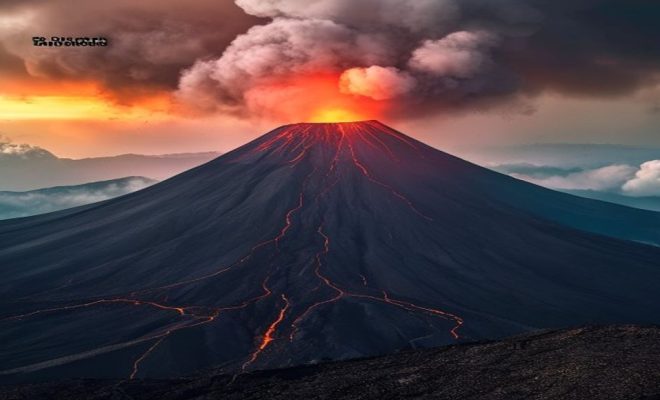
When it comes to engaging young minds, few subjects ignite curiosity like volcanoes. The explosive power of these natural wonders can captivate children, turning ordinary learning into a thrilling adventure. If you’re on the hunt for volcano videos for kids, you’re in the right place! This guide will walk you through the best educational and entertaining videos that not only hold children’s attention but also impart essential knowledge about the fascinating world of volcanology.
1. The Science of Volcanoes: National Geographic Kids
One of the best resources for kids is the National Geographic Kids channel on YouTube. Their video titled The Science of Volcanoes breaks down complex geological concepts into digestible segments. It covers the different types of volcanoes, such as shield and stratovolcanoes, and explains the processes involved in eruptions. The animation and graphics used in this video are particularly engaging, making it easier for younger audiences to grasp these scientific principles.
Furthermore, the video emphasizes the importance of volcanoes in shaping our planet. For instance, it discusses how volcanic eruptions can lead to the formation of new land, showcasing real-world examples like the Hawaiian Islands. This video not only informs children but also inspires them to appreciate the natural beauty that volcanoes contribute to our world.
2. Volcano Eruptions: The Ultimate Compilation: Kids Fun Science
Kids Fun Science offers an exhilarating video compilation titled Volcano Eruptions, featuring various volcanic eruptions around the globe. This video is a visual feast, showcasing both historical eruptions and more recent events. It captures the awe-inspiring power of nature, making it a great choice for any young adventurer.
What’s great about this compilation is the excitement it generates. Kids will be glued to the screen as they watch real footage of lava flows and ash clouds. The commentary is age-appropriate, providing informative explanations without overwhelming the viewer. This video is an excellent way to introduce children to the dynamics of volcanic activity while keeping them engaged with thrilling visuals.
3. How Volcanoes Are Formed: SciShow Kids
SciShow Kids is another fantastic resource for educational content, and their video How Volcanoes Are Formed dives into the science behind volcanic formation. It explains the tectonic plates and the role they play in the creation of volcanoes. With clear animations and lively explanations, this video makes complex geological processes accessible to young learners.
The video also discusses the difference between active, dormant, and extinct volcanoes, giving kids a solid understanding of volcano classification. Not only does this video enlighten kids about how volcanoes form, but it also sparks their interest in earth sciences, making them curious about other geological phenomena.
4. Explosive Volcanoes: PBS Learning Media
PBS Learning Media’s Explosive Volcanoes is an engaging resource that focuses on the characteristics of explosive eruptions. Featuring stunning visuals of various eruptions, this video aims to explain why certain volcanoes erupt violently while others do not. The scientific concepts are presented in a kid-friendly manner, with relatable analogies and examples. (See: USGS Volcano Hazards Program.)
This video emphasizes the importance of safety around volcanic areas and explains the potential hazards associated with explosive eruptions. This aspect not only educates children about volcanoes but also teaches them to respect nature’s power. It’s a great educational tool, balancing excitement with essential safety information.
5. Volcanic Eruption Simulation: Mystery Science
Mystery Science provides a unique educational experience with its Volcanic Eruption Simulation. This video engages kids in hands-on learning by suggesting simple experiments they can conduct at home, such as baking soda volcanoes. The step-by-step instructions make it easy for kids to replicate the experiment while learning about the chemical reactions that cause eruptions.
By actively participating in the learning process, children are more likely to retain information. This interactive approach fosters curiosity and encourages them to explore scientific concepts beyond the screen. Plus, the satisfaction of creating their own mini-eruption makes the learning experience memorable and fun!
6. Volcano Facts for Kids: Kids Academy
The Kids Academy video titled Volcano Facts for Kids provides a concise overview of volcanoes, making it perfect for younger audiences. This video covers essential facts, like the components of a volcano, and introduces children to terms like magma, lava, and crater. It presents the information in a fun and engaging way, using catchy music and colorful animations.
What sets this video apart is its educational value combined with entertainment. Kids Academy uses memorable visuals and rhyme to help children remember key facts about volcanoes. This approach is fantastic for reinforcing learning through repetition and creativity, making it a useful addition to any educational toolkit.
7. Volcanoes Around the World: Kids Discover
If you’re looking to expand your child’s knowledge beyond the basics, the Volcanoes Around the World video from Kids Discover is an excellent choice. This video explores famous volcanoes globally, such as Mount Vesuvius and Mount St. Helens, providing insights into their unique histories and significance.
The engaging storytelling combined with vivid graphics allows children to visualize these monumental structures. Learning about famous eruptions and the cultures surrounding these volcanoes helps contextualize the information, making it relatable. Kids will likely find themselves fascinated by the stories of ancient civilizations that thrived near these fiery giants.
8. The Lifecycle of a Volcano: TED-Ed
TED-Ed’s The Lifecycle of a Volcano is perfect for older kids who are ready to dive deeper into volcanic science. This video offers a comprehensive look at how volcanoes evolve over time, from their formation to potential extinction. The animation is captivating, and the expert narration provides clear and insightful explanations.
This video is particularly valuable for fostering critical thinking, as it encourages kids to contemplate what happens to volcanoes once they become dormant. By exploring the lifecycle, children gain a broader understanding of the earth’s processes and the ongoing changes within our planet’s crust.
9. Mythical Volcanoes: YouTube Kids
Lastly, the Mythical Volcanoes series on YouTube Kids introduces children to the folklore and myths surrounding volcanoes. The video combines storytelling with factual information, allowing kids to explore different cultures’ beliefs about volcanoes. Through animated illustrations, children learn how various societies have interpreted volcanic activity throughout history. (See: Scientific articles on volcanoes.)
This unique approach not only educates about volcanoes but also adds a cultural dimension to learning. By discussing mythical volcanoes, children can appreciate how natural phenomena have inspired human creativity and imagination over the centuries.
10. Hands-On Activities: Learning About Volcanoes
To further enhance the learning experience, consider incorporating hands-on activities alongside watching volcano videos for kids. Engaging in physical experiments helps solidify the concepts learned in videos, making education more interactive and fun. Here are a few ideas:
- Baking Soda Volcano: This classic experiment uses baking soda and vinegar to simulate a volcanic eruption. Kids can add food coloring to create lava that flows out of their homemade volcano.
- Layered Volcano Model: Using materials like sand, soil, and gravel, children can build a model that illustrates how different layers of a volcano are structured. This can help them understand why certain eruptions are more explosive than others.
- Volcano Art: Encourage kids to create art projects that depict various types of volcanoes. They can use clay or playdough to mold volcano shapes and paint them to represent different volcanic activity.
These activities not only reinforce the concepts discussed in videos but also foster creativity and problem-solving skills as they experiment with different materials.
11. Real-World Examples: The Impact of Volcanic Activity
Understanding the real-world implications of volcanic activity can deepen children’s appreciation for these natural wonders. Volcanic eruptions can have significant effects on the environment, weather patterns, and even human life. For instance, the eruption of Mount Pinatubo in 1991 released ash that affected global temperatures for years. It also serves as a case study on how communities can prepare for and respond to volcanic hazards.
Kids can learn about the role of scientists in monitoring volcanoes through organizations like the United States Geological Survey (USGS). These professionals use advanced technology to predict eruptions and help keep communities safe. This insight can inspire interest in careers in earth sciences and environmental studies.
12. FAQ: Common Questions About Volcanoes
As children explore the fascinating world of volcanoes, they may have questions. Here’s a handy FAQ to address some common queries:
- What causes a volcano to erupt?
- Volcanoes erupt when there is a buildup of pressure from magma inside the earth. When the pressure becomes too great, it forces its way to the surface, resulting in an eruption.
- Can volcanoes erupt without warning?
- Some volcanoes can erupt with little warning, while others show signs of activity beforehand, such as earthquakes, gas emissions, or changes in heat. Scientists monitor these signs to predict potential eruptions.
- Are all volcanoes dangerous?
- Not all volcanoes are equally dangerous. Some are dormant and pose minimal risk, while others are classified as active and can erupt unexpectedly. It’s essential to understand the status of a volcano when living near one.
- What is the difference between magma and lava?
- Magma is molten rock found beneath the Earth’s surface. Once it erupts and reaches the surface, it’s called lava. The distinction is based on its location.
- How do volcanoes affect climate?
- Volcanic eruptions can impact climate by releasing ash and gases into the atmosphere, which can block sunlight and lead to temporary cooling. For example, the eruption of Krakatoa in 1883 caused significant global temperature drops.
13. Recommended Books and Additional Resources
For parents and educators looking to extend the learning experience, there are plenty of books and resources available that delve deeper into the world of volcanoes. Here are some recommended titles:
- Volcanoes: Top 10 Facts by Kelly O’Neil – A kid-friendly book that provides fascinating facts about volcanoes, perfect for young readers.
- National Geographic Little Kids First Big Book of Dinosaurs by Catherine D. Hughes – While focused on dinosaurs, it provides context about the environments, including volcanoes, that these creatures lived in.
- The Magic School Bus Inside a Volcano by Joanna Cole – A fun, educational read that takes children on a fictional field trip inside a volcano.
- Volcanoes: Erupting with Science by Sarah Albee – This book combines facts and fun illustrations to teach kids about how volcanoes work and their impact on Earth.
- Our Planet: Earth’s Volcanoes by Jillian Roberts – A child-friendly overview that provides a global perspective on volcanology, including geographical locations and fun facts.
These resources can complement what kids learn from videos, enriching their understanding and sparking further questions about the natural world.
14. Fun Volcano Facts to Share
To get kids even more excited about volcanoes, sharing fun facts can be a great way to pique their interest. Here are some intriguing facts about volcanoes:
- The most active volcano in the world is Kilauea in Hawaii, which has been erupting continuously since 1983.
- Volcanoes can actually create new landforms. For example, the island of Surtsey off the coast of Iceland emerged from the sea due to a volcanic eruption in 1963.
- The largest volcano in the solar system is Olympus Mons on Mars, which is about 13.6 miles high, nearly three times the height of Mount Everest.
- Volcanic ash can be very light and can travel thousands of miles in the atmosphere before settling to the ground.
- Some volcanoes have “smoking” craters where gases are emitted, which is a sign of volcanic activity but not necessarily an indication of an impending eruption.
These facts can be a fun addition to educational lessons and can encourage kids to do their own research on volcanoes.
15. Connecting Volcanoes to Other Subjects
Volcanoes are not just a subject for earth science; they can intersect with various subjects, enhancing interdisciplinary learning. Here’s how:
- History: Discuss the historical impact of famous eruptions—like Pompeii and Vesuvius—on ancient civilizations.
- Geography: Have kids identify and map out active volcanoes around the world and discuss their geographical significance.
- Art: Encourage students to create artwork inspired by volcanic eruptions, such as paintings or 3D models that illustrate their understanding.
- Literature: Read stories or legends from various cultures that include volcanoes, encouraging a discussion on how these natural wonders have influenced folklore.
By connecting volcanoes to different subjects, kids can gain a holistic understanding of their importance and relevance beyond just science.
In summary, volcano videos for kids provide a fantastic way to spark interest in the sciences while being entertaining. With these nine selections, hands-on activities, real-world implications, FAQs, and additional resources, you’re well on your way to enriching your child’s understanding of volcanoes and the natural world. So grab some popcorn, settle in, and get ready for an educational adventure that will leave a lasting impression!
Trending Now
Frequently Asked Questions
What are the best volcano videos for kids?
Some of the best volcano videos for kids include 'The Science of Volcanoes' by National Geographic Kids, which simplifies complex concepts, and 'Volcano Eruptions: The Ultimate Compilation' by Kids Fun Science, showcasing thrilling footage of eruptions around the world.
Why are volcano videos engaging for children?
Volcano videos are engaging for children because they combine exciting visuals, such as eruptions and lava flows, with educational content that sparks curiosity about natural phenomena, making learning both fun and memorable.
What educational content do volcano videos provide?
Volcano videos provide educational content about the types of volcanoes, eruption processes, and their impact on the environment. They often include real-world examples, helping children understand the significance of these natural wonders.
How can volcano videos inspire kids?
Volcano videos can inspire kids by showcasing the beauty and power of nature, encouraging them to appreciate geological processes and possibly sparking an interest in science and exploration.
Where can I find kid-friendly volcano videos?
Kid-friendly volcano videos can be found on platforms like YouTube, particularly channels such as National Geographic Kids and Kids Fun Science, which offer engaging content tailored for young audiences.
Agree or disagree? Drop a comment and tell us what you think.