Unmasking the Trump Economy: Why Voters Aren’t Buying It
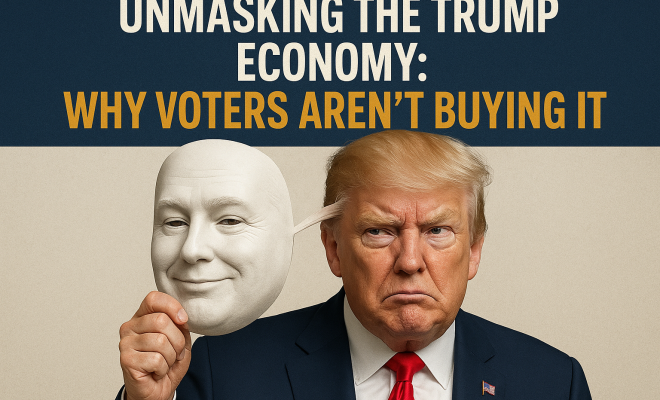
As the political calendar barrels towards the 2026 midterm elections, you’d expect any incumbent president to be shouting their economic victories from the rooftops. And indeed, President Trump has been doing just that, trying to paint a rosy picture of the nation’s financial health. But here’s the rub: a significant chunk of the American electorate just isn’t buying it. It seems there’s a disconnect between the White House’s economic narrative and the lived realities of millions of everyday citizens, especially when it comes to the nagging issue of high prices and general affordability. This isn’t just a hunch; the data from recent surveys paints a pretty clear, and for the administration, somewhat troubling, picture of public sentiment regarding the Trump economy.
It’s a dynamic that’s generating serious ripples across the political landscape. With economic well-being being a universal concern, and President Trump’s performance always a hot-button topic, this clash between official rhetoric and public perception is setting the stage for some truly high-stakes electoral battles. Democrats, naturally, are seeing this widespread economic frustration as a golden opportunity to chip away at Republican majorities in Congress. So, what exactly is going on? Why are voters feeling so sour on the economy, despite what they’re being told, and what does this mean for the future of the Trump economy and the upcoming elections?
1. The Price Tag Problem: Inflation’s Stubborn Grip
Let’s be honest, you feel it every time you go to the grocery store, fill up your gas tank, or pay your utility bill. Prices have been stubbornly high, and for many families, that’s not just an inconvenience; it’s a genuine struggle. A Pew Research Center survey from early July 2026 laid bare this reality: most voters are prioritizing economic issues above all else, and at the very top of that list are prices and affordability. This isn’t abstract economic theory; it’s about whether you can afford to put food on the table, keep the lights on, and save a little for a rainy day.
This persistent inflation is eroding purchasing power, making every dollar stretch less than it used to. While the administration might point to strong employment numbers or GDP growth, those statistics often feel distant when your personal budget is being squeezed tighter and tighter. For the average person, the ‘Trump economy’ isn’t defined by abstract metrics, but by the concrete cost of living, and right now, that cost feels prohibitive to far too many.
2. Widespread Economic Pessimism: A Hard Reality Check
The numbers don’t lie, and they’re not looking great for the current economic narrative. That same Pew survey revealed that only a meager 24% of Americans rate current economic conditions as ‘excellent’ or ‘good.’ Think about that for a moment: three-quarters of the country doesn’t feel good about the economy. That’s a significant majority expressing dissatisfaction, a clear indicator that the perceived economic prosperity isn’t reaching everyone, or perhaps isn’t being felt as deeply as official reports might suggest.
This widespread pessimism isn’t just about current conditions; it also speaks to a lack of confidence in the future. When people feel uncertain about their financial footing, they tend to pull back on spending, saving more, and generally becoming more cautious. This sentiment can, in turn, slow down economic activity, creating a feedback loop where pessimism itself becomes a drag on growth. The challenge for the Trump administration is to bridge this gap between their positive assessments and the palpable anxiety felt by a large segment of the population.
3. Shifting Blame: Trump’s Policies Under Fire
Perhaps the most striking finding from the recent data is the dramatic shift in how Americans view the impact of President Trump’s economic policies. Six-in-ten Americans now believe that the Trump economy, specifically his policies, have actually worsened economic conditions. This is a significant jump from the previous fall, indicating a growing conviction among the public that the current administration’s approach isn’t working, or worse, is actively detrimental.
This isn’t just about vague dissatisfaction; it’s a direct attribution of blame. Voters are connecting the dots between policy decisions and their personal financial struggles. Whether it’s trade tariffs, spending initiatives, or regulatory changes, a substantial majority now sees these actions as contributing to, rather than alleviating, their economic woes. This makes the job of selling a positive economic message incredibly difficult, as the public is increasingly skeptical of the source.
4. The Midterm Opportunity: Democrats Pounce on Discontent
For Democrats, this widespread economic frustration is nothing short of a political lifeline. Heading into the 2026 midterms, they have a clear path to challenge Republican majorities in Congress by tapping into this public discontent. The strategy is straightforward: highlight the rising cost of living, the struggles of working families, and the perception that the Trump economy isn’t delivering for ordinary Americans. It’s a classic playbook – when voters are hurting, the opposition has an opening.
You’ll likely see Democratic candidates focusing heavily on kitchen-table issues, proposing solutions for inflation, healthcare costs, and stagnant wages. They’ll contrast their proposed policies with those of the current administration, arguing that a change in leadership is necessary to bring real economic relief. This isn’t just about policy debates; it’s about empathy and demonstrating an understanding of the challenges voters face daily, something they feel isn’t happening from the current occupant of the White House. (See: CDC on inflation statistics.)
5. Beyond the Headlines: The Nuance of Economic Perception
It’s easy to look at broad statistics and draw sweeping conclusions, but the reality of economic perception is always more nuanced. While overall sentiment might be negative, different demographic groups and regions experience the Trump economy in varied ways. For instance, some industries or sectors might be thriving, leading those involved to have a more positive outlook. Conversely, areas heavily impacted by job losses or industry downturns will naturally harbor deeper pessimism.
Furthermore, individual financial situations play a huge role. Someone with significant savings or a high-paying job might feel relatively insulated from inflation, while someone living paycheck to paycheck will feel its sting acutely. Political affiliation also heavily influences how people perceive economic conditions, often leading to partisan divides in survey responses. Understanding these underlying factors is crucial for grasping the full complexity of why voters are feeling the way they are.
6. The Historical Context: Economic Cycles and Political Fortunes
This isn’t the first time an administration has faced an uphill battle selling its economic narrative. History is replete with examples of economic conditions dictating political fortunes. Think back to the ‘It’s the economy, stupid’ mantra that helped propel Bill Clinton to the presidency in 1992, or the widespread discontent during the Jimmy Carter years. When people feel secure in their finances, they’re often more open to supporting the status quo. When they’re struggling, they’re much more likely to seek change. This builds on housing market concerns.
Every president inherits an economic landscape and then attempts to shape it with their policies. The Trump economy is no different. The current administration has to contend not only with the immediate effects of its own decisions but also with lingering trends, global economic forces, and consumer confidence levels that can be slow to shift. It’s a complex dance, and right now, the rhythm seems to be out of sync with a large segment of the electorate.
7. The Monetization Angle: Capitalizing on Economic Uncertainty
For content creators and businesses, this period of economic uncertainty and political contention around the Trump economy presents significant monetization opportunities. When people are worried about their finances, they seek information, advice, and solutions. This translates into high demand for content related to personal finance strategies, especially those designed to combat inflation. Think articles and guides on budgeting, saving tips, and smart spending choices in a high-cost environment.
Beyond personal finance, there’s a strong interest in investment advice during politically uncertain times. People want to know how to protect their assets, where to invest, and what to expect from market fluctuations influenced by election outcomes and policy shifts. Mortgage and refinance options are also evergreen topics, but they become even more critical amidst changing interest rates and housing market volatility. Finally, comparisons of healthcare and other insurance plans, which are often directly influenced by political platforms, see increased engagement as consumers look for ways to manage rising costs and secure their well-being.
8. Looking Ahead: Can the Narrative Be Shifted?
The big question, of course, is whether President Trump and his administration can successfully shift this negative economic narrative before the 2026 midterms. It’s a formidable challenge, especially with such deeply entrenched public sentiment regarding prices and affordability. Simply repeating positive statistics is unlikely to sway voters who feel the pinch in their wallets every single day.
To turn the tide, the administration would likely need to demonstrate concrete, tangible improvements in the cost of living for average Americans. This could involve policy initiatives aimed directly at reducing inflation, or at least mitigating its effects on household budgets. Failing that, they’ll have to find a way to connect their broader economic arguments to the everyday struggles of voters, making the case that their policies, while perhaps not immediately felt, are laying the groundwork for future prosperity. It’s a tough sell, and the clock is ticking.
9. The Role of Global Factors: Beyond Domestic Control
It’s easy to point fingers at domestic policy, but let’s be real: no economy exists in a vacuum. The Trump economy, like any other, is heavily influenced by a swirling vortex of global factors that are often well beyond the control of any single administration. Think about the supply chain disruptions that started during the pandemic and have stubbornly persisted, making everything from microchips to lumber harder to get and more expensive. These aren’t uniquely American problems; they’re global headaches that trickle down to your local store shelves.
Then there are geopolitical events. Conflicts in key energy-producing regions, trade disputes with major economic powers, or even widespread climate events can all send shockwaves through international markets, driving up commodity prices or disrupting essential trade routes. A president can try to mitigate these effects, but they can’t simply make them disappear. Voters often attribute all economic woes to the person in charge, but a truly honest assessment of the Trump economy needs to acknowledge the powerful headwinds coming from overseas.
10. Wage Growth vs. Inflation: A Zero-Sum Game for Many
The administration frequently highlights wage growth as a sign of economic strength, and it’s true that many sectors have seen nominal increases in pay. However, for a significant portion of the workforce, these gains are being completely eaten up by inflation. If your paycheck goes up by 3% but the cost of your groceries, rent, and gas goes up by 5%, you’re effectively losing ground. That’s not just frustrating; it’s a direct hit to your quality of life. (See: BBC analysis on economic sentiment.)
This dynamic creates a feeling of working harder just to stay in the same place, or even falling behind. When people talk about the “Trump economy” not working for them, it’s often this specific feeling they’re referring to. They might have a job, and perhaps even a slightly higher wage, but their purchasing power is shrinking. This “inflation tax” disproportionately affects lower and middle-income families, who spend a larger percentage of their income on necessities, making them more sensitive to price hikes.
11. The Housing Market Squeeze: A Major Affordability Hurdle
Beyond everyday goods, the housing market presents another massive affordability challenge that weighs heavily on public sentiment about the Trump economy. Both home prices and rental costs have seen significant increases in many parts of the country. For first-time homebuyers, the dream of homeownership feels increasingly out of reach. High interest rates, coupled with elevated home prices, mean astronomical monthly mortgage payments that simply aren’t feasible for average incomes.
Renters aren’t faring much better. Landlords are passing on their own increased costs, or simply capitalizing on high demand, leading to steep rent hikes. This housing squeeze forces difficult choices: either spend an unsustainable portion of your income on shelter or move further away from work and community, adding to transportation costs and reducing quality of life. This isn’t just an economic issue; it’s a social one, impacting family formation, community stability, and overall well-being. Any assessment of the Trump economy has to grapple with the pervasive anxiety surrounding housing.
12. Small Business Sentiment: The Backbone of the Economy
While large corporations often get the headlines, small businesses are the true engine of the American economy, creating the vast majority of jobs. Their sentiment about the economic environment is a critical indicator. Right now, many small business owners are caught in a difficult bind. They’re facing higher costs for raw materials, labor, and energy, but they’re often hesitant to pass all of those costs onto consumers for fear of losing customers. This squeezes their profit margins and makes it harder to invest, expand, or even retain staff.
Surveys of small business owners often show concerns about inflation, labor shortages, and regulatory burdens. When these businesses struggle, it has a ripple effect: fewer new jobs, less local investment, and a general dampening of economic dynamism. The health of the Trump economy, therefore, can’t be truly understood without listening to the voices of these entrepreneurs and understanding the specific challenges they’re navigating.
13. The Investment Landscape: A Tale of Two Markets
For those with significant investments, the stock market might paint a different picture of the Trump economy. Strong corporate earnings, driven by various factors, can push market indices higher, making investors feel wealthier. However, this often creates a disconnect with the experiences of those whose primary wealth is tied to their income and home equity, not a diversified stock portfolio.
The “wealth effect” from a booming stock market can lead to increased consumer spending by those who benefit, but it also highlights growing wealth inequality. If the market is soaring but wages are stagnant for many, it reinforces the perception that the economic benefits aren’t broadly shared. This divergence between Main Street and Wall Street is a persistent challenge for any administration trying to sell a unified economic message, and it’s particularly acute when discussing the Trump economy.
14. Political Polarization and Economic Data: Seeing What You Want to See
It’s crucial to acknowledge how deeply political polarization influences how people perceive economic data. Supporters of the current administration are often more inclined to interpret positive economic indicators optimistically and downplay negative ones. Conversely, those in opposition will emphasize the struggles and attribute blame more readily. This isn’t necessarily deliberate dishonesty; it’s a natural human tendency to filter information through existing beliefs and loyalties.
This partisan lens makes it incredibly difficult for any president to achieve a consensus on economic performance. Even objective statistics, like GDP growth or inflation rates, can be framed and interpreted in vastly different ways depending on one’s political leanings. This phenomenon complicates the public discourse around the Trump economy, making it harder to have a fact-based conversation and creating echo chambers where differing economic realities are reinforced.
Frequently Asked Questions About the Trump Economy
Q1: What exactly is meant by “the Trump economy”?
A: When people talk about “the Trump economy,” they’re generally referring to the economic conditions and trends that occurred or are occurring during his time in office, and the impact of the specific economic policies implemented by his administration. This includes things like tax cuts, trade policies (tariffs), deregulation efforts, and spending initiatives. It’s a shorthand for evaluating the overall economic health under his leadership. (See: NY Times on inflation and public perception.)
Q2: What were the key economic policies of the Trump administration?
A: The primary economic policies of the Trump administration included the Tax Cuts and Jobs Act of 2017, which significantly lowered corporate and individual income tax rates; a focus on trade protectionism, including imposing tariffs on goods from China and other countries; and efforts to reduce government regulations across various sectors. The administration also pursued energy independence and aimed to bring manufacturing jobs back to the U.S.
Q3: What were the main positive economic indicators cited by the Trump administration?
A: The Trump administration frequently highlighted strong employment numbers, including historically low unemployment rates for various demographic groups, and robust GDP growth prior to the pandemic. They also pointed to a rising stock market and increased consumer confidence as evidence of a thriving economy. The idea was that tax cuts and deregulation spurred business investment and job creation.
Q4: Why do many Americans feel negative about the Trump economy despite some positive statistics?
A: The disconnect often stems from the impact of inflation and affordability issues. While official statistics might show strong employment or GDP growth, many everyday Americans are experiencing a decline in their purchasing power due to persistently high prices for necessities like groceries, gas, and housing. Wage growth, for many, hasn’t kept pace with these rising costs, leading to a feeling of financial struggle, regardless of broader economic metrics.
Q5: How does inflation impact the perception of the Trump economy?
A: Inflation directly impacts the cost of living, making everything more expensive. Even if wages go up, if prices rise faster, people feel poorer. This “inflation tax” erodes savings and makes it harder for families to budget. For the average person, high inflation makes the economy feel bad, regardless of other positive indicators, because it directly affects their wallet and daily life. This is a major reason for the current widespread economic pessimism.
Q6: What role do global factors play in the current economic sentiment regarding the Trump economy?
A: Global factors play a significant role. Supply chain disruptions, geopolitical conflicts (like wars affecting energy prices), and international trade dynamics can all impact domestic prices and economic stability. While an administration can implement policies to mitigate these effects, they can’t control global events. Public perception often attributes all economic outcomes to the president, but global forces are powerful influences on inflation and growth.
Q7: How do Democrats plan to capitalize on economic discontent in the upcoming midterms?
A: Democrats are likely to focus on “kitchen-table issues” – the rising cost of living, healthcare expenses, and stagnant wages. They will contrast their proposed solutions for these problems with the current administration’s policies, arguing that a change in leadership is necessary to bring real economic relief to working families. They’ll aim to demonstrate empathy for the financial struggles many voters are facing.
Q8: Can the Trump administration realistically shift the negative economic narrative before the 2026 midterms?
A: Shifting a deeply entrenched negative economic narrative is a significant challenge. The administration would likely need to demonstrate tangible improvements in the cost of living for average Americans, perhaps through specific policy initiatives aimed at reducing inflation or increasing real wages. Simply repeating positive statistics may not be enough to sway voters who are feeling a direct pinch in their wallets. Time is also a critical factor, as midterms are fast approaching. We covered the real issue with education in more detail.
Trending Now
- our breakdown of congress’s bold move to close a $200 billion bitcoin loophole
- this guide on bitmart’s sudden end: 9 dire lessons for your crypto holdings
- this guide on unmasking the shadow war: iranian cyber actors’ escalating threat to us infrastructure
Frequently Asked Questions
Why are voters dissatisfied with the Trump economy?
Voters are dissatisfied with the Trump economy due to the persistent issue of high prices and affordability. Despite the administration's positive narrative, many Americans feel the economic reality does not match the rhetoric, leading to widespread frustration as inflation continues to impact their daily lives.
How is inflation affecting American families?
Inflation is affecting American families by making essential goods and services more expensive, leading to financial strain. Many families struggle to afford basic necessities, which has become a top concern for voters, overshadowing any positive economic claims made by the Trump administration.
What do recent surveys say about public sentiment on the economy?
Recent surveys indicate that a significant portion of the electorate prioritizes economic issues, particularly prices and affordability. This disconnect between the administration's portrayal of economic success and the public's lived experiences suggests a troubling perception of the Trump economy as the 2026 midterms approach.
What impact does economic frustration have on the upcoming elections?
Economic frustration is likely to have a significant impact on the upcoming elections, as Democrats aim to leverage voter discontent to challenge Republican majorities. The disconnect between economic rhetoric and reality may energize voters to seek change in Congress.
What are the main economic concerns for voters in 2026?
The main economic concerns for voters in 2026 revolve around high prices and affordability. Many Americans are feeling the pinch of inflation, making these issues the top priority in their electoral decisions, which could influence the outcome of the midterm elections.
2026 inflation analysis offers useful background here.
Have you experienced this yourself? We'd love to hear your story in the comments.