2026 Tech Trends: Foldables & AI Robots Reshaping Life
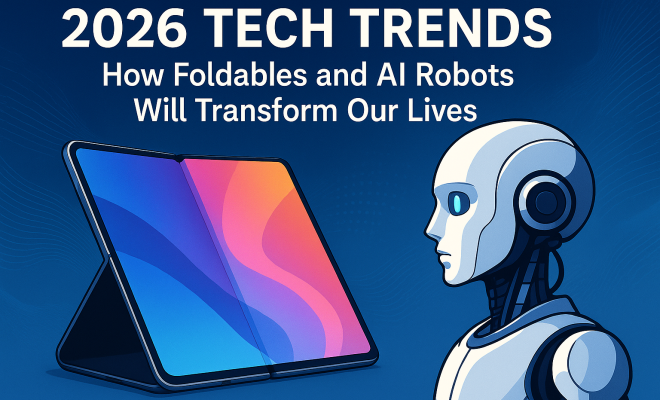
“`html
The technology landscape is evolving at a breakneck pace, and as we look toward 2026, certain trends are set to dominate our digital world. From innovative AI robots to advanced foldable displays, the upcoming years promise to reshape our interaction with technology in ways we can hardly imagine. The latest insights indicate significant shifts driven by these advancements, making it crucial for tech enthusiasts and everyday consumers alike to stay informed about the 2026 tech trends on the horizon.
1. AI Robots: The New Domestic Assistants
One of the most exciting 2026 tech trends is the rise of AI robots in the household. Companies like 1X are leading the charge, with pre-orders recently opening for their humanoid domestic assistant robot, the NEO. Designed to assist with daily tasks, these robots are equipped with advanced artificial intelligence capable of understanding and responding to human emotions and commands. Imagine a robot that not only cleans your home but can also carry on a conversation with you, adapting its behavior based on your mood.
This trend signifies a major shift from conventional household appliances to more interactive and intelligent systems. In fact, the NEO robot is designed to replicate human facial expressions, a feature that can foster a sense of companionship for users. The implications of this technology are vast, as it can change the way families manage their homes, especially for those with busy lifestyles or elderly family members who may need assistance.
Interestingly, this shift is not just about convenience. Studies suggest that having a humanoid robot can help improve mental health for some demographics, particularly among the elderly living alone. By providing companionship and even reminders for medication or appointments, these robots could significantly enhance quality of life. The potential market for such robots is projected to reach over $30 billion by 2026, according to industry forecasts.
Moreover, as these robots become more prevalent, the implications for the job market also merit consideration. While some jobs may be lost in fields such as home cleaning and caregiving, new roles will emerge in robot programming, maintenance, and supervision. This evolution may lead to the creation of a new class of jobs focused on managing and integrating these technologies into daily life, highlighting the need for adaptability in the workforce.
2. Foldable Displays: The Future of Smart Devices
Foldable technology is another major player in the anticipated 2026 tech trends. The evolution from traditional screens to dynamic foldable displays is set to redefine how we use mobile devices. With manufacturers increasingly investing in this technology, consumers can expect a wider range of foldable smartphones and tablets that combine portability with expansive screen real estate.
Imagine being able to unfold your device for an immersive viewing experience or fold it up to fit in your pocket without compromising on size. Brands are already experimenting with materials that enhance the durability and functionality of these foldable devices. As these innovations mature, we may very well see a shift in consumer preferences, with foldable devices becoming the norm rather than the exception.
Statistics show that the global foldable display market is projected to grow at a compound annual growth rate (CAGR) of 23% from 2021 to 2026. This growth is driven not only by consumer demand but also by advancements in display technology, such as improved flexible OLED screens that offer better resolution and color accuracy. As you consider your next purchase, these factors may tip the scales in favor of foldables, particularly as manufacturers focus on creating seamless user experiences.
Additionally, foldable displays open the door to innovative applications beyond just smartphones and tablets. For instance, they could revolutionize the way we experience digital advertising, allowing for larger, more engaging displays in public spaces. Imagine billboards that can change shape and size, adapting to the environment or the target audience, thus creating a more dynamic advertising landscape.
3. Memory Shortages: A Hidden Challenge
As we embrace these advancements, we face an unexpected hurdle: a global memory shortage. This shortage is largely attributed to the surge in AI data centers that are consuming vast amounts of components essential for everyday tech such as laptops and smartphones. Recent projections suggest that prices for DDR5 memory and laptops could spike by as much as 50%. This alarming trend underscores the unintended consequences of rapid technological progress. (See: AI robots in domestic settings.)
Consumers are left questioning how this shortage will affect their purchasing decisions and whether they should invest in technology now before prices soar. The irony lies in the fact that while AI is intended to enhance convenience and accessibility, it is simultaneously making technology more expensive and less accessible to the average consumer.
This shortage also highlights the importance of sustainable practices in tech manufacturing. Companies are being pushed to find alternatives and innovate in memory technology, such as developing more efficient chips that require less raw material. Additionally, as recycling technologies improve, we may see a trend towards using reclaimed materials in manufacturing, helping to alleviate some of the pressure from the global supply chain.
In response to these challenges, tech companies are investing heavily in research aimed at creating memory solutions that are both efficient and sustainable. Initiatives to develop next-generation memory technologies, including 3D NAND and innovative storage solutions, may provide a pathway out of the current crisis. As awareness grows, consumers might also become more inclined to support brands that prioritize sustainability in their production processes.
4. The AI Hype and Its Economic Impact
The rise of AI robots and advanced technologies has spurred a significant amount of hype, reminiscent of the Dot Com bubble of the late 1990s. As excitement around AI grows, so too does the concern that we may be heading towards an economic bubble that could burst, leaving consumers and businesses alike facing steep consequences. As we explore the 2026 tech trends, it’s essential to approach these developments with a critical eye.
The financial implications of this hype are already being felt. As companies rush to innovate and integrate AI into their offerings, the demand for crucial components rises, further exacerbating the memory shortage. This phenomenon raises questions about the sustainability of the rapid advancements we are witnessing and whether the market can support the influx of new technologies without significant repercussions.
Experts warn that while innovation is vital for economic growth, unchecked enthusiasm can lead to unrealistic valuations and market instability. A balanced approach that fosters innovation while maintaining sustainable growth is crucial. Startups and established firms alike must remain vigilant and grounded, ensuring they build products that genuinely meet consumer needs rather than just riding the wave of the latest trends.
Interestingly, some analysts suggest that the current tech landscape might benefit from regulatory oversight to prevent potential market disruptions. By establishing guidelines that promote responsible innovation, businesses can protect themselves and consumers while fostering an environment conducive to sustainable growth.
5. Emotional AI: The Next Frontier
One of the more fascinating aspects of the upcoming tech landscape is the emergence of emotional AI, particularly in the context of humanoid robots. These robots are designed not just to perform tasks but to engage with users on an emotional level. As the ability to recognize and respond to human emotions becomes more sophisticated, we can expect robots that can effectively communicate and even provide companionship.
This trend has the potential to revolutionize sectors such as elder care, mental health support, and customer service. Imagine a robot that can recognize when someone is feeling down and engage in conversation to lift their spirits. The implications for mental health and human interaction are profound, suggesting a future where technology plays a role in our emotional well-being.
Research indicates that emotional AI could significantly enhance therapeutic practices. For instance, clients who interact with robots designed to provide emotional support may feel more comfortable expressing their feelings, leading to better therapeutic outcomes. As these systems evolve, they may even incorporate machine learning algorithms to adapt their responses based on individual user interactions, creating highly personalized experiences.
Incorporating emotional AI into customer service roles could also redefine consumer interactions with brands. For example, customer service bots equipped with emotional intelligence could analyze the tone of a customer’s voice and adjust their responses accordingly, leading to more satisfying resolutions. This alignment of technology and human emotion could lead to higher customer loyalty and satisfaction rates. There’s a fuller look at game-changing tech trends.
6. The Role of Smart Glasses
Smart glasses are poised to make a significant impact on the 2026 tech trends. As augmented reality (AR) technology matures, smart glasses are becoming more refined and user-friendly. Companies are working on integrating features that allow for seamless interaction with digital content while maintaining a natural experience in the physical world. (See: impact of AI on daily life.)
Imagine having a pair of glasses that not only display directions but also overlay information about the environment you’re in. Whether it’s for navigation, gaming, or enhanced productivity, smart glasses could redefine how we interact with both technology and our surroundings. As AR applications expand, the demand for smart glasses will likely follow, leading to greater innovation in this space.
Market forecasts predict that the AR glasses market could surpass $40 billion by 2026, driven by increasing applications in sectors like retail, education, and healthcare. Retailers may utilize smart glasses to help customers visualize products in their home environments, while educators could enhance learning experiences through interactive visuals. The combination of AR and everyday tasks could significantly change how we perceive and interact with the world around us.
In addition, smart glasses could provide transformative benefits in fields like medicine. Surgeons could use AR to overlay critical information during procedures, enhancing precision and outcomes. Similarly, training programs for medical students could utilize smart glasses to create immersive educational experiences, bridging the gap between theory and practice.
7. Cybersecurity in the Age of AI
With the rise of AI technologies, cybersecurity becomes an increasingly critical concern. The more interconnected our devices become, the greater the risk of cyber threats. As we navigate the 2026 tech trends, businesses and individuals must prioritize security measures to protect sensitive information from increasingly sophisticated attacks.
AI itself is being used to bolster cybersecurity defenses, with machine learning algorithms identifying and responding to threats in real-time. However, the paradox is that as we enhance our security measures, malicious actors are also leveraging AI to execute more targeted and damaging attacks. The ongoing battle between cybersecurity and cyber threats will be a defining aspect of the technology landscape in the coming years. We covered AI in education in more detail.
Statistics reveal that cybercrime could cost businesses around $10.5 trillion annually by 2025, underscoring the urgency for robust cybersecurity frameworks. Organizations are now investing heavily in both preventative measures, like employee training and security audits, and reactive solutions, such as AI-driven incident response tools. The future of cybersecurity will likely involve multi-layered strategies that combine human expertise with advanced technologies for optimal protection.
As awareness grows, we can also expect a rise in cybersecurity professions. The demand for cybersecurity experts has surged, with a projected shortage of over 3.5 million professionals by 2025, according to industry reports. Educational institutions are responding by developing specialized programs to prepare the next generation of cybersecurity leaders, emphasizing the importance of staying ahead of evolving threats.
8. The Future of Work with AI Integration
Finally, as we look towards 2026, the integration of AI into the workplace will likely transform how we approach work. From automating routine tasks to providing data-driven insights, AI is set to enhance productivity and reshape job roles across various industries. This shift raises important questions about the future of employment and the skills necessary to thrive in an AI-enhanced workforce.
Companies may need to rethink training and development strategies to ensure employees are equipped to work alongside AI technologies. Moreover, as AI takes over repetitive tasks, there will be opportunities for workers to focus on more creative and strategic roles. The potential for job displacement exists, but so too does the opportunity to reimagine the workplace in an age where humans and machines collaborate.
Research indicates that nearly 85 million jobs may be displaced by 2025 due to AI and automation; however, approximately 97 million new roles may arise that require different skills. The emphasis on skill development and adaptability will be paramount, leading to an increased focus on lifelong learning and career agility. Employees who proactively seek to enhance their skill sets will likely find themselves at a competitive advantage in this evolving job market. (See: foldable technology advancements.)
Additionally, remote work trends accelerated by the pandemic have likely set a precedent that will persist in the future. As AI tools continue to evolve, they will facilitate seamless collaboration among remote teams, making it crucial for employees to be proficient not only in their primary job functions but also in using these new technologies effectively.
9. Frequently Asked Questions (FAQ)
What are the most significant tech trends to watch for in 2026?
Major trends include the rise of AI robots, foldable displays, emotional AI, and a focus on cybersecurity as threats evolve. These trends will significantly influence how we live and work.
How will AI robots impact everyday life?
AI robots are set to become more integrated into our daily routines, assisting with household tasks, providing companionship, and potentially enhancing mental well-being, particularly for the elderly or those living alone.
Are foldable devices worth investing in?
Foldable devices offer unique benefits such as portability and improved user experience. As technology matures and prices stabilize, they may become a standard choice for consumers looking for versatility in their devices.
What can consumers do about the memory shortage?
Consumers are advised to keep an eye on technology prices and consider investing in devices sooner rather than later. Staying informed about market trends can help mitigate the impact of rising costs.
How can businesses prepare for the AI-dominated landscape?
Businesses should prioritize skill development for employees, invest in AI technologies that can enhance productivity, and establish robust cybersecurity practices to safeguard against evolving threats.
As we navigate the implications of these 2026 tech trends, it’s clear that our relationship with technology is evolving. From the rise of AI robots to the challenges posed by memory shortages, the landscape is filled with both exciting possibilities and significant hurdles. As consumers, staying informed and adaptable will be key to thriving in this rapidly changing world.
“`
Trending Now
Frequently Asked Questions
What are the top tech trends for 2026?
The top tech trends for 2026 include the rise of AI robots as domestic assistants and advanced foldable displays. These innovations promise to enhance our interaction with technology, making it more intuitive and personalized.
How will AI robots change household tasks?
AI robots like the NEO are designed to assist with daily household tasks, such as cleaning and organizing. They can understand human emotions and commands, providing not just assistance but also companionship, especially for the elderly.
What benefits do AI robots provide for the elderly?
AI robots can significantly enhance the quality of life for the elderly by offering companionship, reminders for medications, and assisting with daily tasks. This can help improve mental health and reduce feelings of loneliness.
What features do new foldable displays offer?
While the article focuses primarily on AI robots, foldable displays are expected to offer enhanced portability and versatility, allowing users to enjoy larger screens in more compact forms, perfect for both personal and professional use.
What is the projected market size for AI robots by 2026?
The market for AI robots is projected to reach over $30 billion by 2026. This growth reflects increasing consumer interest in advanced home automation and the integration of intelligent systems into daily life.
What did we miss? Let us know in the comments and join the conversation.