Boost Dyslexic Students’ Fluency with Repeated Reading
“`html
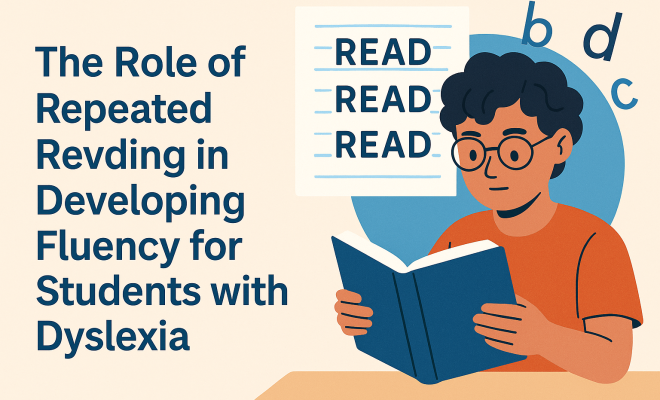
Dyslexia is a common learning disorder that affects the ability to read fluently. It’s often frustrating for students and their educators alike, as it can hinder academic progress and self-esteem. Traditional reading strategies may not suffice for those with dyslexia, leading to the exploration of alternative methods. One such method that has gained traction in educational settings is repeated reading. This approach involves students reading the same text multiple times, which has shown promise in enhancing reading fluency. But what exactly is the role of repeated reading in developing fluency for students with dyslexia? Let’s explore this vital topic.
Understanding Dyslexia: A Brief Overview
Dyslexia is often characterized by difficulties with accurate or fluent word recognition and by poor spelling and decoding abilities. According to the International Dyslexia Association, approximately 15% to 20% of the U.S. population exhibits symptoms of dyslexia, making it one of the most common learning disabilities.
While dyslexia affects individuals differently, common challenges include:
- Struggles with phonemic awareness
- Difficulties with decoding words
- Inconsistent reading fluency
- Challenges with spelling
- Difficulty understanding written text
These challenges can impede academic success and can lead to emotional issues such as frustration and anxiety. Hence, effective interventions are crucial.
The Importance of Reading Fluency
Reading fluency is the ability to read a text accurately, quickly, and with proper expression. It serves as a bridge between word recognition and comprehension; without fluency, students may struggle to understand the material they read. For those with dyslexia, improving reading fluency can lead to improved comprehension, retention, and overall enjoyment of reading.
Research indicates that fluency is a critical component of literacy development. The National Reading Panel emphasizes that fluency is essential for students to become proficient readers, which is particularly vital in a world where reading is a foundational skill across all subjects.
Introducing Repeated Reading
Repeated reading involves having students read the same passage multiple times until a certain level of fluency is achieved. This practice can occur in various formats, such as:
- Independent practice
- Partner reading
- Choral reading
- Reading with an audio version
The strategy allows students to develop familiarity with the text, which can significantly reduce cognitive load, allowing more energy to be focused on comprehension. Research conducted by Samuels (1979) highlights that repeated reading can lead to substantial gains in fluency, particularly for students with reading difficulties.
Effective Implementation of Repeated Reading
To maximize the benefits of repeated reading for students with dyslexia, educators should consider several key strategies:
- Text Selection: Choose texts that are appropriate for the student’s reading level yet challenging enough to promote growth. The text should also engage the student’s interests.
- Set Goals: Establish clear, measurable goals for the number of readings and the fluency level to be achieved. This could involve tracking words per minute or accuracy.
- Incorporate Timed Practices: Using a timer can encourage students to focus on improving their reading speed and can add an element of fun to the exercise.
- Provide Feedback: Immediate and constructive feedback helps students recognize their progress. Positive reinforcement can boost motivation.
By following these strategies, educators can create a structured environment that fosters improvement in reading fluency.
The Evidence Supporting Repeated Reading
Numerous studies have demonstrated the efficacy of repeated reading for students with dyslexia. For instance, a study published in the Journal of Learning Disabilities by Rashotte and Torgesen (1985) found significant improvements in reading fluency among dyslexic students who participated in repeated reading exercises compared to those who did not. The results indicated measurable increases in both speed and accuracy.
Moreover, another study by Chard et al. (2002) reported that students who engaged in repeated reading showed enhanced comprehension skills, suggesting a direct link between fluency and overall reading abilities. These findings underscore the importance of integrating repeated reading into literacy instruction for students with dyslexia. (See: Understanding Dyslexia from NIH.)
Real-World Applications in the Classroom
In practical terms, how can educators integrate repeated reading into their classrooms? Here are several actionable steps:
- Create a Reading Corner: Set up a designated area where students can practice repeated reading with various texts, including books, poems, and scripts.
- Incorporate Technology: Utilize audiobooks and reading applications that allow students to listen while reading along, making the repeated reading experience more engaging.
- Peer Collaboration: Encourage students to work in pairs or small groups. This peer interaction can create a supportive environment that fosters confidence.
- Diverse Text Types: Include a mix of fiction, nonfiction, poetry, and graphic novels to keep repeated reading fresh and exciting.
By integrating these real-world applications, educators can make repeated reading an enjoyable and effective part of the literacy curriculum.
Challenges and Considerations
While repeated reading has proven beneficial, it is not without its challenges. Some students may initially resist the idea of reading the same text multiple times, perceiving it as monotonous. To combat this:
- Vary Texts: Regularly rotate the materials to maintain student interest.
- Set a Time Limit: Allow students to focus on short passages to avoid boredom and fatigue.
- Encourage Choice: Let students select texts that interest them, promoting ownership of their learning.
Addressing these challenges can make the repeated reading process more appealing and effective.
The Role of Educators and Parents
Collaboration between educators and parents can significantly enhance the effectiveness of repeated reading. Teachers can train parents on how to support their children at home, making reading a part of daily routines. This might involve:
- Setting up regular reading times at home
- Encouraging family reading nights, where everyone reads together
- Providing parents with resources and training on how to implement repeated reading
When educators and parents work together, they create a supportive ecosystem that fosters literacy development for children with dyslexia.
Current Relevance and Future Directions
The conversation around dyslexia and literacy continues to evolve, particularly as educators and researchers discover more about effective teaching strategies. Repeated reading remains relevant in the field of education, especially as schools increasingly adopt evidence-based practices. Ongoing professional development for teachers can ensure that they are equipped with the latest research and strategies, including the implementation of repeated reading.
Furthermore, the rise of technology in education presents new opportunities for enhancing repeated reading. Online platforms and applications can offer personalized reading experiences, tracking progress and providing immediate feedback. As these tools continue to develop, they could further revolutionize how repeated reading is applied in classrooms.
Understanding the Neuroscience Behind Dyslexia
To better understand why repeated reading is effective, it’s important to consider the neurological underpinnings of dyslexia. Various studies have shown that individuals with dyslexia often have differences in brain structure and function, particularly in areas associated with language processing.
For instance, the left hemisphere of the brain, which is primarily responsible for language, may function differently in individuals with dyslexia. Studies using functional MRI (fMRI) have demonstrated that people with dyslexia often show less activation in the left temporoparietal region, which is crucial for phonological processing—the ability to manipulate sounds in words.
Repeated reading can help strengthen these neural pathways by providing consistent practice in decoding and recognizing words. Each time a student reads a passage, they are reinforcing the neural connections associated with that text, ultimately leading to improved fluency and comprehension.
Case Studies and Real-Life Examples
To illustrate the effectiveness of repeated reading, let’s look at a few real-life examples. In a controlled study involving a group of third-grade students diagnosed with dyslexia, educators implemented a repeated reading program over six weeks. The students were divided into two groups: one group engaged in repeated reading, while the other focused on traditional reading strategies.
At the end of the study, the group that practiced repeated reading demonstrated an increase in reading fluency by an average of 30 words per minute compared to only 10 words per minute in the traditional group. Additionally, comprehension scores improved significantly, indicating that repeated reading not only enhanced fluency but also helped with understanding the material.
Another example can be found in a middle school setting where teachers adopted repeated reading as part of their intervention program. Students were given the opportunity to read aloud to a peer or teacher, which provided them with immediate feedback and support. As a result, many students reported feeling more confident in their reading abilities, leading to improved attitudes toward literacy overall. (See: CDC on Reading and Child Development.)
Statistics on Dyslexia and Reading Fluency
Statistics reveal how widespread dyslexia is and underscore the necessity for effective interventions like repeated reading. According to the National Center for Learning Disabilities:
- Approximately 1 in 5 students in the U.S. has a language-based learning disability, including dyslexia.
- Only 2% of students with dyslexia receive the specialized instruction they need.
- Studies show that students with dyslexia who receive effective interventions improve their reading skills significantly compared to those who don’t.
These statistics highlight the urgent need for teachers and schools to implement evidence-based practices like repeated reading to help students achieve their full potential.
Frequently Asked Questions (FAQ)
1. What is the main goal of repeated reading for students with dyslexia?
The primary goal is to improve reading fluency, which in turn enhances comprehension and builds confidence in reading abilities.
2. How can I measure progress in repeated reading?
Progress can be measured by tracking words per minute, accuracy rates, and comprehension through discussions or quizzes after reading sessions.
3. How often should students practice repeated reading?
Students should engage in repeated reading several times a week, ideally daily, for maximum benefit, while ensuring that the practice remains enjoyable and not overwhelming.
4. Can repeated reading be used for older students or adults with dyslexia?
Absolutely! Repeated reading can be adapted for older students and adults. Selecting texts that are age-appropriate and relevant to their interests can help maintain engagement.
5. What types of texts work best for repeated reading?
Texts should be at the student’s reading level but not too easy. Engaging materials such as short stories, articles, and poems that pique their interest are ideal.
6. How can parents support repeated reading at home?
Parents can create a reading routine, help select engaging texts, and participate in reading together to make the experience enjoyable and supportive.
7. What if a student shows little progress with repeated reading?
If a student shows minimal improvement, it may be beneficial to reassess the text difficulty, goals set, or even incorporate additional strategies such as phonemic awareness exercises.
Combining Repeated Reading with Other Techniques
Repeated reading can be even more effective when combined with other instructional techniques. For instance, guided reading involves a teacher supporting students as they read, providing strategies for decoding difficult words and enhancing comprehension. This method can complement repeated reading by ensuring that students don’t just practice fluency but also understand the text they are reading.
Direct instruction in phonics is another method that pairs well with repeated reading. By teaching students the sounds associated with letters and letter combinations, they can improve their decoding skills, which, when practiced through repeated reading, can lead to faster fluency and comprehension.
Furthermore, integrating visual aids, like graphic organizers or illustrations, can also help students make connections with the text they are reading. Visual aids can act as a bridge between the words and the meaning, providing clarity that improves comprehension while they practice their reading skills.
Incorporating Repeated Reading into Home Learning
Parents can effectively incorporate repeated reading into their home routines. Here are some simple strategies:
- Daily Reading Time: Set aside a specific time each day dedicated to reading. This consistency helps students anticipate and prepare for the reading practice.
- Choosing Engaging Texts: Let students participate in selecting the texts they want to read, whether it’s their favorite books, comics, or articles. When they’re interested in the material, they’re more likely to engage.
- Model Reading: Parents can read aloud to their children, demonstrating fluency and expression. This can serve as a model for students to emulate in their own reading.
- Use of Technology: Interactive reading apps and online platforms can provide a new twist on repeated reading. Many of these resources offer engaging content and can help track progress effectively.
By taking these steps, parents can reinforce the benefits of repeated reading, ensuring that their children receive continued support at home.
Expert Perspectives on Repeated Reading
Experts in the field of literacy and special education often highlight the importance of repeated reading. Dr. Timothy Shanahan, a well-known literacy expert, notes that repeated reading is not just beneficial for students with dyslexia but for all struggling readers. He argues that the repetition allows students to practice and solidify their reading skills, which is crucial in building a strong literacy foundation.
Moreover, Dr. Marcia Henry, an expert in reading instruction, emphasizes that repeated reading helps reduce the anxiety often felt by struggling readers. The familiarity of the text can encourage students to take risks with their reading, ultimately leading to greater confidence. She advocates for incorporating repeated reading into routine lessons, highlighting its versatility and adaptability to different learning environments.
The Future of Repeated Reading in Literacy Instruction
As literacy instruction continues to evolve, the future of repeated reading looks promising. With advancements in educational technology, there are more resources available than ever before to support this method. Digital platforms that offer interactive reading experiences not only make repeated reading more engaging but can also provide instant feedback and progress tracking for both students and educators.
Research in neuroscience and literacy is also shedding more light on how reading fluency develops in the brain, which can inform future teaching practices. As more studies are conducted, it will be essential for educators to stay informed about effective strategies that can be integrated with repeated reading to enhance literacy instruction further.
In addition, ongoing professional development will be crucial to empower teachers with the skills necessary to implement repeated reading effectively. Through collaboration and sharing of best practices, educators can create an environment where all students, including those with dyslexia, can thrive.
Conclusion
The role of repeated reading in developing fluency for students with dyslexia cannot be overstated. By providing a structured and supportive approach to reading practice, educators can significantly enhance students’ fluency, comprehension, and overall confidence in their reading abilities. As research continues to affirm the effectiveness of repeated reading, it’s essential for educators and parents alike to embrace this strategy. Together, they can foster a more inclusive and supportive learning environment for students facing the challenges of dyslexia.
“`
Trending Now
- read the full story
- this guide on the relationship between object permanence and cognitive development in infants
- How ADHD Affects Executive Function and Emotional Regulation in High School
- The Role of Nonverbal Communication in Pragmatic Language Development
- our breakdown of how scaffolding supports english language learners in elementary school
Frequently Asked Questions
What is repeated reading and how does it help students with dyslexia?
Repeated reading is an instructional strategy where students read the same text multiple times. For students with dyslexia, this approach can improve reading fluency by enhancing word recognition and decoding skills, leading to better comprehension and increased confidence in their reading abilities.
How does dyslexia affect reading fluency?
Dyslexia can lead to difficulties with accurate word recognition, decoding, and consistent reading fluency. These challenges can hinder comprehension and retention, making it essential for educators to implement effective strategies, such as repeated reading, to support students in overcoming these obstacles.
What are the benefits of improving reading fluency for students with dyslexia?
Improving reading fluency for students with dyslexia can enhance their comprehension, retention of information, and overall enjoyment of reading. Increased fluency helps bridge the gap between word recognition and understanding, which is crucial for academic success.
Why is reading fluency important in literacy development?
Reading fluency is vital because it enables students to read accurately and quickly, which is essential for understanding the material. It acts as a bridge between decoding words and comprehending text, making it a key component of literacy development, particularly for those with dyslexia.
What challenges do students with dyslexia face in reading?
Students with dyslexia often struggle with phonemic awareness, decoding words, inconsistent reading fluency, spelling difficulties, and understanding written text. These challenges can impede academic progress and lead to emotional issues like frustration and anxiety, highlighting the need for effective interventions.
Have you experienced this yourself? We’d love to hear your story in the comments.