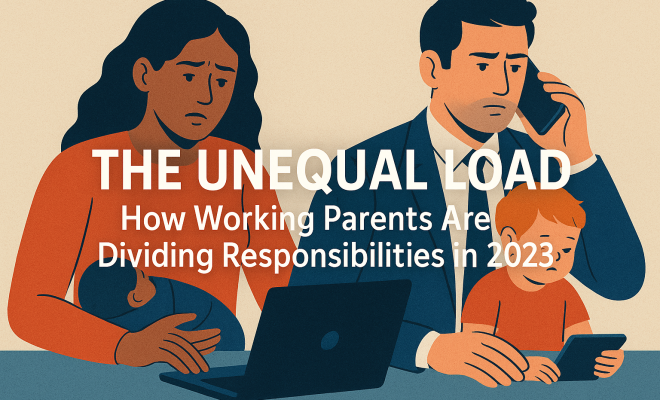
The Unequal Load: How Working Parents Are Dividing Responsibilities in 2023
“`html
The debate over working parents’ responsibilities is ongoing, with a recent Pew Research Center report shedding light on the persistent inequalities faced by married or cohabiting couples where both partners work full-time. While many might believe that advancements in gender equality have led to a more equitable distribution of family duties, the reality tells a different story. The report underscores a significant trend: mothers still shoulder more of the day-to-day parenting tasks, challenging the notion that modern households have achieved balance in responsibilities.
1. The Statistics: A Snapshot of Family Dynamics
The Pew Research Center’s findings reveal a striking divide in how family responsibilities are perceived and executed. In households with two working parents, 52% of respondents say mothers are responsible for more parenting tasks. Conversely, only 10% reported fathers taking on a larger share, while 39% believe duties are divided equally. This data reflects a persistent stereotype in family roles, suggesting that despite both parents working full-time, traditional views on gender roles continue to influence responsibilities.
Furthermore, household chores exhibit a similar pattern. According to the survey, 43% of couples indicated that mothers handle more chores than fathers. Even in situations where mothers log more hours at work than fathers, the expectations for domestic responsibilities appear disproportionately skewed. This disparity raises questions about the progress made towards gender equality in domestic settings.
2. Parenting Responsibilities: Who Takes the Lead?
One of the most telling statistics from the report is the response to unexpected disruptions like a sick child or childcare emergencies. Nearly half (48%) of respondents believe that mothers are more likely to take time off work under such circumstances, compared to just 22% who feel fathers would be more inclined to do so. This expectation places an additional burden on mothers—one that can affect their career trajectories and overall well-being.
This trend can lead to deeper implications for both parents. While mothers often feel compelled to prioritize their children’s needs, fathers may inadvertently perpetuate a cycle where they are less involved in parenting due to societal expectations. The mental load of managing a family often rests heavily on mothers, creating stress that can impact their professional lives.
3. The Mental Load: What It Means for Working Parents
The concept of the “mental load”—the invisible, emotional labor involved in managing family responsibilities—is crucial in understanding the dynamics within working parents’ responsibilities. While fathers may partake in visible tasks, mothers frequently manage the planning and organization of family life. This includes scheduling doctor’s appointments, remembering school events, and coordinating childcare. As a result, even in households where chores are evenly split, the mental strain on mothers can be overwhelming.
Experts in family dynamics suggest that addressing the mental load begins with open communication between partners. By discussing expectations and responsibilities candidly, couples can work towards a more balanced approach to family management. Yet, this requires both partners to be willing to reassess traditional roles and actively participate in all aspects of family life.
4. Changing Dynamics: The Rise of Stay-at-Home Dads
While the statistics may paint a stark picture, it’s essential to acknowledge that family dynamics are evolving. The increasing presence of stay-at-home dads and shifting gender roles illustrate a gradual change in how parenting responsibilities are viewed. According to the U.S. Census Bureau, the number of stay-at-home dads has risen in recent years, indicating a growing acceptance of fathers taking on primary caregiving roles.
Despite this shift, the research suggests that societal expectations still hold sway. Many fathers who choose to stay home often feel pressure to prove their competence in this role, while mothers who work face their own set of challenges. The stigma surrounding non-traditional parenting roles can complicate these shifts, highlighting the need for broader societal change to support families embracing various dynamics.
5. The Impact of COVID-19 on Parental Responsibilities
The COVID-19 pandemic has dramatically altered family structures and the division of responsibilities. With remote work becoming more prevalent, parents found themselves juggling work and childcare in unprecedented ways. Studies indicate that during the pandemic, mothers took on even more household duties, leading to an increased sense of burnout.
Data from the Pew Research Center shows that mothers reported higher levels of stress and anxiety related to their roles in the home, especially when compared to fathers. As schools closed and childcare options dwindled, mothers often faced the brunt of managing both work and family life, exacerbating existing disparities. This period has highlighted the urgency for reassessing how responsibilities are shared among working parents.
6. Strategies for Achieving Balance
Given the stark realities illuminated by the Pew Research report, working parents must explore strategies to achieve a more equitable division of responsibilities. Here are several actionable steps for navigating this challenging terrain:
- Open Communication: Schedule regular discussions about household responsibilities to ensure both partners feel heard and valued.
- Set Clear Expectations: Define who is responsible for what tasks, whether it’s grocery shopping, laundry, or school-related activities.
- Reassess Roles: Periodically review and adjust roles based on work schedules and family needs.
- Share the Mental Load: Use tools like shared calendars or apps to track appointments and responsibilities, ensuring transparency in planning.
- Encourage Equal Participation: Actively invite partners to engage in both visible chores and the planning aspects of family life.
7. Community Support: The Role of Playgroups and Schools
Community structures, such as playgroups and schools, play a vital role in supporting working parents. These organizations can help alleviate some of the burdens faced by families by providing resources, networking opportunities, and shared experiences. Parents can benefit greatly from connecting with others facing similar challenges, which can lead to a more manageable division of responsibilities.
Moreover, schools can play a pivotal role in facilitating parent involvement. By offering flexible volunteering opportunities and understanding the challenges working parents face, schools can create an environment where both mothers and fathers feel empowered to contribute. It’s not just about getting parents involved; it’s about fostering a culture that values each parent’s contributions and recognizes the diversity of family roles.
8. Policy Changes: Supporting Working Families
Achieving equity in working parents’ responsibilities also requires systemic changes at the policy level. Advocates for working parents argue for policies supporting family leave, flexible work arrangements, and accessible childcare options. By addressing the structural barriers that impede equitable sharing of responsibilities, society can improve the lives of working families.
For instance, paid family leave policies can alleviate some of the pressure on mothers, allowing both parents to take time off without jeopardizing their careers. Additionally, affordable childcare options can enable both parents to pursue their careers while ensuring their children are cared for—leading to a more balanced distribution of responsibilities.
9. The Future of Parenting: Toward Greater Equality
As the landscape of family dynamics continues to shift, the conversation surrounding working parents’ responsibilities must evolve as well. While the Pew Research findings highlight persistent inequalities, they also provide a foundation for understanding the changes needed to foster a more equitable environment for families.
By prioritizing open communication, reevaluating traditional roles, and advocating for systemic support, working parents can work together to create a family structure that benefits everyone involved. The path to balance is challenging, but with effort and understanding, a more equitable division of responsibilities can be achieved, paving the way for future generations to thrive.
10. Innovative Solutions for Work-Life Integration
As the dynamics of family responsibilities evolve, so too do the solutions that can facilitate a better work-life balance for parents. Companies and organizations are beginning to recognize the importance of supporting working parents, leading to innovative practices that can ease the burden. Here are some noteworthy examples:
- Flexible Work Hours: Companies like Google and Microsoft allow flexible work schedules that enable parents to adjust their working hours around family needs, such as school drop-offs and pick-ups. This flexibility not only helps parents manage their responsibilities but also increases overall job satisfaction and productivity.
- On-Site Childcare Services: Organizations like Patagonia and Starbucks have implemented on-site childcare facilities to alleviate the stress of finding childcare while at work. By providing this service, employees can focus on their jobs knowing their children are nearby and cared for.
- Parental Leave for Both Parents: Firms that offer comprehensive parental leave for both mothers and fathers not only support gender equality but also encourage shared parenting responsibilities from the outset. Research shows that when fathers take leave, they are more likely to be involved in their children’s care long-term.
- Remote Work Opportunities: The pandemic has accelerated the acceptance of remote work. Companies like Twitter have embraced long-term remote working options, allowing parents to tailor their work environment to best suit their family dynamics.
11. Expert Perspectives: Voices from the Field
To further understand the nuances of working parents’ responsibilities, we spoke with several experts in the field of family dynamics and work-life balance:
Dr. Jennifer Smith, Family Sociologist: “The perception of gender roles is deeply embedded in our culture. Even as more fathers actively participate in childcare, the underlying expectation that mothers should carry the majority of the load remains. Addressing this requires not just individual efforts but systemic changes in societal attitudes towards parenting.”
Michael Johnson, Work-Life Balance Consultant: “Employers play a pivotal role in shaping how parents navigate their responsibilities. By fostering an inclusive culture that values flexibility and supports family needs, organizations can not only enhance employee satisfaction but also improve retention rates.”
Dr. Emily Tran, Child Development Expert: “Children benefit tremendously from both parents being engaged in their lives. When fathers take an active role, it not only strengthens the father-child bond but also supports mothers in their roles, creating a more balanced family dynamic.”
12. Creating a Supportive Home Environment
In addition to community and policy changes, the home environment plays a critical role in how responsibilities are shared. Here are some effective strategies to foster a supportive atmosphere:
- Family Meetings: Regular family meetings can help everyone stay on the same page regarding schedules, responsibilities, and any upcoming events. This practice encourages teamwork and ensures everyone’s voice is heard.
- Shared Goals: Setting family goals can promote unity and shared responsibility. Whether it’s planning a vacation or managing household tasks, working towards common objectives can strengthen family bonds.
- Involve Children: Depending on their age, involving children in age-appropriate tasks can help them learn responsibility while also relieving some of the burdens on parents. Teaching kids to contribute to household chores fosters a sense of teamwork and prepares them for future responsibilities.
13. Frequently Asked Questions (FAQ)
Here are some common questions about working parents’ responsibilities and their answers:
What are the most common challenges faced by working parents?
Working parents often juggle multiple responsibilities, including managing work deadlines, caring for children, and handling household chores. Common challenges include time management, stress, and the pressure to maintain a work-life balance.
How can couples ensure a fair division of labor at home?
Open communication is key to ensuring that both partners feel valued and understood. Couples should regularly discuss their workloads, revisit expectations, and be willing to adjust roles as necessary. Utilizing shared calendars for scheduling can also help maintain transparency.
What role does workplace culture play in supporting working parents?
A supportive workplace culture can significantly impact a parent’s ability to balance work and home responsibilities. Companies that offer flexible hours, parental leave, and childcare support create an environment where parents can thrive both personally and professionally.
Are there any resources available for working parents?
Yes, many organizations offer resources for working parents, including online support groups, workshops on work-life balance, and access to childcare services. Local community centers and schools often provide valuable information on parenting workshops and family events.
How can fathers become more involved in parenting responsibilities?
Fathers can become more involved by taking an active role in day-to-day tasks and making a conscious effort to engage with their children. Setting aside dedicated time for family activities and being proactive in household responsibilities can help shift the dynamics towards a more equitable sharing of parenting duties.
What can society do to support working parents better?
Society can advocate for policies that promote family-friendly workplace practices, affordable childcare options, and parental leave for both mothers and fathers. Fostering a cultural shift that values shared parenting equally will also contribute to better support for working families.
By recognizing the challenges faced by working parents and taking actionable steps towards equity, we can create a more supportive environment for families navigating the complexities of modern life.
“`
Trending Now
Frequently Asked Questions
What are the current trends in parenting responsibilities for working parents?
In 2023, a Pew Research Center report indicates that mothers continue to handle a larger share of parenting tasks, with 52% of respondents noting this trend. Despite both parents working full-time, traditional gender roles still heavily influence the division of responsibilities, leading to significant inequalities.
How do household chores get divided among working parents?
The report shows that 43% of couples believe mothers take on more chores than fathers. This imbalance persists even when mothers work longer hours, highlighting ongoing disparities in the distribution of household responsibilities between genders.
Are mothers more likely to take time off work for childcare emergencies?
Yes, nearly 48% of respondents in the survey believe that mothers are more likely to take time off work when unexpected childcare issues arise, compared to only 22% who feel fathers would do the same. This reflects societal expectations regarding parental roles.
What does the Pew Research Center say about gender equality in family roles?
The Pew Research Center's findings reveal that despite advancements in gender equality, traditional views still dominate family dynamics. Many working parents still adhere to conventional roles, with mothers disproportionately handling both parenting and household responsibilities.
How do perceptions of parenting responsibilities vary between mothers and fathers?
The report highlights a significant perception gap, with 52% of respondents believing mothers are more responsible for parenting tasks, while only 10% see fathers as taking a larger share. This indicates a persistent stereotype affecting family roles in modern households.
Have you experienced this yourself? We’d love to hear your story in the comments.