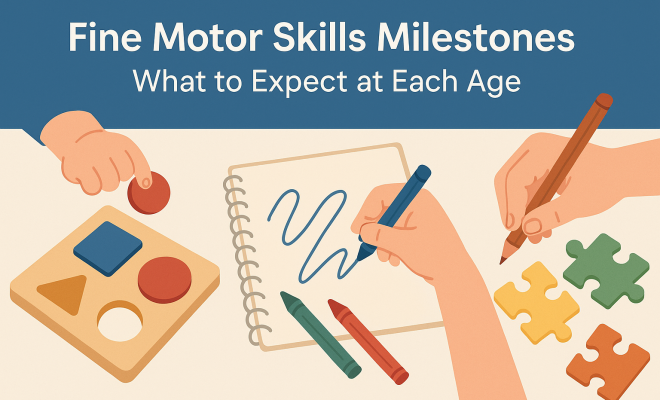
Fine Motor Skills Milestones: What to Expect at Each Age
“`html
When we think of child development, we often focus on cognitive skills or language acquisition. Yet, the realm of fine motor skills milestones plays a pivotal role in a child’s growth. Understanding these milestones can provide insight into a child’s development and help parents support their children effectively. In this article, we’ll break down the key fine motor skills milestones to expect at various ages, explore their importance, and offer practical tips for fostering these skills.
What Are Fine Motor Skills?
Fine motor skills refer to the ability to use small muscles in our hands and fingers to perform precise movements. This involves tasks that require coordination and dexterity, such as writing, buttoning clothes, or manipulating small objects. These skills are crucial not only for self-care tasks but also for academic success and later professional skills.
Fine motor skills are developed gradually, with each milestone building on the previous one. They are often categorized into two primary areas: gross motor skills (larger movements using arms and legs) and fine motor skills. Understanding the trajectory of these skills can help parents recognize typical development patterns.
Fine Motor Skills Milestones by Age
Here’s a breakdown of what to expect at each stage of your child’s development regarding fine motor skills:
0-6 Months
In the first half year of life, infants start to explore their environment using their hands. During this stage, you can expect the following milestones:
- Grasp reflex: Newborns have a grasp reflex, meaning they will automatically curl their fingers around an object placed in their palms.
- Hand-to-mouth coordination: By around 4 months, babies begin to bring their hands to their mouths, a crucial step in developing hand-eye coordination.
- Reaching: Infants typically start reaching for toys around 4-6 months, displaying their growing interest in the world around them.
These early movements are foundational, setting the stage for more complex skills as they grow.
6-12 Months
As infants approach their first birthday, their fine motor skills become increasingly refined:
- Pincer grasp: By 9 months, many babies can use a pincer grasp, picking up small objects between their thumb and index finger. This is a significant milestone, allowing them to explore their environment actively.
- Transferring objects: Babies will often transfer objects from one hand to the other, enhancing their grip strength and coordination.
- Pointing: Around 10 months, infants may begin pointing to objects of interest, which further connects fine motor skills to communication.
This stage is crucial for developing autonomy and curiosity, as babies learn to interact more purposefully with their surroundings.
12-24 Months
As toddlers, children become more adept at using their hands:
- Stacking blocks: By 15 months, many toddlers can stack two blocks, demonstrating improved hand-eye coordination and control.
- Turning pages: Around 18 months, children begin to show interest in books, often attempting to turn pages.
- Using spoons and forks: By the end of this stage, many children can feed themselves with a spoon and even attempt to use a fork.
These milestones represent a significant leap in independence and self-feeding skills, which also contribute to cognitive development.
2-3 Years
In the early years of toddlerhood, fine motor skills advance rapidly:
- Drawing: Children may start to make marks with crayons or pencils, showing emerging artistic skills and hand control.
- Building towers: By age 2, many children can stack at least six blocks, demonstrating spatial awareness and coordination.
- Buttoning and zipping: At around 3 years old, children typically begin to master simple clothing fasteners like buttons and zippers.
This is a time of exploration, where creativity often flourishes through play, and children begin to express themselves in new ways. (See: milestones of child development.)
3-4 Years
As children approach preschool age, their fine motor abilities become more sophisticated:
- Drawing shapes: Many 4-year-olds can begin to draw simple shapes like circles and squares, as well as attempt basic figures and stick people.
- Using scissors: At this age, children may start to use child-safe scissors to cut paper, a task that develops hand strength and coordination.
- Completing puzzles: Children often enjoy jigsaw puzzles, which help enhance problem-solving skills and dexterity.
During these years, children’s play becomes more structured, as they actively engage with various tools and materials that further develop their fine motor skills.
4-5 Years
Entering kindergarten age, children continue to refine their fine motor skills:
- Writing letters: Many children begin to write their names and letters, showcasing their growing control over writing instruments.
- Using utensils: By age 5, children usually handle forks and knives with increasing skill, making them more adept at self-feeding.
- Complex building: Children often engage in more complex building activities, such as creating structures with LEGO or other construction toys.
This stage is integral as it builds the foundation for future learning, especially regarding literacy and numeracy skills.
Why Are Fine Motor Skills Important?
Fine motor skills are essential for a variety of reasons:
- Independence: Mastering these skills allows children to perform daily tasks, such as dressing, eating, and grooming, fostering a sense of independence.
- Academic success: Fine motor skills are crucial for writing and using classroom tools, impacting a child’s academic trajectory.
- Social interaction: Many social activities, like arts and crafts, involve fine motor skills, helping children engage with peers.
Moreover, fine motor skills are linked to cognitive development. Activities requiring dexterity often encourage problem-solving and critical thinking, shaping a child’s overall development.
How to Encourage Fine Motor Skills Development
Parents and caregivers can play a significant role in nurturing fine motor skills. Here are some strategies to consider:
- Provide appropriate toys: Opt for toys that promote manipulation and coordination, such as building blocks, puzzles, and arts and crafts materials.
- Encourage play: Engage children in activities like play-dough, finger painting, and cutting with safety scissors to enhance their dexterity.
- Model skills: Show children how to perform tasks that require fine motor skills, like buttoning a shirt or using utensils, and invite them to practice.
Each child’s development is unique, so be patient and celebrate their progress, no matter how small.
Recognizing Delays in Fine Motor Skills
While every child develops at their own pace, some may experience delays in fine motor skills. Parents should be aware of the following warning signs:
- Inability to hold small objects by age 1
- Difficulty with self-feeding or dressing by age 2
- Poor hand-eye coordination by age 3
- Struggles with drawing or writing by age 4
If you notice any of these signs, it’s crucial to consult a pediatrician or an occupational therapist. Early intervention can significantly impact a child’s development and help them catch up.
The Role of Therapy in Fine Motor Skills Development
For children who struggle with fine motor skills, occupational therapy can be beneficial. Therapists work with children to strengthen hand muscles and improve coordination through targeted exercises and play-based activities. These interventions can be tailored to each child’s interests, making the sessions engaging and effective.
Additionally, therapists can equip parents with strategies to incorporate fine motor skill development into daily routines, making progress feel natural and less like a chore.
Current Research on Fine Motor Skills
Recent studies emphasize the correlation between fine motor skill development and overall cognitive function. Research indicates that children who excel in fine motor tasks often perform better in academic settings. Furthermore, studies suggest that early exposure to activities promoting fine motor skills can lead to enhanced neural connections in the brain, positively influencing cognitive abilities.
This underscores the importance of not only recognizing fine motor skills milestones but actively engaging children in activities that foster these skills from an early age. (See: child development milestones.)
Practical Activities to Enhance Fine Motor Skills
It’s essential to integrate activities that promote fine motor skills into your child’s routine. Here are some engaging ideas:
- Play-Dough Fun: Encourage your child to roll, flatten, and mold play-dough. This not only enhances hand strength but also sparks creativity.
- Craft Projects: Simple crafts involving cutting, gluing, and assembling can significantly improve coordination. Consider seasonal crafts that allow children to create decorations or gifts.
- Cooking Together: Involving your child in simple cooking tasks like stirring, pouring, or measuring ingredients can be an enjoyable way to practice fine motor skills.
- Beading Activities: Stringing beads onto a string or shoelace can be particularly beneficial for developing the pincer grasp and hand-eye coordination.
- Gardening: Planting seeds, digging, and watering plants can provide a fun and tactile experience while strengthening hand muscles.
Incorporating these activities into playtime not only supports fine motor skill development but also fosters a positive learning environment.
Expert Perspectives on Fine Motor Skills Development
Experts in child development emphasize the importance of fine motor skills as foundational to a child’s overall learning experience. Dr. Sarah Johnson, a pediatric occupational therapist, states, “Fine motor skills are essential for not just academic readiness but also for daily living tasks. They build confidence in children and promote independence.”
Additionally, Dr. Michael Green, a child psychologist, notes, “There’s a strong connection between fine motor skills and emotional well-being. Children who can engage in self-care activities feel a greater sense of autonomy, which positively influences their self-esteem.”
These expert insights highlight that fostering fine motor development can have long-lasting effects beyond just the physical skills themselves.
Common Myths About Fine Motor Skills
There are several misconceptions surrounding fine motor skills milestones that can lead to misunderstandings about a child’s development. Here are some of the most common myths:
- All children develop skills at the same rate: While there are general milestones, each child has a unique development path influenced by various factors including genetics and environment.
- Fine motor skills are not crucial until school age: In reality, fine motor skills are important well before formal schooling begins, affecting daily activities and early learning experiences.
- Only toys that promote complex skills matter: Simple toys that encourage basic manipulation and exploration can be just as beneficial for fine motor development.
- Delays are always a cause for concern: While delays can indicate a need for intervention, some variations in development are perfectly normal. It’s essential to observe a range of skills, not just focus on one area.
Understanding these myths can help parents have realistic expectations and provide the right support for their children.
FAQs About Fine Motor Skills Milestones
What are fine motor skills milestones?
Fine motor skills milestones refer to specific developmental achievements in children’s ability to use their hands and fingers for tasks that require precision and control, such as grasping objects, writing, and manipulating tools.
How can I tell if my child is meeting their fine motor skills milestones?
Observe your child’s ability to perform tasks appropriate for their age range, such as grasping small objects, using utensils, or drawing. Comparing their skills to established milestones can provide insight, but remember that each child develops at their own pace.
What can I do to help my child who is struggling with fine motor skills?
Engage your child in activities that promote fine motor development, such as crafts, cooking, and building toys. If concerns persist, consult with a pediatrician or occupational therapist for tailored strategies and interventions.
At what age should I be concerned about fine motor skill delays?
If your child shows significant delays, such as not being able to hold small objects by age 1 or struggling with self-feeding by age 2, it may be time to seek professional advice. Early intervention can be crucial for development.
Do fine motor skills impact academic performance?
Yes, fine motor skills are closely linked to academic success. Proficient fine motor skills are essential for tasks such as writing, using classroom tools, and engaging in hands-on learning activities. (See: importance of child development.)
Final Thoughts
Understanding fine motor skills milestones equips parents with the knowledge to encourage their child’s development effectively. By recognizing the stages of development, providing engaging activities, and seeking help when necessary, parents can play an active role in nurturing their child’s fine motor skills. Remember, each child’s journey is unique, so celebrate their accomplishments and support them in overcoming challenges. As they master these skills, they’ll gain the independence and confidence needed to engage with the world around them.
Additional Insights into Fine Motor Skills Development
Research continues to evolve in understanding the impact of fine motor skills on overall child development. Recent findings suggest that fine motor skills not only influence physical tasks but also play a pivotal role in cognitive advancement and emotional regulation. For instance, activities that engage a child’s hands often require problem-solving and critical thinking, which drive cognitive growth. Engaging in tasks that require focus and precision helps children learn patience and persistence, valuable traits that extend beyond childhood.
Statistical Overview of Fine Motor Skills Development
Statistics from various studies provide insight into how crucial these skills are during early development:
- Research shows that approximately 20% of preschool children struggle with fine motor skills, which can impact their ability to perform basic tasks like writing or using utensils.
- Children who engage in activities that promote fine motor skill development are 30% more likely to excel in early academic settings.
- Studies indicate that there is a direct correlation between fine motor skill development and later life success, with children who develop these skills early on displaying enhanced problem-solving abilities and social skills.
These statistics highlight the necessity of recognizing and supporting fine motor skill development from infancy through early childhood.
Challenges Parents Face in Supporting Fine Motor Skills
While many parents are eager to support their child’s fine motor skills, they may encounter challenges along the way:
- Access to Resources: Not all parents have access to educational toys or the means to engage in structured activities. Community resources such as libraries or local centers can provide materials and programs.
- Time Constraints: With busy schedules, it can be difficult for parents to dedicate time to engage with their child in fine motor skill-building activities. Incorporating these activities into daily routines can help.
- Understanding Developmental Norms: Parents might worry excessively about their child’s progress. It’s important to remember that developmental timelines can vary significantly between children.
Awareness of these challenges can help parents navigate the landscape of child development with more confidence and focus on solutions.
How to Create a Fine Motor Skills-Friendly Environment
Creating an environment that fosters fine motor skills development is crucial. Here are some steps you can take:
- Organize Play Areas: Designate specific areas with different materials that children can use freely. This encourages exploration and experimentation.
- Limit Screen Time: Encouraging physical play over digital distractions can promote hands-on interaction and reduce sedentary behavior.
- Incorporate Everyday Tasks: Involve children in household chores that require fine motor skills, such as folding laundry, sorting utensils, or gardening.
- Encourage Group Activities: Organize playdates or group activities where children can work together on projects that require sharing materials and tools.
By fostering a supportive environment, you can significantly enhance your child’s fine motor development.
Conclusion: The Journey of Fine Motor Skills Development
The journey to mastering fine motor skills is filled with exploration and discovery. It’s about more than just hitting milestones; it’s about nurturing a child’s ability to interact with the world in a meaningful way. As children progress through these stages, they not only develop essential skills but also gain confidence and independence. Each child’s path is unique, and through understanding and support, parents can guide their children toward reaching their fullest potential in fine motor skills and beyond.
“`
Trending Now
Frequently Asked Questions
What are fine motor skills milestones for infants?
Fine motor skills milestones for infants include the grasp reflex, hand-to-mouth coordination by around 4 months, and reaching for toys between 4 to 6 months. These skills are essential for developing hand-eye coordination and exploring their environment.
At what age do children develop fine motor skills?
Children begin developing fine motor skills from birth, with significant milestones occurring in the first year. By 6 months, infants typically start reaching for objects, which marks an important step in their fine motor development.
Why are fine motor skills important for child development?
Fine motor skills are crucial for self-care tasks, academic success, and later professional skills. They involve precise movements that enhance coordination and dexterity, laying the foundation for activities like writing and buttoning clothes.
How can I help my child develop fine motor skills?
To help your child develop fine motor skills, engage them in activities that require coordination, such as stacking blocks, using scissors, or playing with small toys. Providing opportunities for exploration and practice is key to fostering these skills.
What are examples of fine motor skills activities for toddlers?
Examples of fine motor skills activities for toddlers include drawing with crayons, threading beads, playing with playdough, and simple puzzles. These activities encourage hand-eye coordination and dexterity, essential for their growth.
What did we miss? Let us know in the comments and join the conversation.